
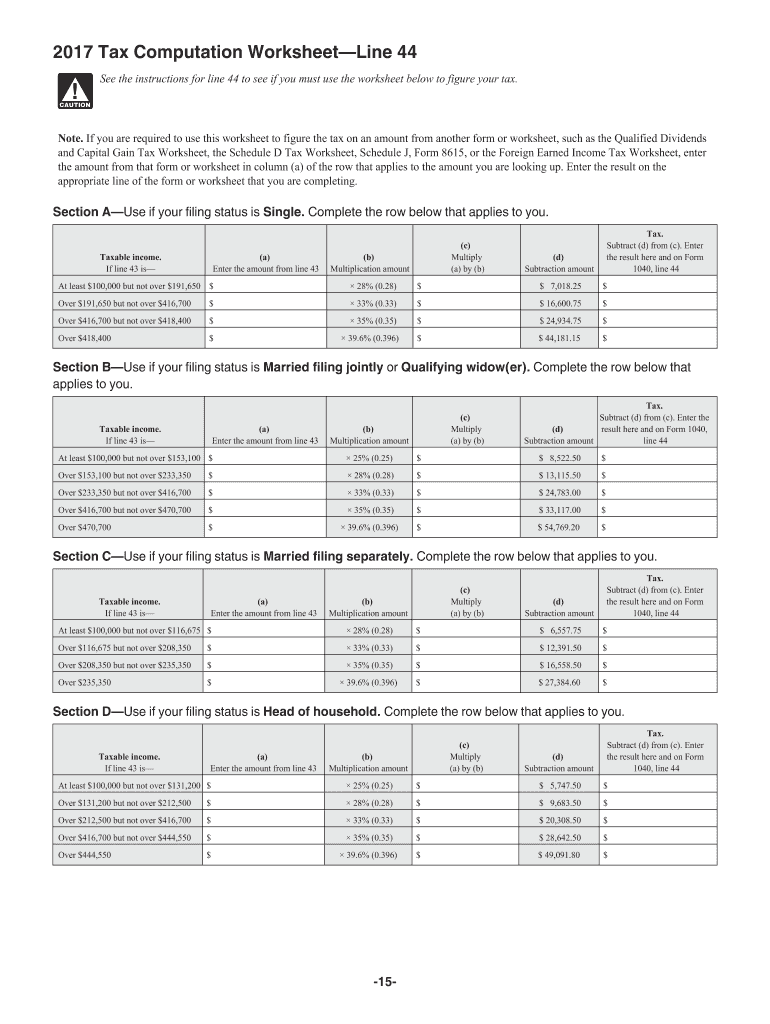







Definition and Meaning of the IRS 1040 Tax Table
The IRS 1040 tax table is a crucial tool that helps taxpayers calculate their federal income tax based on their taxable income and filing status. It is primarily used by individuals and households during the tax filing process to determine the exact amount of tax they owe. The tax table provides a detailed breakdown of income ranges and corresponding tax amounts. Taxpayers can use this table to ensure that their tax calculations are accurate, which is essential for filing their IRS tax return. Understanding how to use the IRS 1040 tax table effectively can simplify the tax filing process and reduce the likelihood of errors.
How to Use the IRS 1040 Tax Table
-
Determine Your Filing Status: Begin by identifying your filing status: Single, Married Filing Jointly, Married Filing Separately, or Head of Household. Your status will affect which section of the tax table you should reference.
-
Calculate Your Taxable Income: Find your total taxable income. This figure is your total income minus any deductions or exemptions you're eligible to claim.
-
Locate the Correct Income Range: Using your filing status and taxable income, find the appropriate range in the IRS 1040 tax table that aligns with your income level.
-
Identify the Tax Amount: Once you have found your income range on the table, look across to the corresponding tax amount listed.
-
Enter the Amount on Your Tax Return: Transfer the calculated tax amount from the table to line 16 of your IRS Form 1040.
By following these steps, taxpayers can ensure they are calculating their taxes accurately, which is vital for compliance with IRS requirements.
How to Obtain the IRS 1040 Tax Table
The IRS 1040 tax table can be accessed in several ways. This ensures that every taxpayer has the necessary tools to determine their tax obligations accurately:
-
IRS Website: The fastest and most reliable method is downloading the tax table directly from the official IRS website. The IRS typically publishes the table annually, and it is available for free.
-
Printed Forms: Taxpayers who prefer paper copies can request printed tax forms and the associated tax tables from the IRS by mail.
-
Tax Preparation Software: Many popular software options like TurboTax and QuickBooks include the IRS 1040 tax table within their platforms, allowing for automatic calculations.
Having easy access to the IRS 1040 tax table is essential for taxpayers to complete their filings accurately and efficiently.
Steps to Complete the IRS 1040 Tax Table
To efficiently complete the process using the IRS 1040 tax table, follow these detailed instructions:
-
Gather Your Documents: Collect all necessary paperwork, including W-2s, 1099s, and other income documents.
-
Calculate Gross Income: Sum up all sources of income to determine your gross income.
-
Adjust Income: Apply any allowable adjustments to income, such as student loan interest or IRA contributions, to obtain your adjusted gross income (AGI).
-
Claim Deductions: Choose to deduct either the standard deduction applicable to your filing status or itemize deductions if that results in a better tax position.
-
Determine Taxable Income: Subtract deductions from your adjusted gross income to find your taxable income.
-
Use the Tax Table: Refer to the appropriate row on the tax table for your filing status and taxable income to determine your tax liability.
-
Complete the IRS 1040 Form: Enter this tax figure on your Form 1040 and complete the rest of your return.
Each step is vital to ensure the accuracy of your tax calculations when using the IRS 1040 tax table.
Key Elements of the IRS 1040 Tax Table
The IRS 1040 tax table is composed of several critical elements that facilitate precise tax calculation:
-
Income Ranges: The table lists different income brackets, which help taxpayers identify where their income level fits.
-
Corresponding Tax Amounts: Tax amounts aligned with each income range provide the information needed to calculate taxes owed accurately.
-
Multiple Filing Statuses: The table is segmented by filing statuses, ensuring that taxpayers can apply the correct rates based on their specific circumstances.
These elements are integral to the tax table's functionality, allowing taxpayers to use it effectively during tax season.
Examples of Using the IRS 1040 Tax Table
Consider a scenario where a single taxpayer has a taxable income of $50,000. To calculate their tax:
- Locate the section of the tax table for Single filers.
- Find the appropriate income range that includes $50,000.
- Read across to find the corresponding tax amount.
For example, the table might show that an income of $50,000 results in a tax amount of $6,790. This would be the figure that the taxpayer would report on their IRS 1040 Form.
Such practical examples concretely illustrate how individuals should engage with the IRS 1040 tax table to complete their tax obligations.
IRS Guidelines for the 1040 Tax Table
The IRS provides specific guidelines on how to use the 1040 tax table effectively. These guidelines help taxpayers avoid common mistakes and ensure accurate tax filings:
-
Always Refer to Latest Tables: The IRS updates the tax tables annually, reflecting changing tax laws. Taxpayers should ensure they are using the most current version to prevent calculation errors.
-
Understand Filing Requirements: Be aware of the minimum income thresholds mandated by the IRS, which require you to file a return.
-
Review Changes in Tax Law: Stay informed about any changes in tax laws or rates that could impact your tax liability.
These guidelines serve as a beneficial resource for navigating the complexities of tax filing with the IRS 1040 tax table.
Filing Deadlines and Important Dates
It is important for taxpayers to be aware of significant deadlines and dates related to filing their returns:
-
Tax Filing Deadline: Generally occurs on April 15 of each year. If this date falls on a weekend or holiday, the deadline typically extends to the next business day.
-
Extensions: Taxpayers may file for an extension, usually granting an extra six months to complete their return, but it does not extend the deadline for paying owed taxes.
-
Quarterly Payments: Self-employed individuals or those with significant non-wage income should be mindful of estimated quarterly tax payment dates.
Adhering to these dates ensures compliance with IRS regulations and helps avoid penalties for late filing or payment.




