

Residential Rental Lease Application - Ohio 2026

Get Form
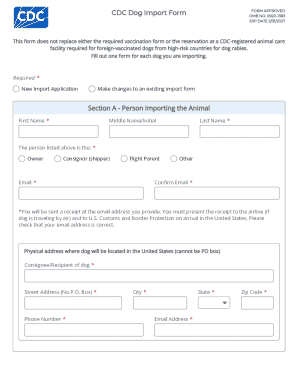
residential lease application Preview on Page 1

Here's how it works

01. Edit your residential lease application online
Type text, add images, blackout confidential details, add comments, highlights and more.
02. Sign it in a few clicks
Draw your signature, type it, upload its image, or use your mobile device as a signature pad.
03. Share your form with others
Send it via email, link, or fax. You can also download it, export it or print it out.

How to use or fill out Residential Rental Lease Application - Ohio with our platform

Form edit decoration
9.5
Ease of Setup
DocHub User Ratings on G2
9.0
Ease of Use
DocHub User Ratings on G2
  1. Click ‘Get Form’ to open the Residential Rental Lease Application - Ohio in the editor.
  2. Begin by filling in your personal information, including your name, current home phone number, and driver's license details. Ensure accuracy as this information is crucial for the landlord's review.
  3. Provide details about your employment, including your job title, monthly pay, and how long you have been at your current job. This section helps establish your financial stability.
  4. Complete the sections regarding any additional tenants, pets, and previous rental history. Be honest about past evictions or bankruptcies as this can impact your application.
  5. Review all entered information for completeness and accuracy. Remember that all applicants must sign the form before submission.

Start using our platform today to easily complete your Residential Rental Lease Application - Ohio for free!

be ready to get more

Complete this form in 5 minutes or less

Get form

Got questions?

We have answers to the most popular questions from our customers. If you can't find an answer to your question, please contact us.
Contact us
For U.S. students, the average undergraduate application fee is $48. 3 in 10 colleges report waiving application fees for students with financial need. College application fees depend on your school and school type.
Some red flags, like evictions or a low credit score, are obvious. Others are more subtle, requiring careful review by the landlord or property manager. Rental application red flags range from inconsistencies on the rental application to having an unrealistic move-in timeline.
Yes, landlords in Ohio can charge application fees. No state law caps these charges.
Landlords may not discriminate against tenants on the basis of race, religion, color, national origin, gender, familial status (having children under 18), or disability. In Ohio, ancestry and military status are also protected classes.
Following the steps below will increase your chances of passing a rental credit check. Review Your Credit Score and Report. Improve Your Credit Score. Prepare to Apply for the Property. Offer Advanced Payments. Get a Co-signer. Provide Strong Proof of Income. Offer a Good Explanation. Live With a Roommate.

People also ask

In Vermont and Massachusetts for instance, its illegal for landlords to charge an application fee. To make sure you arent being overcharged, be sure to check your local rental fee application laws that govern your specific state.
An Ohio lease agreement should include basic information such as: The names and contact information of both parties. A description of the property being rented. Rental terms and payment details. Security deposit and fees. Lease term and renewal options. The responsibilities and rules of both the landlord and tenant.
To get your apartment application fee waived, you can directly request a waiver from the landlord or property manager, especially if you are a strong applicant. Look for promotions, apply during open houses, or find listings from larger management companies that might not charge fees.

Related links