





Definition and Purpose of the NatWest Mandate Form
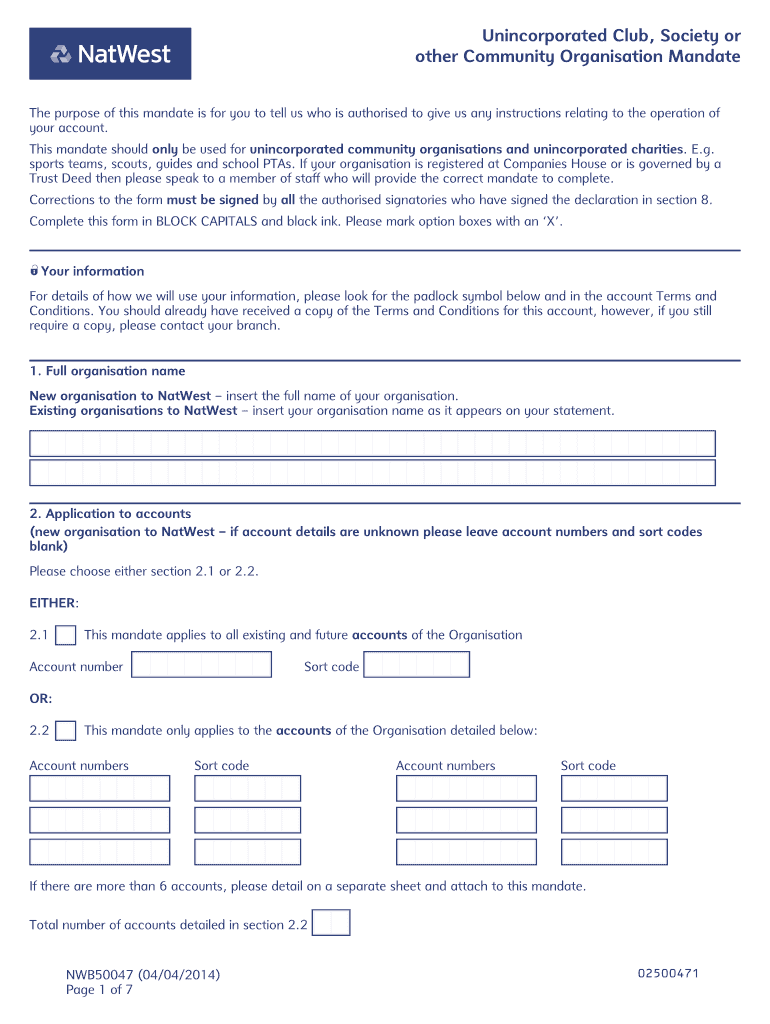
The NatWest mandate form is a crucial document for account holders who want to authorize specific individuals or organizations to manage their bank accounts on their behalf. This form provides a legal basis for a third party to access and operate the account, which is particularly useful for organizations, charities, clubs, and businesses needing to designate signatories. Understanding the definition and purpose of this form is vital for ensuring proper account management and compliance with bank regulations.
- Authorizing Signatories: This form allows account holders to designate individuals as signatories, enabling them to perform transactions, manage account operations, and make financial decisions.
- Flexibility: The mandate can be tailored to fit the needs of various organizations, including community groups and charities. The ability to modify or revoke authorization as circumstances change is an essential feature.
- Compliance: Proper use of the mandate form helps ensure that all transactions carried out by authorized individuals comply with legal and banking regulations.
Steps to Complete the NatWest Mandate Form
Filling out the NatWest mandate form accurately is paramount to avoid processing delays. Here are the detailed steps to ensure that the form is filled out correctly.
- Download the Form: Obtain the NatWest mandate form PDF from the NatWest website or through a direct request from your bank branch.
- Provide Account Details: Fill in the primary account holder's details, including account number, account type, and the name associated with the account.
- List Authorized Signatories:
- Include full names, addresses, and contact information for each authorized signatory.
- Specify their role or title within the organization if applicable.
- Set Permissions: Clearly outline the extent of financial authority granted to each signatory. This could range from signing cheques to accessing account statements.
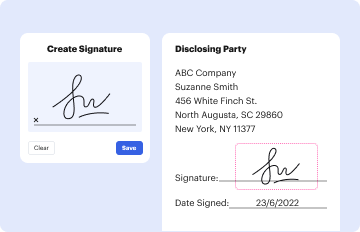
- Signature and Date: The primary account holder must sign and date the form. Ensure that the signature matches the one on file with the bank.
- Submission: Submit the completed mandate form to the bank via designated channels—whether in-person, by mail, or electronically, as applicable.
Important Considerations for Using the NatWest Mandate Form
When utilizing the NatWest mandate form, there are several key considerations that account holders should be aware of to ensure smooth operation and compliance.
- Revoking Authority: Any changes in signatory status, such as the need to revoke access, must be communicated promptly to NatWest in writing. This keeps the bank informed and protects against unauthorized access.
- Record-Keeping: Maintain copies of the mandate form and any correspondence with the bank about changes. This can be crucial in future disputes or when verifying signatory authority.
- Organizational Changes: Regularly review and update the mandate as necessary, especially during changes in organizational structure or leadership, to reflect current authorizations.
Legal Validity of the NatWest Mandate Form
The legal framework surrounding the NatWest mandate form establishes its binding nature once completed and submitted correctly.
- Compliance with Regulations: The mandate form is designed to comply with relevant banking laws, which means that it honors the legal rights of both the account holder and the authorized signatories.
- Binding Agreements: Once signed, the form operates as a binding agreement between the account holders and the bank, ensuring that only authorized individuals can execute transactions.
- Dispute Resolution: Should any disputes arise regarding transactions conducted under the authority granted by the mandate, the document will serve as essential evidence in legal proceedings or bank investigations.
Nullifying or Modifying the NatWest Mandate Form
Over time, account holders may need to modify or nullify the authorizations detailed in the NatWest mandate form.
- Amending the Mandate: If circumstances change, such as the resignation of a signatory, the existing mandate can be updated by filling out a new form that outlines the modifications.
- Complete Revocation: If the account holder decides to revoke all authorizations and nullify the mandate entirely, a written notice should be submitted to NatWest, along with any specific forms required for this process.
- Confirmation of Changes: Request confirmation from the bank once changes have been processed to maintain a clear record of authorization statuses.
Common Use Cases for the NatWest Mandate Form
The NatWest mandate form is versatile and widely utilized in various scenarios.
- Charities and Non-Profits: These organizations often require multiple signatories to manage funds, making the mandate essential for compliance and effective money management.
- Clubs and Societies: Similar to charities, clubs used the mandate to ensure that designated individuals can handle finances responsibly.
- Business Partnerships: For business partnerships or LLCs, the form helps clarify financial authority and manage bank transactions efficiently.
Understanding these common use cases can help account holders appreciate the importance of the NatWest mandate form and its role in effective financial management.