






Understanding the Commercial Lease Agreement in Ontario
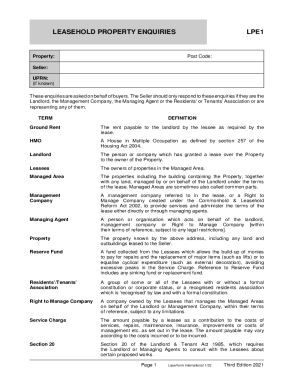
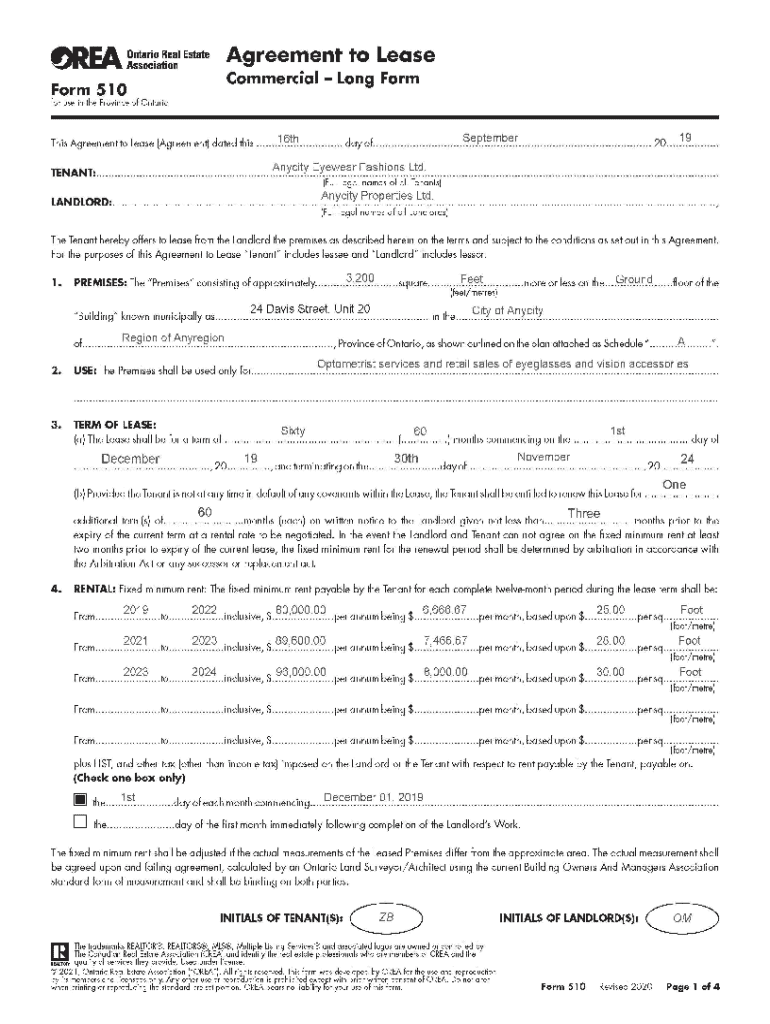
A commercial lease agreement in Ontario is a legally binding document between a landlord and a tenant, outlining the terms under which commercial premises will be rented. This document is essential for protecting the interests of both parties and establishing clear expectations regarding the use of the property. A typical lease agreement includes several critical components that are crucial for both landlords and tenants to understand.
Key Terms and Definitions
- Lease Term: This specifies the duration for which the lease is valid. It can range from several months to multiple years, depending on the agreement.
- Rental Payments: Often stipulated as monthly, quarterly, or annual payments, this section details the amount due and payment schedule.
- Security Deposit: A sum usually equivalent to one month's rent, this deposit covers potential damages or unpaid rent and is returned at the end of the lease, assuming no issues arise.
- Use of Premises: This section defines what the tenant can and cannot do within the property, including allowable business activities and any restrictions.
Important Components of the Agreement
In a standard commercial lease agreement in Ontario, several components must be explicitly outlined:
- Identification of Parties: Full legal names and contact details of both the landlord and tenant.
- Description of the Property: Comprehensive details about the location, size, and specific characteristics of the leased premises.
- Maintenance Responsibilities: Clearly defined obligations regarding repairs and upkeep, specifying who handles each aspect to avoid disputes later.
- Insurance Obligations: Requirements concerning insurance coverage that tenants must maintain during the lease term.
- Termination Conditions: Outlines the conditions under which either party can terminate the lease, including notice periods and grounds for termination.
Legal Considerations in Ontario
Landlords and tenants must be aware of the legal context governing commercial lease agreements in Ontario. The Commercial Tenancies Act regulates many aspects of commercial leases in the province, providing essential protections and frameworks for resolving disputes. Important legal considerations include:
- Rights to Renew: Many agreements include terms that allow tenants to renew their lease under specific conditions, ensuring continuity of their business.
- Eviction Process: The process for eviction must comply with the requirements set forth in the Tenant Protection Act, ensuring that tenants are afforded due process.
- Modification and Assignment: Agreements often stipulate under what circumstances a tenant can modify lease terms or sublet the space, protecting the landlord's interests while allowing for tenant flexibility.
Sample Commercial Lease Agreement Terms
A commercial lease agreement template in Ontario may include numerous clauses that address various scenarios:
- Base Rent vs. Additional Rent: A distinction between the basic rent for the space and additional charges such as maintenance fees, utilities, and property taxes.
- Permitted Use Clause: Outlines specifically what activities are allowed, which cannot be changed without consent from the landlord.
- Indemnity Clause: Specifies that tenants may need to indemnify the landlord against certain liabilities arising from their use of the premises, providing financial protection to the landlord.
Steps for Completing a Commercial Lease Agreement
When preparing to enter into a commercial lease agreement in Ontario, both parties should follow these steps:
- Review Applicable Laws: Familiarize yourself with the relevant statutes and regulations.
- Draft the Agreement: Clearly outline all terms and conditions, ensuring specificity to avoid ambiguities.
- Negotiate Terms: Engage in discussions over any contested clauses to reach a mutually agreeable contract.
- Sign the Document: Ensure both parties have signed the lease, and keep copies for record-keeping.
- File Necessary Documents: Depending on the lease type and obligations, further registration may be required with local authorities.
Practical Considerations and Examples
Real-world scenarios are invaluable for grasping the nuances of commercial lease agreements in Ontario. Here are a few practical examples:
- Retail Spaces: A clothing retailer may enter into a five-year lease with escalated rent during the term, reflecting the anticipated growth in business. The lease will specify maintenance responsibilities, typically assigning the cost of repairs to the landlord.
- Office Use: An established tech firm may negotiate a lease that allows for modifications to the office space, such as construction of additional meeting rooms. The lease might also require that the tenant carries specific levels of insurance to protect both parties.
- Industrial Spaces: A manufacturing company may seek a lease that includes access to loading docks and stipulates parameters around noise levels and operational hours to coexist with nearby tenants.
By comprehensively understanding the commercial lease agreement in Ontario, both landlords and tenants can establish clear, fair terms that facilitate successful business operations and minimize potential disputes. This knowledge fosters healthy landlord-tenant relationships and supports long-term business stability in the region.