






Understanding the Blood Glucose Monitoring Log Sheet
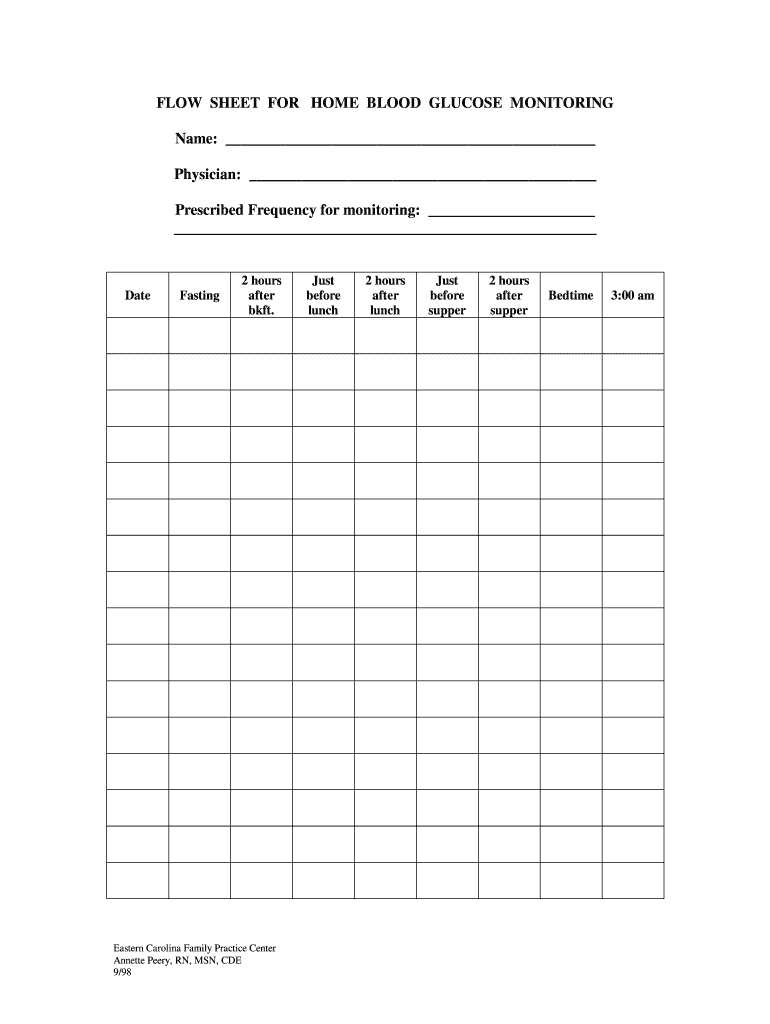
The blood glucose monitoring log sheet is a vital tool used by individuals managing diabetes or prediabetes. It serves as a means to track blood sugar levels over time, allowing users to identify patterns and make informed decisions regarding their health.
Components of the Blood Glucose Monitoring Log Sheet
A typical blood glucose monitoring log sheet includes several critical components that facilitate effective tracking:
-
Patient Information:
- Name, date of birth, and contact details.
- Medical history relevant to blood glucose levels.
-
Recording Frequency:
- Sections to note the specific times of day glucose levels are checked, commonly fasting, before meals, and after meals.
-
Glucose Level Entries:
- Designated spaces for entering measured blood glucose levels, typically in milligrams per deciliter (mg/dL).
-
Dietary Notes:
- Areas to log dietary intake, as food consumption can significantly affect blood glucose levels.
-
Medication Tracking:
- Sections to record medications taken, dosages, and times, which can influence glucose levels.
How to Effectively Use the Blood Glucose Monitoring Log Sheet
To maximize the utility of a blood glucose monitoring log sheet, consider the following steps:
-
Preparation:
- Gather necessary materials: a blood glucose meter, test strips, and a log sheet.
-
Establish a Routine:
- Check blood sugar levels consistently at the same times each day. This routine contributes to standardized data collection.
-
Record Data Accurately:
- After each blood glucose test, promptly enter the reading on the log sheet.
- Include related notes on meals consumed and medications administered to provide context for your glucose levels.
-
Review Trends:
- Regularly review the log to identify patterns, highs, and lows in blood glucose levels over time.
- Discuss findings with a healthcare provider for tailored advice and adjustments to management plans.
Importance of Blood Glucose Monitoring
Monitoring blood glucose is crucial for several reasons:
-
Prevent Complications:
- Regular tracking helps prevent complications associated with high or low blood sugar, including severe health issues like neuropathy, kidney failure, or vision loss.
-
Therapeutic Adjustments:
- Enables healthcare providers to make informed adjustments to medications and lifestyle recommendations based on logged data.
-
Empowerment:
- Encourages patients to take an active role in managing their diabetes, leading to better outcomes.
Best Practices for Recording Data
Consider the following best practices for maintaining an effective blood glucose monitoring log sheet:
-
Consistency is Key:
- Record glucose levels at the same time each day for the most accurate trend analysis.
-
Include Additional Notes:
- Add notes about exercise, stress levels, or illness, as these factors can impact blood glucose.
-
Utilize Color Coding:
- Employ color-coded entries to easily identify target ranges versus high and low readings.
Free Printable Versions and Templates
For practicality, users may choose to utilize a free printable blood glucose log sheet or a diabetic log book template. These templates are often available as PDFs and can provide convenience in tracking and maintaining a physical log.
Conclusion
The blood glucose monitoring log sheet is an essential aspect of diabetes management. Its structured format fosters accurate and comprehensive recording of blood glucose levels. By understanding its components, effectively using it, and adopting best practices, individuals can enhance their diabetes management and overall health.