






Definition and Meaning of MFR Army
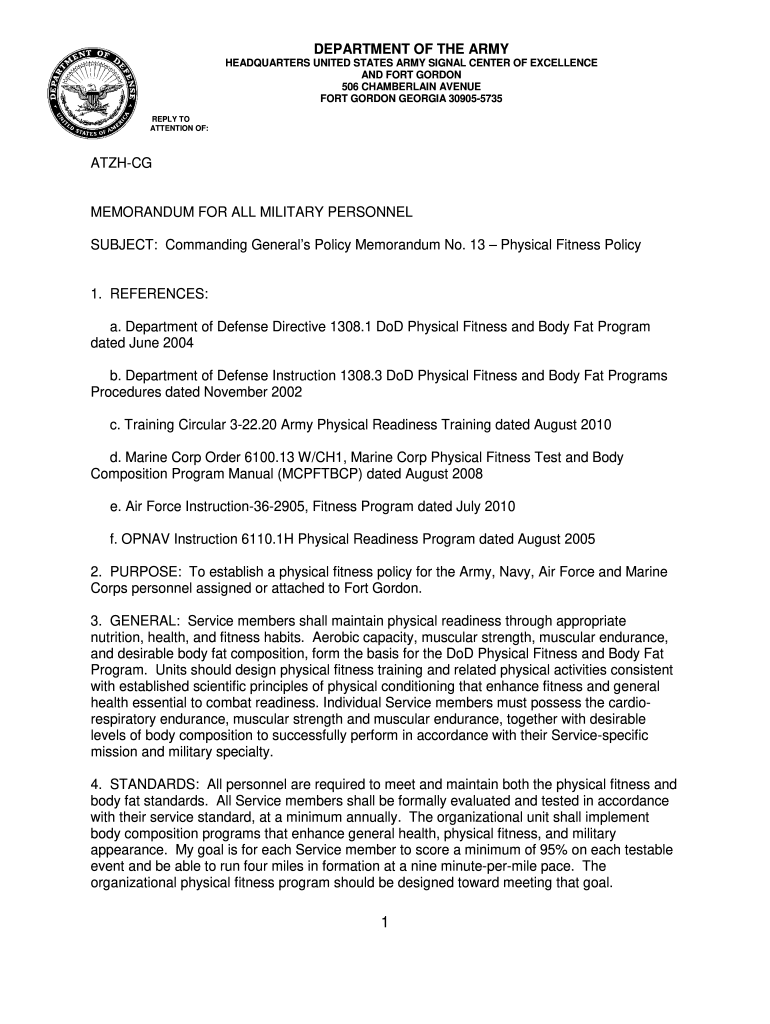
The term "MFR Army," which stands for Memorandum for Record within Army documentation, refers to a specific type of memorandum used by the U.S. Army to document events, decisions, or actions that may not require formal documentation but still need to be recorded. An MFR serves as a vital tool for communication within the military structure, ensuring that relevant information is clearly documented for future reference.
An MFR is often concise, focusing on key details such as the purpose of the memorandum, the date, involved parties, and a summary of the information or event being documented. While not as lengthy or detailed as a formal report, MFRs hold significant importance in the military context by providing clarity and accountability.
Key Characteristics:
- Provides a written record of events or decisions.
- Serves as a means to communicate important information succinctly.
- Ensures documentation of actions taken for accountability.
How to Use the MFR Army
Utilizing the MFR effectively involves understanding its structure and purpose. Here are the main steps for using an MFR in Army contexts:
-
Identify the Purpose: Define what needs to be documented. Common uses include recording meetings, decisions made, or actions taken.
-
Follow the Standard Format: The MFR should adhere to Army formatting guidelines. This includes appropriate headings, date, and signature blocks.
-
Detail Key Information: Clearly include the essential pieces of information:
- Subject of the memorandum
- Date and time of the event
- Attendees or involved units
- Summary of discussions or decisions made
-
Disseminate Appropriately: Share the MFR with relevant personnel or units, ensuring that those who need awareness of the documentation receive it.
-
Store for Future Reference: Maintain a secure record of the MFR for accountability and reference in future situations.
Example Usage Scenarios
- Documenting changes in duty assignments.
- Recording decisions made in command meetings.
- Notifying units of new operating procedures.
Steps to Complete the MFR Army
Completing an MFR requires attention to detail and adherence to the established format. Follow these steps for proper completion:
-
Header Information: Enter the "Memorandum for Record" title at the top of the document, followed by a subject line that summarizes the content.
-
Date: Include the date of writing or the date of the event being documented.
-
Introduction Paragraph: Provide a brief introduction that outlines the reason for the memorandum.
-
Body Content:
- Detail relevant events, decisions made, or information shared.
- Use bullet points to highlight key action items if necessary for clarity.
-
Conclusion: Summarize any follow-up actions or conclusions drawn from the meeting or event.
-
Signature: Sign the memorandum following Army protocols, including the name, rank, and position.
Example Template Structure
- Subject: Change of Duty Assignment
- Date: [Enter date]
- Introduction: This memorandum serves to document the changes in duty assignments effective immediately.
- Details:
- [List new assignments]
- [Specify effective dates]
Legal Use of the MFR Army
The MFR is recognized and utilized under Army regulations to document actions and decisions within military operations. Its legal standing stems from its role in providing accountability and a clear record.
Important Legal Considerations:
- Compliance with Army Regulations: MFRs should follow established formats and protocols as outlined in AR 25-50, which governs the management of Army publications and documents.
- Legitimacy of Documentation: An MFR can serve as legal documentation during investigations or audits, confirming that specific actions were taken or decisions were made.
Understanding Implications of MFR Use:
- Properly filed MFRs may protect individuals and units by providing a documented history of actions taken.
- Mismanagement or improper completion can lead to misunderstandings or accountability issues.
Key Elements of the MFR Army
Certain elements are critical for the effective construction of an MFR. Understanding these ensures that your memorandum meets the required standards.
Essential Components:
- Title: Clearly state "Memorandum for Record."
- Subject Line: A succinct description of the memorandum's content.
- Date: When the memorandum is written and/or the event took place.
- Introduction Section: A brief explanation of the purpose of the memorandum.
- Main Body: Detailed information, divided into clear sections or bullet points for ease of reading.
- Conclusion: Summary of any decisions or actions that need to be followed up.
- Signature Block: Author's name, rank, and title, ensuring all parties involved are accountable.
Including these elements ensures compliance with Army standards and maintains clarity for all involved parties.
Examples of Using the MFR Army
MFRs can be versatile in their application, often tailored to specific situations within Army operations. Here are some illustrative examples:
Common MFR Applications:
- Meeting Documentation: Recording discussions and outcomes from regular unit meetings to retain a history of decisions made.
- Operational Changes: Notifying units of changes in procedures or operational guidelines.
- Incident Reports: Documenting occurrences that may require formal follow-up, ensuring a record is available for investigation or review.
Specific Examples:
- Recording Training Events: An MFR documenting the results and participant feedback from an annual training exercise.
- Change of Command: An MFR noting the details of a change of command ceremony, including names of the outgoing and incoming officers.
These examples showcase the functional role of the MFR in keeping clear and accessible records within military operations.