



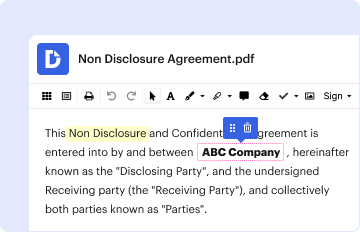
01. Edit your ama form online
Type text, add images, blackout confidential details, add comments, highlights and more.

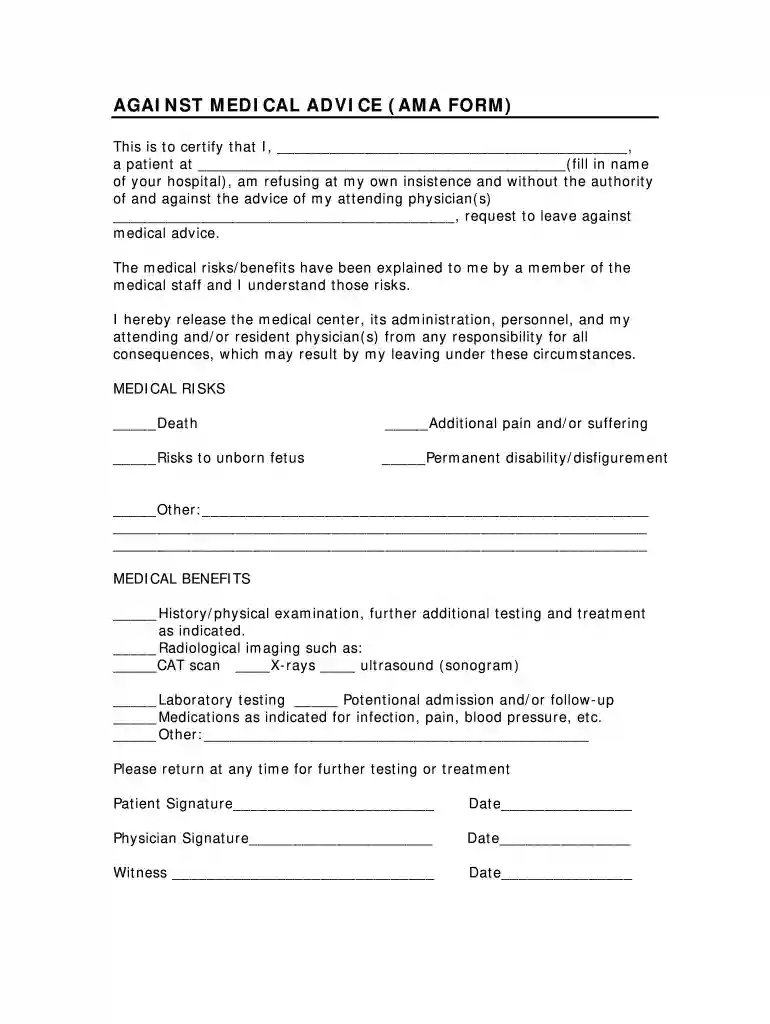
Type text, add images, blackout confidential details, add comments, highlights and more.
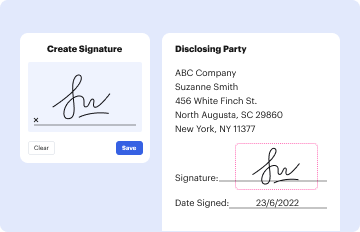
Draw your signature, type it, upload its image, or use your mobile device as a signature pad.

Send ama forms via email, link, or fax. You can also download it, export it or print it out.
The ama form, commonly referred to as the Against Medical Advice form, is a legal document used when a patient chooses to leave a healthcare facility despite a physician's recommendations to remain. This form primarily serves to inform the patient of the potential risks involved in their decision and protects the medical facility from liability resulting from the patient's departure.
The ama form plays a crucial role in documenting the patient’s decision-making process and ensuring that they are making an informed choice.
Completing the ama form involves several key steps to ensure that both the patient and the healthcare provider are protected legally.
Understand the Risks:
Obtain the Form:
Provide Necessary Information:
Review the Details:
Sign and Date the Form:
Receive a Copy:
Understanding the key components of the ama form is essential for both patients and medical personnel to ensure clarity and legal protection.
Patient Information: This section typically includes both personal and medical information.
Explicit Statement of Risks: The form outlines potential health risks related to the patient's condition if they choose to leave against medical advice.
Signature Lines: The form requires signatures from both the patient and the attending physician, indicating that the necessary discussions have taken place.
Witness Signatures: Some forms may require a witness signature to further validate the patient's decision.
Date and Time Stamp: Recording the date and time when the form is signed is critical for establishing timelines regarding the patient's care.
Having these elements clearly defined helps minimize misunderstandings and ensures that all parties are aware of their rights and responsibilities.
The legal framework surrounding the ama form is critical for its validity and enforcement. The use of this document is governed by both state and federal laws, which may vary depending on jurisdiction.
Compliance with State Laws: Each state may have specific regulations regarding how the ama form must be completed and executed. Healthcare facilities must adhere to these laws to protect themselves against legal repercussions.
Patient Autonomy: The form reinforces the principle of patient autonomy in healthcare, ensuring that individuals have the right to make decisions regarding their medical treatment, even when those decisions may not align with medical advice.
Documentation of Consent: The signed ama form acts as legal documentation that the patient has accepted responsibility for their health after leaving, which can be crucial if disputes arise regarding care after the fact.
Understanding the legal aspects of the ama form ensures that patients and healthcare providers engage in a transparent process that upholds individual rights while also protecting institutions.
Several individuals and entities utilize the ama form, each with unique needs and responsibilities in healthcare contexts.
Patients: Individuals who wish to leave a medical facility against their healthcare provider's advice. The form provides them with a means to formally document their choice.
Healthcare Providers: Physicians and nurses who need to ensure that patients acknowledge their decisions and the associated risks before they depart.
Medical Facilities: Hospitals and clinics use the ama form to protect themselves from potential liability claims that may arise from a patient leaving prematurely.
Legal Practitioners: Attorneys may reference the ama form in cases involving patient disputes or claims related to healthcare decisions and outcomes.
This diverse usage underlines the ama form's importance in facilitating clear communication and understanding between patients and healthcare professionals.


At DocHub, your data security is our priority. We follow HIPAA, SOC2, GDPR, and other standards, so you can work on your documents with confidence.
Please complete this form and click on the SUBMIT button at the bottom of the page. This will send the proposal to the Competition Department at AMA HQ.Read more
(iii) Have the Patient sign the AMA form. If the Patient refuses to sign, read the form to the Patient, make a specific notation of the Patients refusal toRead more
Includes three decision review options for disagreements with benefits decisions: Higher-Level Review; Supplemental Claim; Appeal to Board of Veterans Appeals.Read more


