



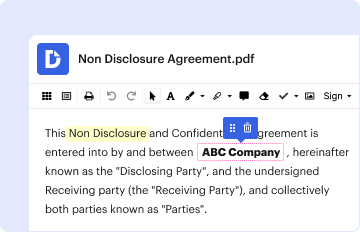
01. Edit your form it 203 online
Type text, add images, blackout confidential details, add comments, highlights and more.

Type text, add images, blackout confidential details, add comments, highlights and more.
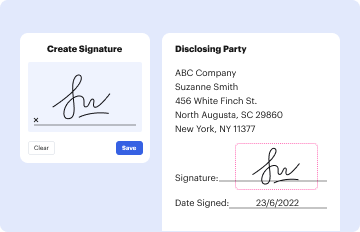
Draw your signature, type it, upload its image, or use your mobile device as a signature pad.

Send form it203 via email, link, or fax. You can also download it, export it or print it out.
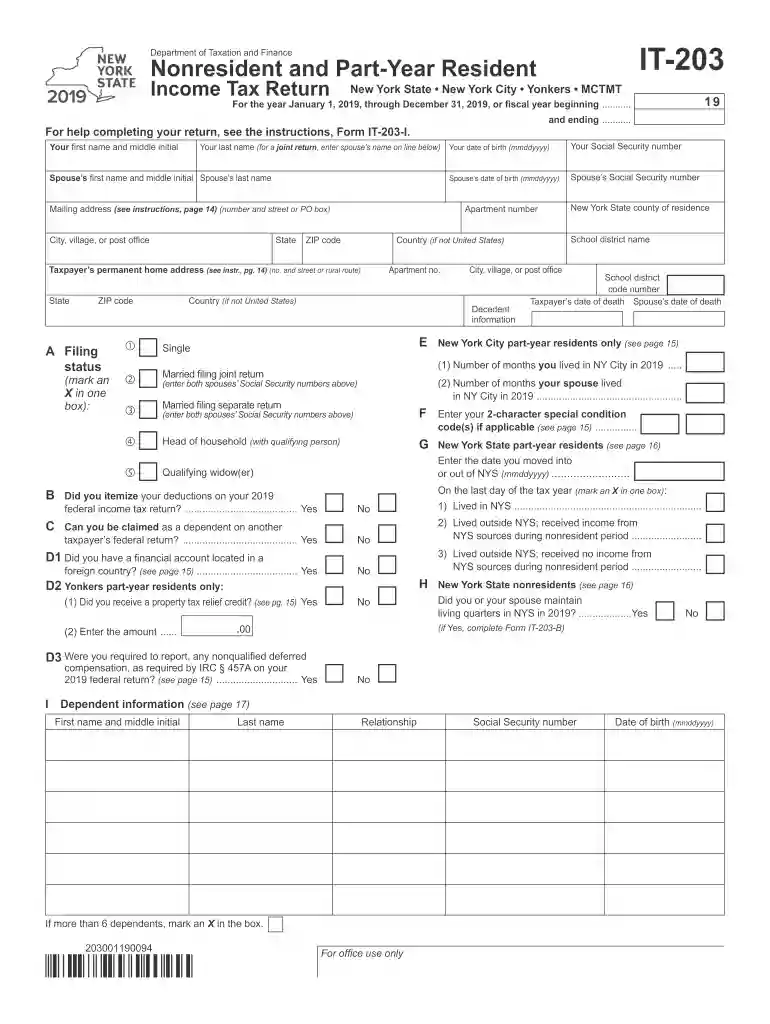
The IT-203 form, commonly referred to as the New York State Nonresident and Part-Year Resident Income Tax Return, is a document used by individuals who are either nonresidents or part-year residents of New York to report their income. This form is essential for calculating state tax obligations on income derived from New York sources. It encompasses various sections such as personal information, filing status, and income reporting to help taxpayers accurately determine their liabilities.
Individuals must use the IT-203 form to report all taxable income acquired from New York sources during the tax year. The form guides users through detailing their personal details, specifying their filing status, and enumerating various income streams. It is crucial to fill out each section carefully to ensure that all financial data is recorded accurately. Proper use of the form facilitates the calculation of any owed taxes or refunds due from the state.
Completing the IT-203 form involves several steps:
Gather Your Documents: Collect all relevant financial documents, including W-2s, 1099s, and any forms related to New York-source income.
Fill Out Personal Information: Enter your name, SSN, and address as per the documents.
Select Filing Status: Choose the appropriate filing status that applies to you based on your circumstances during the tax year.
Report Income: Enter details of all the income earned from New York sources in the respective sections.
Calculate Adjustments and Deductions: Determine any eligible deductions and modifications applicable to your New York income.
Review and Submit the Form: Double-check all entries for accuracy before submitting through the desired method.
This form is primarily used by individuals who do not reside full-time in New York but earn income from the state. These include:


To accurately complete the IT-203, the following documents may be required:
Having these documents ready ensures accurate completion and submission of the tax return.
The IT-203 form is accessible online through the New York State Department of Taxation and Finance website. Individuals can download it as a PDF for manual completion or fill it out electronically and print it. Those who prefer traditional methods may request a paper form from the tax department's office.
Form IT-203 must be filed by April 15th following the end of the tax year. If April 15th falls on a weekend or holiday, the deadline is extended to the next business day. Filing on time is crucial to avoid penalties and interest on any taxes owed.
Failure to file the IT-203 form or pay the due taxes may lead to penalties. The state may impose fines, interest charges, and further legal action for continued non-compliance. It's important to adhere to deadlines and ensure payments are made promptly to avoid these consequences.
We've got more versions of the form it 203 form. Select the right form it 203 version from the list and start editing it straight away!
| Versions | Form popularity | Fillable & printable |
|---|---|---|
| 2025 | 4.6 Satisfied (39 Votes) | |
| 2024 | 4.6 Satisfied (43 Votes) | |
| 2023 | 4.1 Satisfied (44 Votes) | |
| 2022 | 4.9 Satisfied (24 Votes) | |
| 2021 | 4.8 Satisfied (81 Votes) | |
| 2020 | 4.4 Satisfied (264 Votes) | |
| 2019 | 4.4 Satisfied (214 Votes) | |
| 2018 | 4.3 Satisfied (118 Votes) | |
| 2017 | 4.2 Satisfied (66 Votes) | |
| 2015 | 4.5 Satisfied (49 Votes) | |
| 2011 | 4.3 Satisfied (74 Votes) | |
| 2010 | 4 Satisfied (51 Votes) | |
| 2002 | 4 Satisfied (26 Votes) |
At DocHub, your data security is our priority. We follow HIPAA, SOC2, GDPR, and other standards, so you can work on your documents with confidence.
NY State: Form IT-203. International Student Services (ISS). Thompson Hall E125 State University of New York at Fredonia Fredonia, NY 14063. Contact. 716-673Read more
Jan 6, 2026 You may be eligible for Free File of your income tax return. Visit our website to find out if you meet the certain requirements.
by HW Sites 2000 Cited by 1 The objective of the geophysical investigation was to determine the topographic relief of the clay layer and whether it was continuous across the site. GPR wasRead more


