
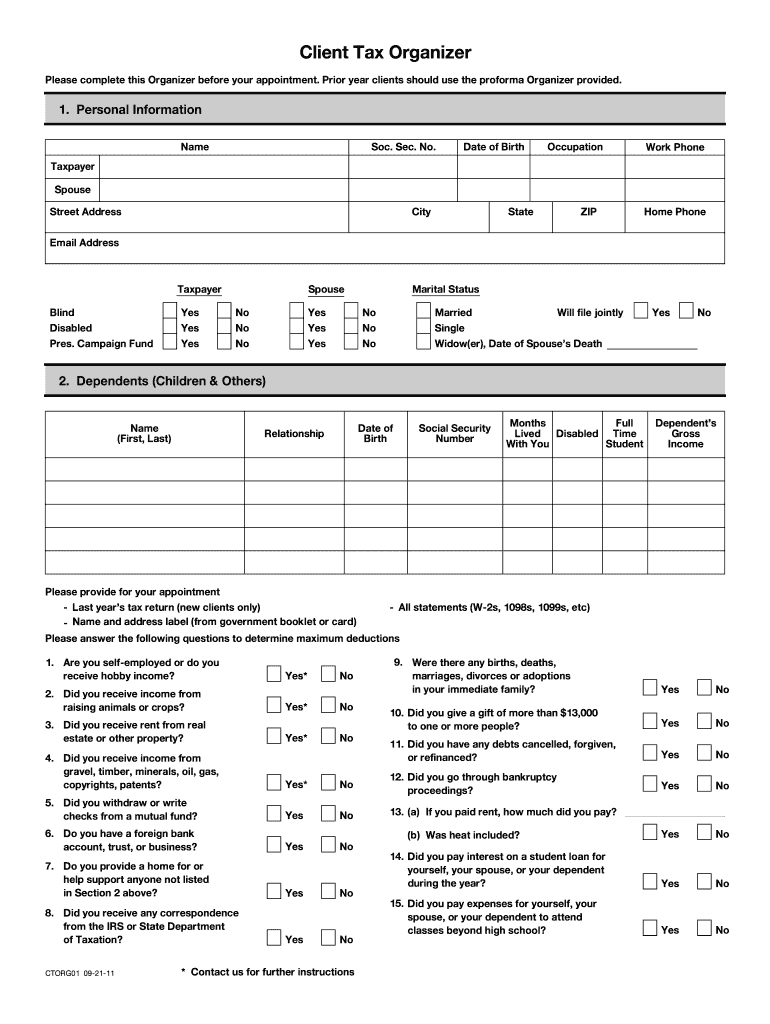




Here's how it works

01. Edit your tax organizer template online
Type text, add images, blackout confidential details, add comments, highlights and more.

02. Sign it in a few clicks
Draw your signature, type it, upload its image, or use your mobile device as a signature pad.

03. Share your form with others
Send tax organizer free via email, link, or fax. You can also download it, export it or print it out.
How to use or fill out tax organizer with our platform

- Click ‘Get Form’ to open the tax organizer in the editor.
- Begin by filling out the 'Personal Information' section. Enter your name, Social Security number, date of birth, occupation, and contact details for both taxpayer and spouse.
- Proceed to the 'Dependents' section. List each dependent's name, date of birth, relationship, and Social Security number. Ensure you provide accurate information for maximum deductions.
- Complete the 'Wage, Salary Income' section by attaching W-2 forms from your employers. Include any additional income sources in the relevant sections.
- Review all questions regarding self-employment, rental income, and other financial activities to ensure you capture all potential deductions.
- Finally, confirm your entries in the 'Direct Deposit of Refund' section if applicable. Provide bank details for a smooth refund process.
Start using our platform today to effortlessly complete your tax organizer online for free!
Fill out tax organizer online
It's free
It's free
Got questions?
We have answers to the most popular questions from our customers. If you can't find an answer to your question, please contact us.
Contact us
What does a tax organizer do?
Filing taxes each year can be daunting for clients who may not have an accurate understanding of what information or paperwork they need. A client organizer removes any guesswork; these handy forms break down for clients the essential information and documents they need to have for their tax-filing scenario.
What is the IRS 7 year rule?
The IRS 7-year rule primarily refers to the extended time (7 years from the returns due date) you have to claim a tax refund for losses from bad debts or worthless securities, but its also a common guideline for keeping general business records, especially for certain assets or expenses. For most tax records, the standard retention is 3 years, but it extends to 6 years for DocHub income underreporting (over 25%) and indefinitely for fraudulent returns or failure to file. Key Situations for the 7-Year Period: Bad Debt Deductions: If you lent money and it became uncollectible (not a gift), you have 7 years from the original return due date to claim a deduction and seek a refund. Worthless Securities: Similar to bad debts, losses from investments in stock or other securities that become worthless allow for a 7-year window to claim a loss and get a refund. General Recordkeeping: Many tax professionals advise keeping records for 7 years as a safe practice, especially for assets like rental properties or investments, to cover potential audits or claims related to their sale or disposal. Other Record Retention Periods: 3 Years: The general rule for most tax records (W-2s, 1099s, bank statements) from the date you filed your return or paid the tax, whichever is later. 6 Years: If you DocHubly underreport income (more than 25% of gross income) or fail to report foreign financial assets. Indefinitely: If you dont file a return or file a fraudulent return, records must be kept forever as the IRS can audit at any time. In summary, while the standard is often 3 years, the 7-year rule is a critical exception for bad debts, worthless securities, and a prudent standard for other long-term financial records. For financial advice, consult a professional. How long should I keep records? | Internal Revenue Service - IRS.govJun 29, 2025 Keep records for 3 years if situations (4), (5), and (6) below do not apply to you. Keep records for 3 years from the IRS (.gov)Topic no. 305, Recordkeeping | Internal Revenue Service - IRS.gov7 years - For filing a claim for credit or refund due to an overpayment resulting from a bad debt deduction or a loss from worthleIRS (.gov)
What is a fancy name for a tax preparer?
Common synonyms for a tax preparer include tax advisor, tax consultant, tax professional, tax specialist, CPA (Certified Public Accountant), or Enrolled Agent (EA), depending on their credentials, with broader terms like tax professional covering anyone paid to file, while titles like CPA or EA indicate specific federal recognition for representation. General Terms (Broad Applicability) tax advisor, tax consultant, tax professional, tax specialist, and tax expert. Credentialed Professionals (Specific Expertise) CPA (Certified Public Accountant): A licensed accountant with broad tax knowledge. Enrolled Agent (EA): Federally licensed by the IRS, specializing in tax law. Tax Attorney: A lawyer with specialized tax expertise, often handling complex cases. Choosing the Right Term The best word depends on the context; tax preparer is a broad term, but if the person holds specific credentials like CPA or EA, those titles signify a higher level of recognized expertise, especially for complex tax planning or IRS representation. AI can make mistakes, so double-check responsesWhat is another word for tax preparers? - WordHippoWordHippoCPA vs Enrolled Agent vs Tax Preparer Explained - TaxSlayer ProJun 9, 2025 CPAs and enrolled agents are both recognized as tax professionals and qualified to be tax preparers. However, the titleTaxSlayer Pro
What are the biggest tax mistakes people make?
The biggest tax mistakes involve simple errors like incorrect Social Security numbers or math, but also costly oversights like missing deductions/credits (Child Tax Credit, EITC), failing to report all income (especially side gigs or investments), incorrect filing status, and not signing forms, leading to processing delays or penalties; using e-filing and tax software helps catch these errors and ensures accuracy. Simple Data Entry Errors (Cause Delays) Incorrect Personal Info: Typos in names, Social Security numbers (SSNs), or bank account/routing numbers for direct deposit. Math Errors: Simple addition/subtraction mistakes on forms. Not Signing: An unsigned return is invalid. Filing Late: Missing deadlines results in penalties and interest. Costly Mistakes (Cost You Money) Missing Deductions Credits: Forgetting education credits, retirement contributions, or the Earned Income Tax Credit (EITC). Forgetting Income: Overlooking income from side jobs, investments (dividends, capital gains), or even taxable Social Security benefits. Wrong Filing Status: Choosing an incorrect filing status, like Head of Household, can cost you money. Not Paying Estimated Taxes: Self-employed individuals or those with DocHub investment income may need to pay quarterly. How to Avoid Them E-File: DocHubly reduces errors compared to paper filing. Use Tax Software: Guides you through the process and flags common issues. Gather Documents Early: Have all W-2s, 1099s, and receipts organized. Double-Check: Verify all personal, banking, and income figures. File an Extension if Needed: Gives time to file, but not to pay taxes owed. Keep Records: Save a copy of your filed return. For financial advice, consult a professional. Common tax return mistakes that can cost taxpayers | Internal Revenue ServiceIRS (.gov)6 Common Mistakes When Filing Taxes That are Easy to AvoidNov 2, 2025 forget to sign and date your return. not put enough postage on the envelope. send your tax return to the wrong IRS offiTurboTax
What skills are needed to be a tax preparer?
What Skills Do You Need as a Tax Preparer? Knowledge of tax law tax preparation process. Communication customer service. Organization. Attention to detail. Math and accounting. Marketing. Time Management. Oct 24, 2025
Security and compliance
At DocHub, your data security is our priority. We follow HIPAA, SOC2, GDPR, and other standards, so you can work on your documents with confidence.
Learn more


Related forms
STATE OF SOUTH DAKOTA - ujs.sd.gov
The document is an Order of Expungement issued by the Circuit Court of South Dakota, pertaining to a petitioner's reques ...

PDF EMS Certificate/Wallet Card Replacement Form
The document outlines the process for requesting a replacement EMS wallet card in Texas, including submission requiremen ...
Only nonimmigrant
The document is Form I-129CW, a petition for CNMI-Only Nonimmigrant Transitional Workers, used by employers to request t ...
New york tc income
The document is the Income and Expense Schedule for a hotel, TC208, issued by the Tax Commission of the City of New York ...

2021 3885
The document is the California Form 3885 for the taxable year 2021, which outlines the procedures for corporations to re ...
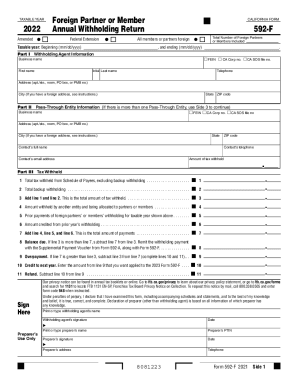
592 f
The document is the California Form 592-F for the 2022 taxable year, which is an annual withholding return for foreign p ...
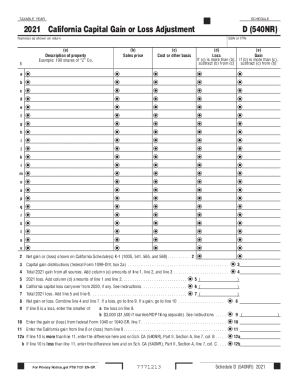
540nr schedule d
The document is a tax schedule for reporting capital gains or losses for the 2021 taxable year in California. It include ...

Ftb 3885a
The document is California Form 3885A for the taxable year 2021, used to report depreciation and amortization adjustment ...
People also ask
What is a tax organizer?
A tax organizer is a client-facing document to help with the collection and submission of client information necessary to prepare a tax return. The individual income tax return organizer should be used with the preparation of Form 1040, U.S. Individual Income Tax Return.Dec 14, 2024
What is the best way to organize your tax documents?
5 Simple Steps to Organize Your Tax Documents Before You File Gather Everything in One Place. Collect all relevant documents, including W-2s, 1099s, receipts, and statements for deductions or credits. Sort by Category. Check for Missing Documents. Create a Checklist. Keep Digital Copies. Dec 15, 2025
What is the average fee for a tax preparer?
Average Flat Rate for Tax Prep Services Nationally, the average flat rate for tax preparation often starts around $220 for a basic Form 1040 (standard deduction) and increases to about $323 for a Form 1040 with itemized deductions.


