




01. Edit your 2016 1065 online
Type text, add images, blackout confidential details, add comments, highlights and more.

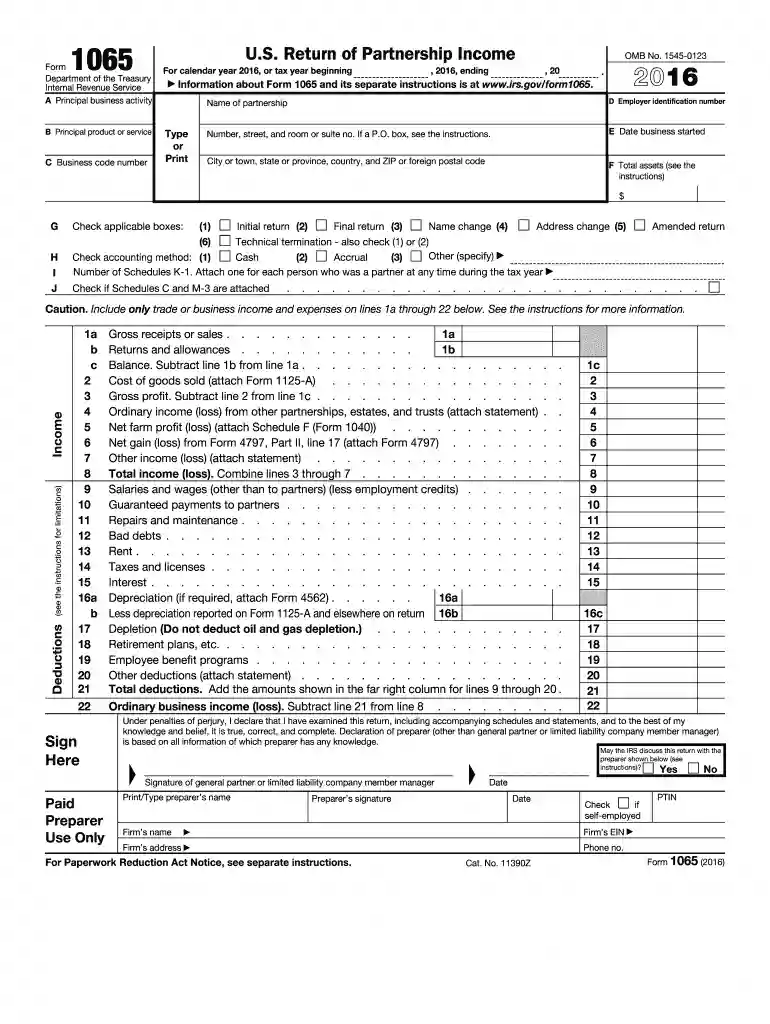
Type text, add images, blackout confidential details, add comments, highlights and more.

Draw your signature, type it, upload its image, or use your mobile device as a signature pad.

Send 2016 form 1065 via email, link, or fax. You can also download it, export it or print it out.
Form 1065, also known as the U.S. Return of Partnership Income, is a tax form used by partnerships to report their financial information to the Internal Revenue Service (IRS). This form allows partnerships to declare their income, deductions, gains, losses, and other relevant financial information for the tax year 2016. It's essential for ensuring that all partners of a business are accurately reporting their share of the partnership's profits or losses, as these are passed through to the partners based on their ownership share.
Completing Form 1065 involves several steps to ensure accurate financial reporting and compliance with IRS regulations. Partnerships must gather necessary financial documents, fill out the appropriate sections, and submit the form through the proper channels.
Securing the 1065 form for the year 2016 can be done through several avenues, each offering convenience based on individual preferences and needs.
Completing the Form 1065 accurately is crucial for proper tax reporting. Understanding the various sections and the information required can streamline this process.
To accurately fill out Form 1065, partnerships must compile an array of documents that bear relevance to their financial activities throughout the year.
Adherence to IRS guidelines is non-negotiable when dealing with Form 1065, as these rules ensure compliance and proper tax obligations are met.
Knowing the critical dates associated with Form 1065 can prevent late fees and ensure compliance with tax laws.
Failing to comply with IRS regulations concerning Form 1065 can result in significant penalties, making adherence crucial.
Providing comprehensive coverage on these blocks ensures partnerships have a thorough understanding of the 1065 form for 2016, facilitating accurate and efficient tax reporting.
We've got more versions of the 2016 1065 form. Select the right 2016 1065 version from the list and start editing it straight away!
| Versions | Form popularity | Fillable & printable |
|---|---|---|
| 2025 | 4.6 Satisfied (56 Votes) | |
| 2024 | 4.3 Satisfied (48 Votes) | |
| 2023 | 4.4 Satisfied (52 Votes) | |
| 2022 | 4.9 Satisfied (24 Votes) | |
| 2021 | 4.8 Satisfied (81 Votes) | |
| 2020 | 4.3 Satisfied (145 Votes) | |
| 2019 | 4.4 Satisfied (171 Votes) | |
| 2018 | 4.3 Satisfied (138 Votes) | |
| 2017 | 4.3 Satisfied (233 Votes) | |
| 2016 | 4.4 Satisfied (678 Votes) | |
| 2015 | 4.2 Satisfied (57 Votes) | |
| 2014 | 4.1 Satisfied (30 Votes) | |
| 2013 | 4.3 Satisfied (36 Votes) | |
| 2012 | 4.2 Satisfied (30 Votes) | |
| 2011 | 4 Satisfied (42 Votes) |
At DocHub, your data security is our priority. We follow HIPAA, SOC2, GDPR, and other standards, so you can work on your documents with confidence.
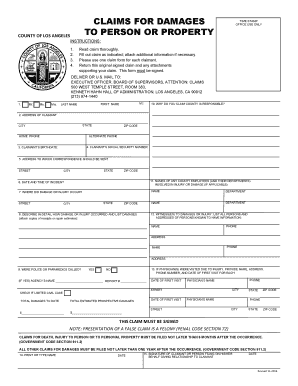




For calendar year 2016, or tax year beginning. , 2016, . 2016 ending. , 20. Department of the Treasury. Internal Revenue Service.Read more
Partnerships compute and report the filing fee on Form NJ-1065. DUE DATE. Returns are due on the 15th day of the fourth month after the end ofRead more
Aug 7, 2025 Revision Date 2016. Product Number Instruction 1065 Title Instructions for Form 1065, U.S. Return of Partnership Income, Revision Date 2015.Read more


