T tess evidence examples 2026

Get Form
how does the t tess crosswalk help a teacher Preview on Page 1

Here's how it works

01. Edit your how does the t tess crosswalk help a teacher online
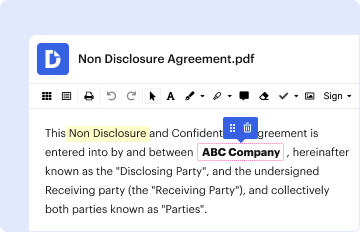
Type text, add images, blackout confidential details, add comments, highlights and more.
02. Sign it in a few clicks
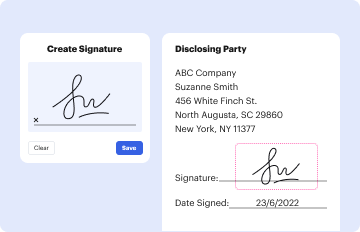
Draw your signature, type it, upload its image, or use your mobile device as a signature pad.
03. Share your form with others
Send how does the t tess crosswalk help a teacher how does it help an appraiser via email, link, or fax. You can also download it, export it or print it out.

How to use or fill out t tess evidence examples with our platform

Form edit decoration
9.5
Ease of Setup
DocHub User Ratings on G2
9.0
Ease of Use
DocHub User Ratings on G2
  1. Click ‘Get Form’ to open the t tess evidence examples in the editor.
  2. Begin by reviewing the 'Evidence Notes' section. This area is crucial for documenting observations related to instructional practices.
  3. In the 'Instruction' field, provide detailed notes on how the lesson was conducted, focusing on student engagement and teacher strategies.
  4. Next, rate each component of instruction using the provided scale. Be sure to justify your ratings with specific examples from your observations.
  5. Utilize the comment sections to elaborate on any noteworthy interactions or teaching methods that stood out during the lesson.
  6. Once all fields are completed, review your entries for clarity and accuracy before saving or sharing your document.

Start using our platform today to streamline your documentation process for free!

be ready to get more

Complete this form in 5 minutes or less

Get form

Got questions?

We have answers to the most popular questions from our customers. If you can't find an answer to your question, please contact us.
Contact us
Evidence of Goal Attainment Include specific assessment and evaluation processes, quantified successful outcomes, and requisites for success in each goal. Reflective journaling, lesson plans, meeting notes, student success data, and reports are essential to illustrate the success of your T-TESS goals.
10 Evidence-based instructional strategies for the classroom Assess prior knowledge. Clear learning goals. Show Tell. Group work. Check for understanding. Teach strategies. Nurture metacognition. Provide feedback.
Types of evidence of teaching effectiveness include: student evaluations; the assessments of faculty members based on class visitations or attendance at public lectures; departmental review of syllabi, exams, assignments, and other materials; the number and caliber of students mentored by the candidate; and the
Begin lessons with short reviews of previous learning. Present new material in small amounts; assist students as they practice this material. Ask many questions and observe student responses; questions allow students to connect new material with prior learning.
Evidence may include teacher observation, questioning, peer evaluation and self-evaluation, as well as more formalised assessment activities, such as: gathering a range of students work samples at various stages of an activity, including anecdotal records and students oral, written and multimedia work samples.