





Definition and Meaning of the CREB Residential Tenancy Agreement
The CREB (Calgary Real Estate Board) Residential Tenancy Agreement is a standardized legal document that outlines the terms and conditions governing the relationship between landlords and tenants in a residential rental context. This agreement provides a comprehensive framework that delineates the responsibilities and rights of both parties, ensuring clarity and protection under the law. It includes essential elements such as the duration of the lease, the rental amount, deposit requirements, and stipulations regarding the maintenance of property. The agreement is designed to comply with local rental laws and regulations, making it a vital resource for any landlord-tenant relationship in Alberta.
Key Characteristics
- Fixed-Term Lease: Typically structured for a specific duration, which can vary based on the agreement between landlord and tenant.
- Compliance: Adheres to the Residential Tenancies Act in Alberta, ensuring that both landlord and tenant understand their legal obligations.
- Detailed Provisions: Covers aspects such as utility responsibilities, maintenance obligations, and conditions for subletting.
Steps to Complete the CREB Residential Tenancy Agreement
Completing the CREB Residential Tenancy Agreement involves several important steps to ensure that both parties understand and agree to the terms outlined. Following a systematic approach can help mitigate misunderstandings and legal issues in the future.
Step-by-Step Process
- Draft the Agreement: Start with the CREB form, filling out details such as the names of the landlord and tenant, property address, and lease duration.
- Review Rental Terms: Carefully specify the rent amount, due date, payment methods, and any penalties for late payment.
- List Utilities and Other Responsibilities: Clearly indicate which utilities (e.g., water, gas, electricity) and maintenance tasks fall under the landlord's or tenant's responsibilities.
- Include Security Deposit Details: Outline the amount required for the security deposit and conditions for its return, in accordance with local laws.
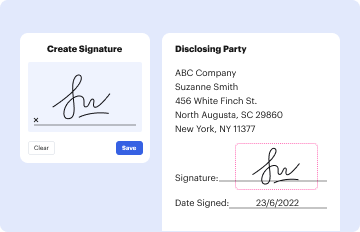
- Finalize Signatures: Once all sections are completed and understood, both parties should sign and date the document. This action signifies mutual consent to the terms.
Who Typically Uses the CREB Residential Tenancy Agreement
The CREB Residential Tenancy Agreement is predominantly utilized by landlords and tenants who are entering into a rental agreement for residential properties. However, various stakeholders may engage with this document based on their roles within the rental process.


Typical Users
- Landlords: Individuals or entities renting out residential property, seeking a clear framework for their rights and responsibilities.
- Tenants: Individuals who are renting a property and wish to ensure their rights are protected within the rental agreement.
- Property Managers: Professionals who manage rental properties on behalf of landlords may use this agreement to streamline tenant interactions.
- Real Estate Agents: Agents facilitating rental transactions may provide this agreement to ensure compliance with local laws.
Important Terms Related to the CREB Residential Tenancy Agreement
Understanding the key terms associated with the CREB Residential Tenancy Agreement is essential for effective navigation of rental agreements and their implications. These terms help clarify the responsibilities and expectations of both landlords and tenants.
Key Terms Explained
- Lease Term: The specific duration for which the rental agreement is valid, often described as a fixed-term lease or month-to-month arrangement.
- Security Deposit: An upfront payment held by the landlord to cover potential damages or unpaid rent during the lease term.
- Rent Payment: The agreed-upon amount the tenant must pay to the landlord on a specified schedule.
- Maintenance Obligations: Detailed responsibilities regarding property upkeep, which may vary depending on the agreement.
Legal Use of the CREB Residential Tenancy Agreement
The CREB Residential Tenancy Agreement serves as a legally binding contract between landlords and tenants in Alberta. This legal status ensures that both parties are held accountable to the terms they have agreed upon, as well as to the applicable laws governing residential tenancies.
Legal Considerations
- Compliance with Local Laws: The agreement incorporates the stipulations outlined in the Residential Tenancies Act, safeguarding both parties' legal rights.
- Enforcement: In the event of disputes, the agreement can be presented in court as a reference for the agreed-upon terms, aiding in legal resolutions.
- Amendments: Any changes to the original agreement must be documented and agreed upon by both parties in writing to maintain legal validity.
Key Elements of the CREB Residential Tenancy Agreement
A comprehensive understanding of the key elements included in the CREB Residential Tenancy Agreement is essential for both landlords and tenants. Each section plays a critical role in defining the working relationship between parties.
Critical Components
- Property Description: Defines the rental unit, including identifying details like address and any specific features.
- Lease Duration: Specifies the length of the rental term, with options for renewal or termination.
- Rent Details: Outlines the monthly rental amount, payment methods, and due dates.
- Rights and Responsibilities: Clarifies what is expected from both the landlord and tenant, promoting transparency.
- Termination Conditions: Specifies the procedure for ending the lease, including notice periods.
Examples of Using the CREB Residential Tenancy Agreement
Practical examples can illustrate how the CREB Residential Tenancy Agreement is implemented in real-world scenarios, emphasizing its importance.
Real-World Applications
- First-Time Landlords: A new landlord in Calgary uses the CREB Residential Tenancy Agreement to establish a clear rental process, ensuring compliance with local laws and protecting against potential disputes with tenants.
- Seasonal Rentals: An individual rents out a basement suite on a short-term basis. They utilize the agreement to clarify terms specific to a temporary arrangement, including security deposits and maintenance roles.
- Student Rentals: Parents renting a property for their child attending university ensure the lease agreement includes provisions for tenant behavior and property management, aiding in a smooth rental experience.
Summary of Required Documents and Submission Methods
The process of executing a CREB Residential Tenancy Agreement typically involves having the correct documentation and understanding the preferred submission methods.
Essential Documentation
- Identification: Proof of identity for both landlord and tenant, such as government-issued ID.
- Property Title: Verification of the landlord's ownership of the rental property.
- Rental Agreement Forms: The completed CREB forms including all necessary signatures.
Submission Methods
- In-Person: The agreement can be completed and signed in person, allowing for immediate clarification of terms.
- Digital Submission: Many landlords now facilitate electronic signing of tenancy agreements through platforms that support documents, ensuring expediency and convenience.