




Here's how it works
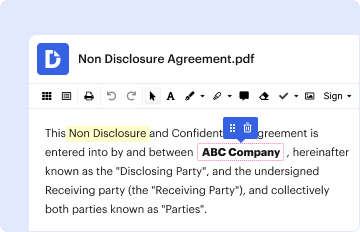
01. Edit your dochub com fillable form online
Type text, add images, blackout confidential details, add comments, highlights and more.
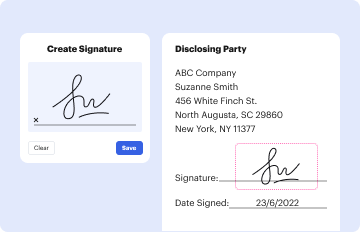
02. Sign it in a few clicks
Draw your signature, type it, upload its image, or use your mobile device as a signature pad.
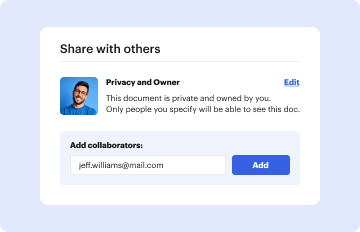
03. Share your form with others
Send trial brief template via email, link, or fax. You can also download it, export it or print it out.
How to use or fill out trial brief word template with our platform

- Click ‘Get Form’ to open the trial brief word template in the editor.
- Begin by filling in the court name and jurisdiction at the top of the document. This sets the context for your case.
- Insert the names of the plaintiff and defendant, along with their respective counsel's firm names and contact information. Ensure accuracy for proper identification.
- In the 'Introduction' section, provide a concise overview of your case, emphasizing key arguments regarding parental rights and due process.
- Fill out the 'Statement of the Case' with relevant facts leading up to your case. This should include any violations of due process that may have occurred.
- In the 'Argument' section, articulate your legal arguments clearly. Use citations from relevant laws and cases to support your position.
- Conclude with a strong summary in the 'Conclusion' section, reiterating your main points and urging for a favorable decision.
Start editing your trial brief today on our platform for free!
Fill out trial brief word template online
It's free
It's free
See more trial brief word template versions
We've got more versions of the trial brief word template form. Select the right trial brief word template version from the list and start editing it straight away!
| Versions | Form popularity | Fillable & printable |
|---|---|---|
| 2010 | 4.5 Satisfied (55 Votes) |
Got questions?
We have answers to the most popular questions from our customers. If you can't find an answer to your question, please contact us.
Contact us
What is the format for a legal brief?
Legal brief structure While there is no hard and fast rule about the structure of a brief, it should contain the following elements: Introduction to your position. Summary of the facts in the case. Arguments in support of your position with cited case law.
How to format a trial brief?
You will divide your argument into sections. Each section must have its own header. Your citations should also appear in the body of the Trial Brief. Use The Bluebook method of citation. Never use first person when writing. Focus on the parties, referring to them by name or using their titles, such as husband or wife.
How do I make a Word document look like a report?
Use Extended Type. Line and Paragraph Spacing. Use Contrasting Fonts and Sizes. Choose a Font that Fits the Context. Keep Font Sizes and Colors Standard. Keep Page Sizes and Margins Standard. Remember that Less Is More. Align All Paragraphs to the Left.
How to make a Word document look like a policy brief?
A summary and a list of key points up front. A clear structure with well signposted sections. Accessible language to ensure ease of reading: short sentences, use of common words. Avoid jargon.
How to create a legal brief in Word?
How to Format a Legal Document in Word Resize Your Document. Pick Your Fonts. Set the Line Spacing. Format Your Columns. Set Up Your Table of Contents. Create Your Table of Authorities. Automating Your Formatting. Creating a Style. Setting Up Autoformatting as You Type. A Note on Different Documents. Pleadings. Briefs. Manuscripts.
Security and compliance
At DocHub, your data security is our priority. We follow HIPAA, SOC2, GDPR, and other standards, so you can work on your documents with confidence.
Learn more


People also ask
How do I create a policy document in Word?
To create a policy document: Open a document using Microsoft Word. Set the title, heading and top-level sections to the Heading 1 style type. Set the subsection heading styles as Heading 2, Heading 3, and Heading 4. Create a multilevel listing. Click Home tab Numbering Change List Level.
How do I format a policy document?
Important Tips on Formatting Policies Use Similar Formatting. Set and Follow Best Practices. Use Standard Templates. Limit Policy Length. Use Succinct Language. Use Bullets and Lists. Link to Related Documents and Forms. Include a Glossary.