
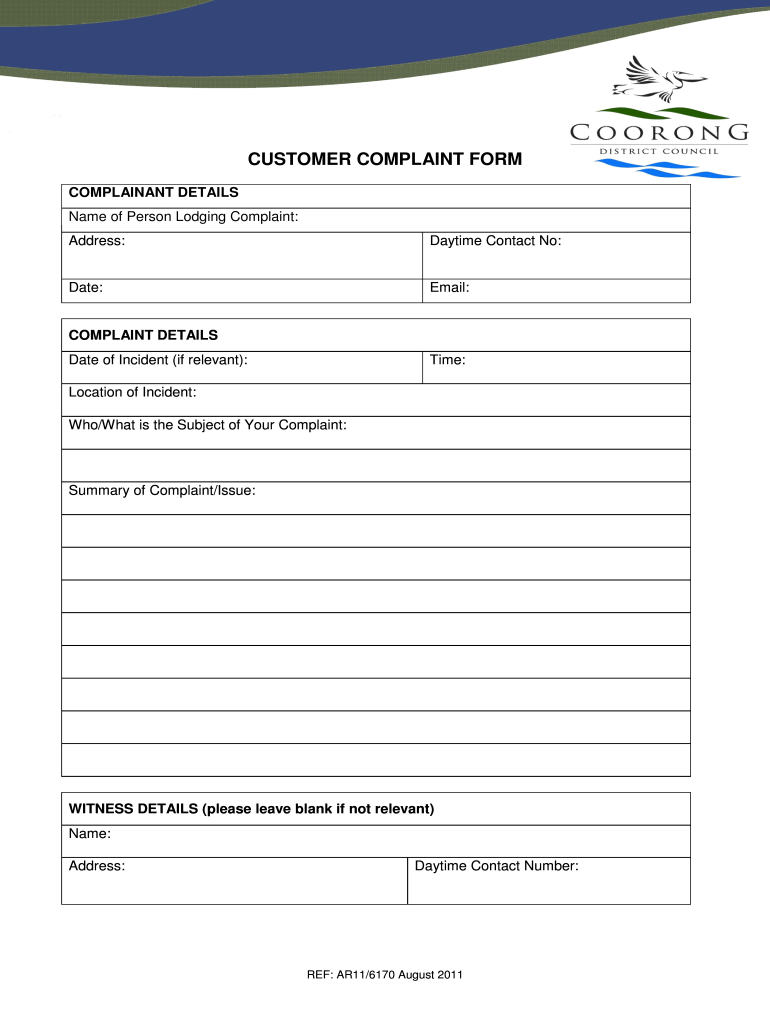







Understanding the Customer Complaint Form
A customer complaint form serves as a vital tool for businesses and organizations to collect feedback, address grievances, and improve overall service quality. This structured document enables customers to articulate their concerns clearly, which in turn facilitates effective communication and resolution between the organization and the consumer.
Purpose of a Customer Complaint Form
The primary objective of a customer complaint form is to:
- Capture Customer Feedback: It provides a systematic way for customers to express their dissatisfaction or issues with products or services.
- Document Issues: This form serves as an official record of customer complaints, which can be referenced for future analysis and improvement.
- Foster Communication: By encouraging customers to voice their concerns, organizations can better understand their clientele’s experiences and expectations.
Key Components of a Customer Complaint Form
To be effective, a customer complaint form should include several essential elements:
- Complainant Information: This section gathers personal details such as name, address, phone number, and email of the complainant. Collecting this information enhances the ability to follow up and resolve issues effectively.
- Description of the Complaint: Customers should provide a detailed description of their complaint. This should include specifics such as dates, locations, and the nature of the issue. This clarity helps the organization address the root cause rather than surface symptoms.
- Desired Outcome: Allowing customers to specify how they would like the issue resolved can help streamline the resolution process and set clear expectations.
- Witness Information (if applicable): In cases where other individuals were involved or witnessed the incident, capturing their details can be beneficial for a thorough investigation.
How to Complete a Customer Complaint Form
Completing a customer complaint form can be straightforward if customers follow these steps:
- Gather Information: Before starting, collect all necessary details related to the complaint, including receipts, correspondence, or any relevant documentation.
- Provide Personal Details: Fill out your name, contact information, and any other identifying details required by the form.
- Detail the Complaint: Write a clear and concise explanation of the issue. Include specific examples and relevant dates to give context.
- State Your Desired Outcome: Describe what resolution you hope to achieve through this process, whether it’s a refund, replacement, or another form of compensation.
- Review and Submit: Carefully check the completed form for accuracy before submitting it to ensure all information is correct and complete.
Legal Considerations for Customer Complaints
Organizations must be aware of legal implications related to customer complaints:
- Consumer Rights: Customers have the right to voice their grievances and seek redress. Compliant handling of complaints can mitigate potential legal challenges.
- Document Retention Policies: Businesses should maintain records of all complaint forms as part of their documentation protocols. This not only aids in addressing complaints but also protects against future disputes.
Utilizing Customer Complaint Forms for Improvement
Organizations can leverage the data collected from customer complaint forms to enhance their operations:
- Analyzing Trends: Regularly reviewing complaints can help identify recurring issues, which may indicate areas needing improvement.
- Training Opportunities: Customer feedback can highlight training needs for staff, helping to develop targeted customer service programs.
- Policy Revisions: Based on feedback, organizations may need to revise policies or procedures to prevent future complaints and enhance customer satisfaction.
Sample Customer Complaint Form Template
When creating or utilizing a customer complaint form, the following template provides an example of what to include:
-
Customer Information
- Name: ____________
- Address: ____________
- Phone Number: ____________
- Email: ____________
-
Complaint Details
- Date of Incident: ____________
- Description of Complaint: ____________
- Desired Outcome: ____________
-
Witness Information
- Name (if applicable): ____________
- Contact: ____________
Utilizing this structured approach enables businesses to better manage customer dissatisfaction and improve their overall service delivery.




