






Definition and Meaning of Toolbox Meeting Sheet
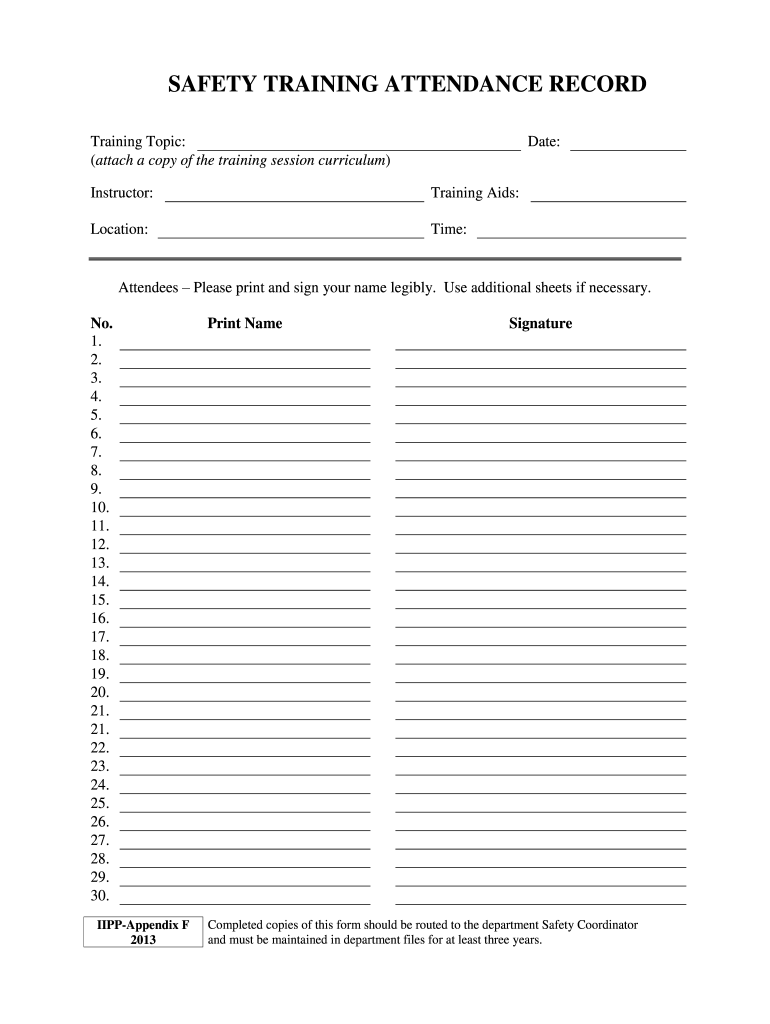
The toolbox meeting sheet is an essential document used primarily within workplace safety protocols to record attendance and participation in toolbox talks or safety meetings. These informal meetings are intended to educate employees about specific safety topics, hazards, and procedures relevant to their job site. The sheet typically contains several key elements, such as the date of the meeting, the subject or focus of the discussion, the names and signatures of attendees, and the name of the facilitator or instructor. This documentation serves not only as a record of compliance with workplace safety standards but also as a reminder of the organization's commitment to ongoing safety training and awareness.
Effective use of the toolbox meeting sheet contributes to a culture of safety within the workplace. By detailing who attended specific meetings, organizations can identify trends in employee engagement and safety awareness. Regular documentation reinforces the importance of workplace safety and helps ensure that all employees understand their responsibilities and potential hazards they may face.
Importance of toolbox meetings
- Promotes safety culture: Regular discussions about safety topics increase awareness and encourage proactive safety measures among employees.
- Document compliance: Organizations can demonstrate compliance with Occupational Safety and Health Administration (OSHA) regulations by maintaining thorough records.
- Identify training needs: Analyzing participation can help pinpoint areas where additional training may be required.
Key Elements of the Toolbox Meeting Sheet
Understanding the key components of the toolbox meeting sheet is crucial for proper utilization. These elements ensure comprehensive documentation and facilitate efficient safety management.
- Meeting Date: Records when the meeting took place, providing a timeline for safety training.
- Meeting Topic: Specifies the focus of the discussion, which could range from specific hazards to general safety practices.
- Attendee Information: Includes names and signatures of participants who were present, reinforcing their acknowledgment of the topics discussed.
- Facilitator Details: Identifies the person leading the meeting, accountable for delivering the relevant safety information.
- Action Items or Key Takeaways: Notes important points or required actions resulting from the meeting, ensuring that crucial information is recorded for future reference.
Each of these components plays a significant role in the overall effectiveness of workplace safety initiatives, helping organizations track and enhance their safety performance.
Steps to Complete the Toolbox Meeting Sheet
Completing the toolbox meeting sheet involves a structured approach that ensures all essential information is accurately recorded and effectively communicated to relevant parties.
- Select a date for the meeting: Choose a time that accommodates most team members and ensures maximum participation.
- Determine the focus topic: Identify a relevant safety issue or concern based on recent incidents, upcoming projects, or seasonal conditions to enhance meeting engagement.
- Gather attendees: Inform all team members about the meeting in advance and encourage their participation.
- Facilitator preparation: Ensure that the facilitator is knowledgeable about the topic and prepared to address questions or concerns from participants.
- Conduct the meeting: Engage attendees through open discussions, questions, and reflections on the subject matter. Utilize visual aids if necessary to enhance understanding.
- Complete the form: Following the meeting, fill out the toolbox meeting sheet with the meeting date, topic, attendee names, and signatures. Include any action items or key takeaways discussed during the session.
- Distribute and store the sheet: Provide copies to attendees and retain a copy for your organization's records. Submit the form to the appropriate department for compliance tracking.
By following these systematic steps, organizations can ensure an effective toolbox meeting while maintaining accurate documentation for future reference.
Legal Use of the Toolbox Meeting Sheet
The toolbox meeting sheet serves an essential role in workplace safety compliance, particularly as it relates to legal implications. Adhering to safety regulations set forth by the Occupational Safety and Health Administration (OSHA) requires organizations to engage their teams in safety discussions regularly.
- Documentation of safety training: Maintaining a comprehensive record of toolbox meetings demonstrates an organization's diligence in conducting safety training, which can be critical during OSHA inspections.
- Mitigating liability: If an incident were to occur on-site, having documented evidence of safety meetings reinforces an organization's commitment to safety and demonstrates compliance with legal obligations.
- Compliance with state regulations: Various states may have specific requirements regarding workplace safety training and documentation. Organizations need to be aware of and adhere to these regulations and keep the toolbox meeting sheet as part of their records to show compliance.
Employing the toolbox meeting sheet legally protects organizations and demonstrates responsible management of workplace safety.
Who Typically Uses the Toolbox Meeting Sheet
Various personnel within organizations can benefit from the toolbox meeting sheet, making it a versatile component of workplace safety initiatives.
- Safety Coordinators: Responsible for organizing safety meetings and ensuring regulatory compliance, often relying on the sheet for tracking attendance and topics discussed.
- Supervisors and Managers: Use the information documented in the sheet to gauge team engagement and identify areas requiring further training and improvement.
- Employees: A sign-in sheet encourages active participation in safety discussions, fostering awareness and accountability among team members for workplace safety practices.
- Compliance Officers: These individuals can utilize the sheet to verify ongoing safety training practices and ensure adherence to state and federal regulations.
By involving various personnel in the use of the toolbox meeting sheet, organizations can create a collaborative atmosphere that fosters a strong culture of safety.