



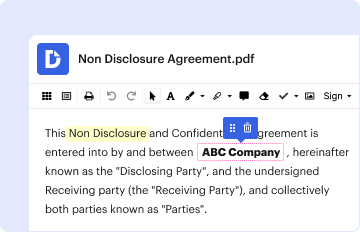
01. Edit your form b wage register in excel format download online
Type text, add images, blackout confidential details, add comments, highlights and more.

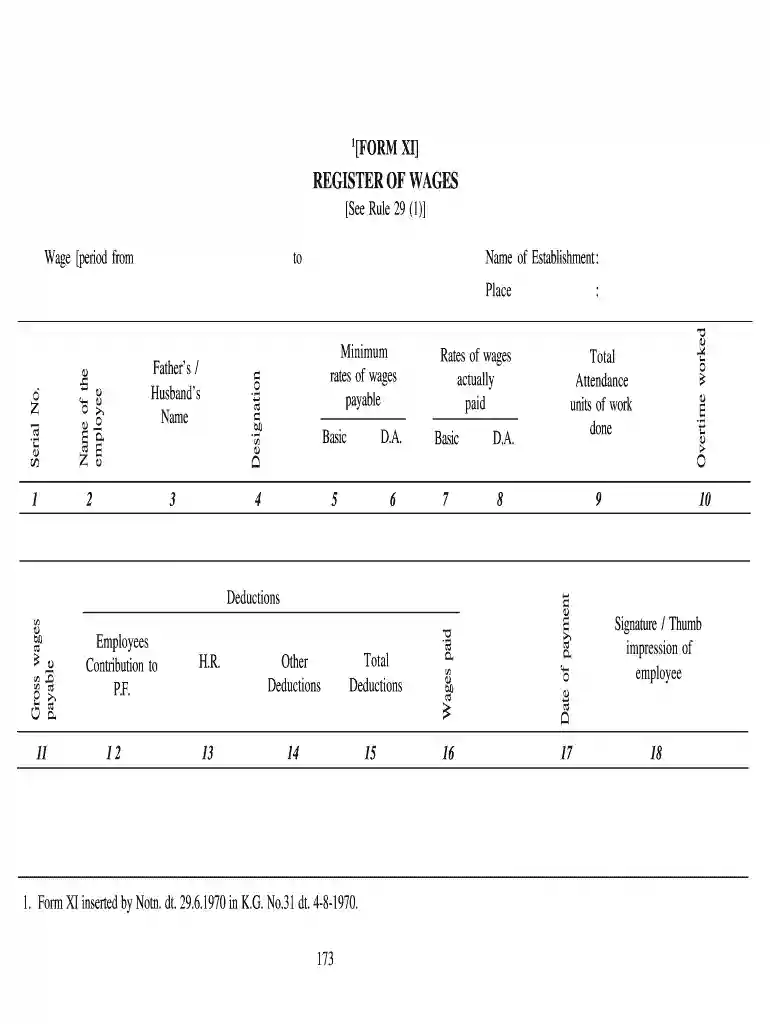
Type text, add images, blackout confidential details, add comments, highlights and more.
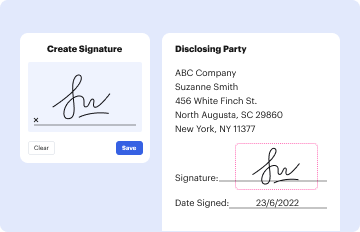
Draw your signature, type it, upload its image, or use your mobile device as a signature pad.

Send wages register form b in excel format via email, link, or fax. You can also download it, export it or print it out.
The Form B wage register in Excel format is a crucial document used primarily to record and maintain detailed accounts of employee wages within an organization. This register is particularly essential for businesses to ensure compliance with labor laws and regulations related to wage payments. The format captures vital information such as:
This comprehensive record is not only essential for payroll processing but also for audits and compliance with the Fair Labor Standards Act (FLSA). It ensures that businesses can easily provide evidence of wage payments during inspections or inquiries from labor authorities.
Filling out the Form B wage register in Excel format involves several clear steps to ensure accuracy and completeness:
Download the Template: Obtain a blank Form B wage register template in Excel format. This can often be found on various official government or payroll service websites.
Input Basic Information: Fill in the establishment name and contact details at the top of the register. This ensures all records are attributed to the correct organization.
Enter Employee Details:
Specify Wage Rates:
Document Deductions: List any deductions for each employee. This may include withholding taxes, retirement contributions, and other withholdings that affect take-home pay.
Track Attendance: Incorporate columns to record attendance or hours worked for each pay period. This will facilitate accurate wage calculations.
Record Payment Dates: At the end of each pay period, enter the payment date to reflect when wages were disbursed.
Save and Back Up: Regularly save the document and consider backing it up to a cloud storage service, ensuring the register is secure and accessible.
By following these specified steps, employers can maintain an accurate and compliant wage register that withstands regulatory scrutiny.
The Form B wage register in Excel format is utilized by a variety of entities, predominantly within the payroll and human resources sectors. Typical users include:
Employers and HR Professionals: Responsible for managing employee wages and ensuring compliance with labor laws. They need to keep precise records for payroll processing and audits.
Payroll Services: Third-party organizations that handle payroll management often utilize this format for efficient data entry and processing.
Accounting Professionals: Accountants utilize the wage register for preparing financial statements, tax filings, and to verify payroll expenses.
Business Owners: Small and medium-sized business owners often take on the payroll responsibilities themselves and rely on this format to keep track of their employees’ wage details.
This register not only aids in internal record-keeping but also ensures that these entities are compliant with regulatory bodies by providing easily accessible records.


Understanding key terminologies associated with the Form B wage register can enhance the efficiency of its use as well as ensure compliance. Some important terms include:
Gross Wages: This refers to the total earnings before any deductions, which includes salary, overtime, and bonuses.
Net Wages: The amount employees take home after all deductions have been made from gross wages.
Deductions: Any amounts subtracted from an employee’s gross pay, which might include taxes, insurance premiums, and retirement contributions.
Fair Labor Standards Act (FLSA): A federal law that establishes minimum wage, overtime pay, and youth employment standards.
Compliance: Adhering to laws, regulations, and guidelines related to wage payments.
Being familiar with these terms is essential for accurately filling out and maintaining the Form B wage register in Excel format, thus preventing potential legal issues related to wage reporting.
Both digital and paper versions of the Form B wage register have their unique advantages and considerations, influencing how businesses choose to maintain their records.
Digital formats like the Excel version of the Form B wage register are increasingly favored due to their efficiency and ability to simplify the payroll process. Ultimately, the choice between paper and digital will depend on the business size, resources, and technological aptitude.
If you frequently deal with documents kept in your Google Drive, DocHub is a perfect option for you to easily and quickly fill out, modify, and sign them. This editor integrates well with Google apps, so you can export your form b wage register in excel format from your Google Drive to the editor without downloading and re-uploading it. Right-click on your file, choose Open With → DocHub PDF Sign and Edit. In our editor, add and assign Signature Fields for all parties involved, then click on the Menu option above → Send → choose how you want to share your paperwork.
If your go-to electronic mail service is Gmail, you can easily incorporate your DocHub editor in your work. Modify your wages register format in excel free download with DocHub tools and connect it to your drafts in Gmail. See how effortless it can be to exchange documents and collaborate with a swift PDF editing solution at hand.
At DocHub, your data security is our priority. We follow HIPAA, SOC2, GDPR, and other standards, so you can work on your documents with confidence.
The Missouri and spreadsheet format allows an employer to supply wage information. These formats may not be accepted in other states. ConsolidatedRead more
Oct 5, 2018 SHORT TITLE; TABLE OF CONTENTS. (a) SHORT TITLE.This Act may be cited as the FAA Reauthor- ization Act of 2018. (b) TABLE OF CONTENTSRead more


