



Definition and Meaning of Release of Liability Mortgage
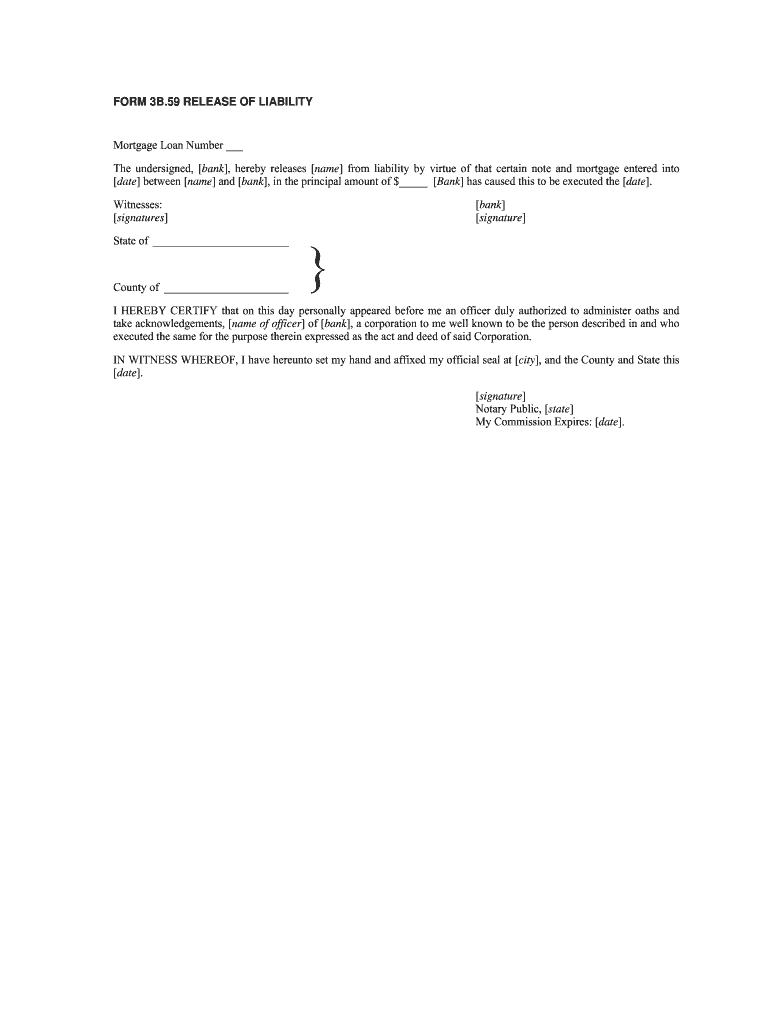
A release of liability mortgage form is a legal document that alleviates a borrower from the responsibilities associated with a mortgage loan. This form is particularly important when a party wants to transfer their mortgage obligations to another person or when real estate is sold, effectively releasing the original borrower from further liability. It ensures that the remaining parties involved in the mortgage are now solely responsible for making payments and meeting all obligations tied to the loan agreement.
When completed and signed, a release of liability mortgage form helps provide peace of mind for individuals going through life changes, such as divorce or the sale of a property. In such cases, this document typically outlines critical details, including the original mortgage loan number, the names of all involved parties, and the specific terms of the release.
Steps to Complete the Release of Liability Mortgage
To effectively complete a release of liability mortgage, parties must follow several key steps. Adhering to these steps can help ensure the legality and efficacy of the release process.
-
Review the Mortgage Agreement: Before filling out a release of liability form, it is crucial to revisit the original mortgage agreement to understand any obligations that need to be met.
-
Gather Required Information: Collect all necessary information, including:
- Original mortgage loan number
- Names and addresses of all parties involved
- Details of the property associated with the mortgage
-
Complete the Release Form: Accurately fill out the release of liability mortgage form. Ensure that all names and details are correct to prevent any complications later.
-
Obtain Signatures: All parties involved must sign the document for it to be valid. These signatures confirm that everyone agrees to the terms outlined within the form.
-
Notarization: To enhance the document's legal standing, consider having it notarized. This next step may not be strictly necessary in all states, but it adds an extra layer of validation.
-
Submit the Form: Finally, submit the completed form as per state regulations, which often require filing with the local county recorder or land office.
Why Should You Consider a Release of Liability Mortgage
Releasing one’s liability under a mortgage can be essential for various reasons. Understanding these motivations can help individuals determine if this option is right for them.
-
Divorce Settlements: In cases of divorce, one party may need to remove themselves from the mortgage to allow the other party to maintain possession of the property. A release of liability ensures that the departing spouse is no longer financially accountable for the mortgage.
-
Selling Property: When selling a property, initiating a release of liability mortgage allows the seller to transfer the loan obligation to the buyer, preventing any future financial responsibility tied to the mortgage.
-
Co-Borrowers: If multiple parties are on a mortgage, one lender may want to be released from liability. A proper release can facilitate responsibility transfer smoothly.
-
Financial Stability: Individuals facing financial difficulty may wish to alleviate their debt burden associated with a mortgage. Completing this form can be a necessary step towards regaining financial control.
Important Terms Related to Release of Liability Mortgage
Understanding key terminology is vital when discussing a release of liability mortgage. Familiarity with these terms can help simplify the process and clarify responsibilities.
-
Mortgage Holder: The lender who issued the mortgage and is typically the entity to whom the loan payments are made.
-
Co-borrower: An individual who signs a mortgage agreement with another person and shares the mortgage obligation.
-
Deed of Trust: A document that secures the loan with the property, granting the lender rights should the borrower default.
-
Loan Assumption: A process where a buyer takes over the seller’s mortgage and becomes responsible for the remaining balance.
-
Quitclaim Deed: A legal instrument that transfers interest in a property from one party to another without guaranteeing that the transferor has good title.
Who Typically Uses the Release of Liability Mortgage
Various groups of individuals might find a release of liability mortgage applicable in their situations. Identifying these demographics can help in understanding the common uses of such a form.
-
Divorcees: Individuals going through a divorce often find it necessary to use a release of liability to remove themselves from joint mortgage obligations.
-
Home Sellers: Those selling their property to buyers who will assume the mortgage can utilize this form to ensure they are no longer liable for repayments.
-
Co-Borrowers: Co-borrowers wishing to remove themselves from a shared mortgage may seek a release when they no longer want to be accountable for the mortgage payment.
-
Investors: Real estate investors looking to offload properties while ensuring that they aren’t burdened with residual liability can benefit from this process.


Legal Use of the Release of Liability Mortgage
The legal framework surrounding the release of liability for mortgages is crucial for ensuring compliance with regulations. Understanding these legal considerations can mitigate potential issues arising from improper handling of the document.
-
State Laws: Different states have distinct requirements regarding the use and processing of release of liability mortgage forms. Research specific state laws to ensure adherence.
-
Lender Approval: Often, lenders must approve the release before it can take effect, especially in situations where the mortgage is being assumed by a new party.
-
Documentation: Required documentation should include the signed release of liability mortgage form, any pertinent correspondence with the lender, and potentially, a notice of consent from the involved parties.
-
Record Keeping: It is crucial to maintain copies of all completed documents and communications with all parties involved, as these records may be needed for future reference or legal matters.
Key Elements of the Release of Liability Mortgage
When drafting or reviewing a release of liability mortgage, specific key elements must be included to ensure its efficacy and legality. Understanding these components can help in creating a robust document that meets all requirements.
-
Parties Involved: Clearly state the names and addresses of all individuals releasing and assuming liability, ensuring accuracy to prevent legal issues.
-
Loan Information: Include the mortgage loan number and any reference numbers to confirm the associated debt clearly.
-
Property Description: Detail the property that secured the loan to provide context and prevent ambiguity.
-
Effective Date: Specify the date when the release takes effect, indicating from which point the original borrower is no longer liable.
-
Signatures: Ensure all parties provide their signatures and date the document to validate their consent and agreement.