



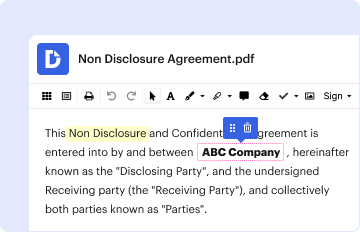
01. Edit your 2018 federal tax forms online
Type text, add images, blackout confidential details, add comments, highlights and more.

Type text, add images, blackout confidential details, add comments, highlights and more.
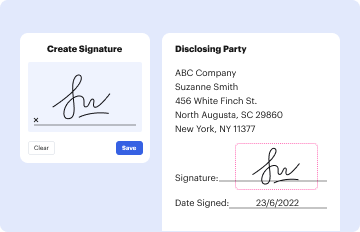
Draw your signature, type it, upload its image, or use your mobile device as a signature pad.

Send irs form 940 for 2018 via email, link, or fax. You can also download it, export it or print it out.
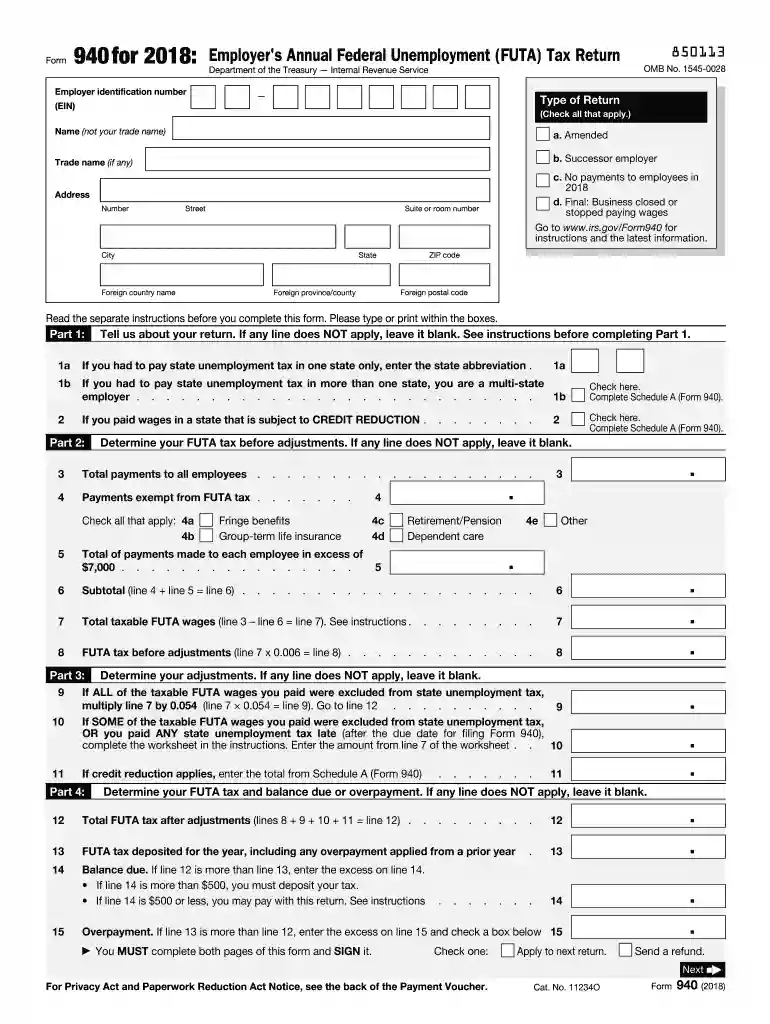
Form 940, officially known as the Employer's Annual Federal Unemployment (FUTA) Tax Return, is utilized by businesses to report their FUTA tax liability to the Internal Revenue Service (IRS). The primary purpose of this form is to calculate the amount of unemployment tax owed by employers based on wages paid during a given year. This tax contributes to the federal fund that provides unemployment benefits to eligible workers. Understanding this form is essential for any business owner obligated to contribute to unemployment insurance taxes.
Employers must provide several critical pieces of information on Form 940, such as:
Acquiring Form 940 for the year 2017 can be done through multiple channels. Employers can download a digital copy directly from the IRS website, ensuring they have the latest version and instructions. Alternatively, hard copies are available by request from the IRS, or through tax preparation software platforms like TurboTax or QuickBooks if using their services for tax calculations.
Filling out Form 940 accurately is crucial. Follow these steps to complete it properly:
The IRS provides detailed instructions for completing Form 940, clarifying how to handle specific situations such as adjustments for multi-state employment or changes in credit reductions. It's critical to follow these guidelines carefully to avoid errors. The IRS site provides both general guidance and specialized information tailored to unique scenarios.
For the 2017 Form 940, the due date was January 31, 2018. It’s important to adhere to this deadline to avoid late filing penalties. If any tax was owed, timely payment ensured no additional charges were incurred. Employers should mark their calendars to file annually by January 31 for future tax years, regardless of whether or not payments are required.
Requesting an extension for filing typically requires thorough documentation and a valid reason. Additional penalties may apply for late payment, so it's advisable to ensure timely submission of both form and owed taxes.
Failing to submit Form 940 on time or providing inaccurate information can result in penalties. The IRS may impose fines, interests on unpaid taxes, or both if there are discrepancies in the amounts reported versus the amounts owed.
Form 940 can be filed electronically or by mail. E-filing is typically faster and often preferred for ease of processing and immediate confirmation of receipt by the IRS.
Many businesses use software tools like QuickBooks, TurboTax or other prominent tax preparation programs to simplify the filing process for Form 940. These systems offer a convenient way to manage, calculate, and submit tax data directly online.
We've got more versions of the 2018 federal tax forms form. Select the right 2018 federal tax forms version from the list and start editing it straight away!
| Versions | Form popularity | Fillable & printable |
|---|---|---|
| 2025 | 4.6 Satisfied (51 Votes) | |
| 2024 | 4.5 Satisfied (59 Votes) | |
| 2023 | 4.1 Satisfied (47 Votes) | |
| 2022 | 4.5 Satisfied (23 Votes) | |
| 2021 | 4.8 Satisfied (91 Votes) | |
| 2020 | 4.4 Satisfied (177 Votes) | |
| 2019 | 4.4 Satisfied (191 Votes) | |
| 2018 | 4.2 Satisfied (140 Votes) | |
| 2017 | 4.4 Satisfied (124 Votes) | |
| 2016 | 4.4 Satisfied (645 Votes) | |
| 2015 | 4 Satisfied (33 Votes) | |
| 2014 | 4 Satisfied (22 Votes) | |
| 2014 | 4.5 Satisfied (29 Votes) | |
| 2013 | 4.4 Satisfied (52 Votes) | |
| 2012 | 4.4 Satisfied (45 Votes) |
At DocHub, your data security is our priority. We follow HIPAA, SOC2, GDPR, and other standards, so you can work on your documents with confidence.




Withholding tax forms now contain a 1D barcode. Please use Microsoft Edge browser to get the best results when downloading a form. Firefox users will need toRead more
File this schedule with. Form 940. Place an X in the box of EVERY state in which you had to pay state unemployment tax this year. For each stateRead more
To avoid a penalty, make your payment with your 2017. Form 940 only if your FUTA tax for the fourth quarter. (plus any undeposited amounts from earlier quarters)Read more


