


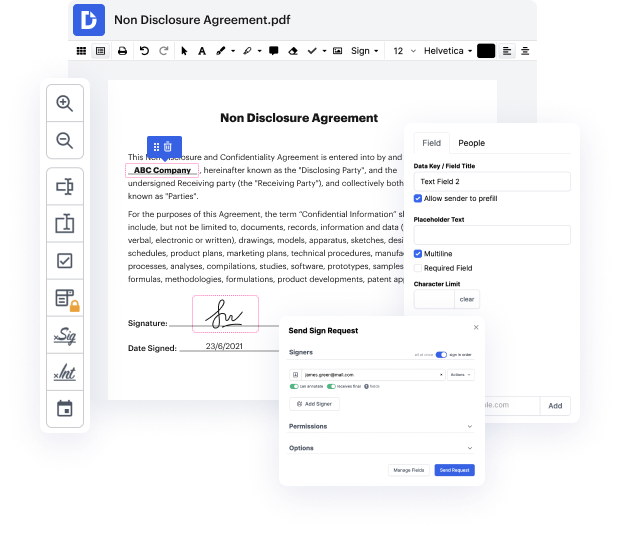
Editing DITA is fast and simple using DocHub. Skip installing software to your laptop or computer and make alterations using our drag and drop document editor in a few fast steps. DocHub is more than just a PDF editor. Users praise it for its ease of use and powerful features that you can use on desktop and mobile devices. You can annotate documents, create fillable forms, use eSignatures, and email documents for completion to other people. All of this, combined with a competitive cost, makes DocHub the perfect decision to blot name in DITA files effortlessly.
Make your next tasks even easier by converting your documents into reusable templates. Don't worry about the safety of your data, as we securely keep them in the DocHub cloud.


in this video we will learn about the structural differences between data maps and book Maps we will be using oxygen XML editor version 17 on a PC in author view letamp;#39;s start by looking at a sample data map in the editor window here we can see the standard components of the data map structure the map element the title element and a hierarchy of topic ref elements including first level topic references inside the map ele element and nested topic references inside of other topic ref elements we can also see how the topic meta element can be used to define metadata for our map and its individual elements how the map ref element can be used to link to another data map in this case a glossery and how the rail table element can be used to add a relationship table to our map now letamp;#39;s look at the same content this time structured in a book map right away we see a few key differences in a book map the title is stored in the main book title element which lives inside the book tit