
Create your Wisconsin Tenant Law from scratch

Start Building Now
Title decoration

Here's how it works

01. Start with a blank Wisconsin Tenant Law
Open the blank document in the editor, set the document view, and add extra pages if applicable.
02. Add and configure fillable fields
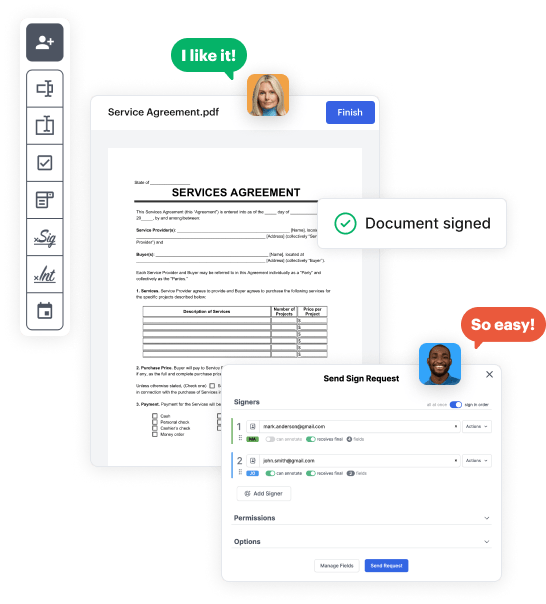
Use the top toolbar to insert fields like text and signature boxes, radio buttons, checkboxes, and more. Assign users to fields.
03. Distribute your form
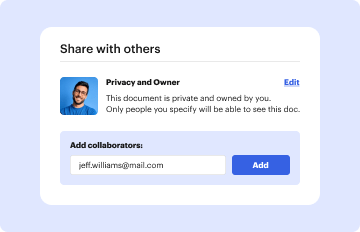
Share your Wisconsin Tenant Law in seconds via email or a link. You can also download it, export it, or print it out.

Craft Wisconsin Tenant Law from scratch with these detailed guidelines

Form edit decoration

Step 1: Start off by launching DocHub.

Begin by setting up a free DocHub account using any available sign-up method. Simply log in if you already have one.

Step 2: Sign up for a free 30-day trial.

Try out the whole set of DocHub's advanced features by signing up for a free 30-day trial of the Pro plan and proceed to build your Wisconsin Tenant Law.

Step 3: Build a new empty doc.

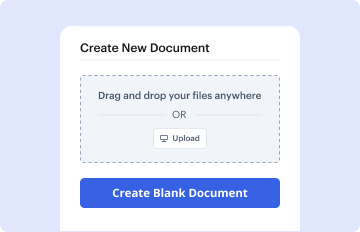
In your dashboard, click the New Document button > scroll down and hit Create Blank Document. You’ll be taken to the editor.

Step 4: Organize the document’s layout.

Utilize the Page Controls icon indicated by the arrow to switch between different page views and layouts for more flexibility.

Step 5: Start inserting fields to create the dynamic Wisconsin Tenant Law.

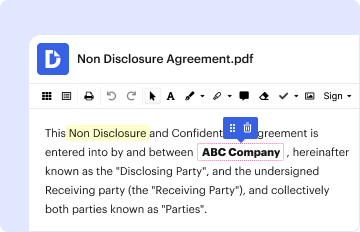
Navigate through the top toolbar to place document fields. Insert and arrange text boxes, the signature block (if applicable), add photos, and other elements.

Step 6: Prepare and configure the incorporated fields.

Organize the fillable areas you incorporated based on your chosen layout. Adjust each field's size, font, and alignment to make sure the form is user-friendly and neat-looking.

Step 7: Finalize and share your template.

Save the ready-to-go copy in DocHub or in platforms like Google Drive or Dropbox, or craft a new Wisconsin Tenant Law. Share your form via email or utilize a public link to reach more people.


be ready to get more

Build your Wisconsin Tenant Law in minutes

Start creating now

Got questions?

We have answers to the most popular questions from our customers. If you can't find an answer to your question, please contact us.
Contact us
704.17 Notice terminating tenancies for failure to pay rent or other bdocHub by tenant. 704.19 Notice necessary to terminate periodic tenancies and tenancies at will. 704.21 Manner of giving notice.
704.27 Damages for failure of tenant to vacate at end of lease or after notice.
Steps to Add a Tenant to an Existing Lease Acquire a Written Request to Add a Tenant. Check the Units Occupancy Limit. Require a Completed Rental Application. Screen and Approve/Deny the New Tenant. Review the Details With Each Tenant.
If the landlord wishes to end a month-to-month tenancy but does not have legal cause to do so, then the landlord must give the tenant a 28-day notice to vacate. This notice will inform the tenant that the tenancy will terminate in 28 days and the tenant must move out of the rental unit by that time (see Wis. Stat. Ann.
Code ATCP 134.08(10) provides a lease is void and unenforceable if it allows the landlord to terminate the tenancy of a tenant for a crime committed in relation to the rental property and the rental agreement does not include the Notice of Domestic Abuse Protections.
be ready to get more

Build your Wisconsin Tenant Law in minutes

Start creating now

Related Q&A to Wisconsin Tenant Law

If a tenant remains in possession without consent of the tenants landlord after termination of the tenants tenancy, the landlord may in every case proceed in any manner permitted by law to remove the tenant and recover damages for such holding over.
The landlord may not confiscate your personal belongings, turn off your utilities, lock you out of your apartment, or use force to remove you. If the small claims court judge rules in the landlords favor, the judge may issue a court order requiring you to leave the property.
The Wisconsin Department of Agriculture, Trade and Consumer Protection (DATCP) requires all lodging facilities in Wisconsin to hold a current license. If you are furnishing short-term lodging, you should apply for a sellers permit here: .

Additional resources on building your forms


