
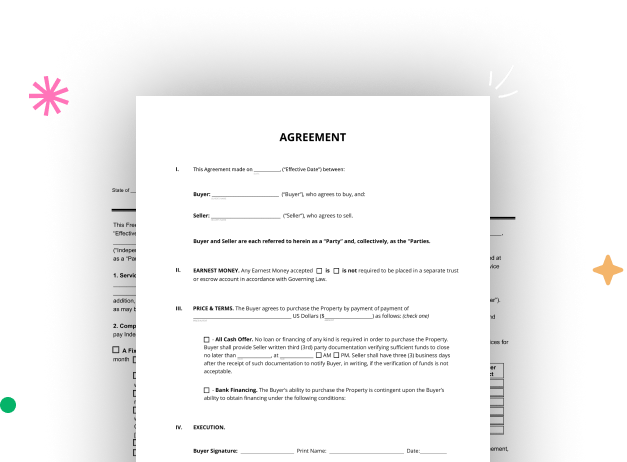

Create your West Virginia Residential Lease from scratch

Start Building Now
Title decoration

Here's how it works

01. Start with a blank West Virginia Residential Lease
Open the blank document in the editor, set the document view, and add extra pages if applicable.
02. Add and configure fillable fields
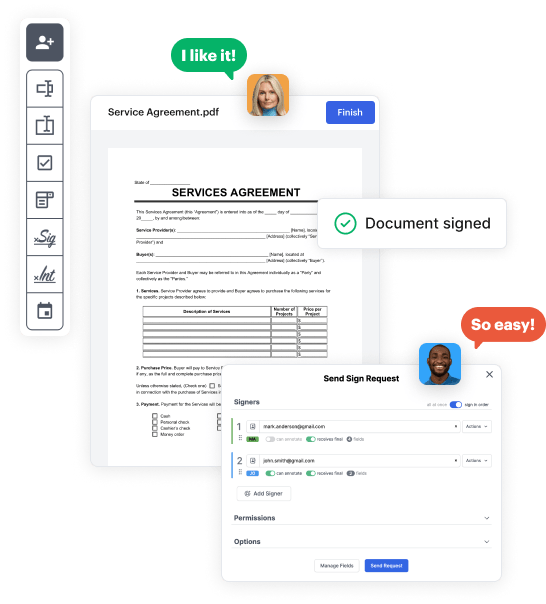
Use the top toolbar to insert fields like text and signature boxes, radio buttons, checkboxes, and more. Assign users to fields.
03. Distribute your form
Share your West Virginia Residential Lease in seconds via email or a link. You can also download it, export it, or print it out.

Design your West Virginia Residential Lease in a matter of minutes

Form edit decoration

Step 1: Access DocHub to build your West Virginia Residential Lease.

Begin by accessing your DocHub account. Utilize the pro DocHub functionality free for 30 days.

Step 2: Go to the dashboard.

Once logged in, head to the DocHub dashboard. This is where you'll create your forms and handle your document workflow.

Step 3: Create the West Virginia Residential Lease.

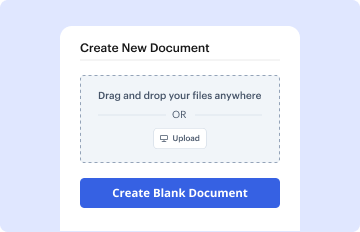
Hit New Document and select Create Blank Document to be redirected to the form builder.

Step 4: Set up the form layout.

Use the DocHub tools to insert and configure form fields like text areas, signature boxes, images, and others to your document.

Step 5: Insert text and titles.

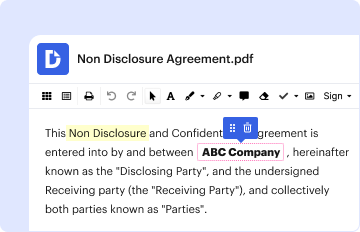
Add needed text, such as questions or instructions, using the text tool to assist the users in your form.

Step 6: Customize field settings.

Modify the properties of each field, such as making them required or arranging them according to the data you expect to collect. Designate recipients if applicable.

Step 7: Review and save.

After you’ve managed to design the West Virginia Residential Lease, make a final review of your document. Then, save the form within DocHub, transfer it to your preferred location, or share it via a link or email.


be ready to get more

Build your West Virginia Residential Lease in minutes

Start creating now

Got questions?

We have answers to the most popular questions from our customers. If you can't find an answer to your question, please contact us.
Contact us
Landlord-Tenant Law It is unlawful for a landlord to lock out a tenant, shut off utilities, refuse repairs, or take other steps to effectively evict a tenant without going through court. A landlord may not seize or impound a tenants property as a way of collecting rent owed.
Landlords cannot raise rent more than 10% total or 5% plus the percentage change in the cost of living whichever is lower over a 12-month period. If the tenants of a unit move out and new tenants move in, the landlord may establish the initial rent to charge. (Civ. Code 1947.12.)
West Virginia does not have state-specific rent control laws, so landlords can generally raise rent by any amount they deem necessary. However, they must provide tenants with adequate noticetypically 30 daysbefore implementing the increase, especially for month-to-month leases.
With home values less than the national average and a booming economy, West Virginia is a great option for property investors. The state also boasts a competitive cost of living and endless outdoor recreation for anyone looking to relocate to this state.
How much can a landlord raise the rent? There is no rent control in Virginia. Therefore, there is no limit on rent increases a landlord can impose, but they must give a 30-day written notice of the increase. If a tenant objects to the new rent amount, they have the right to vacate the unit within that 30-day period.
be ready to get more

Build your West Virginia Residential Lease in minutes

Start creating now

Related Q&A to West Virginia Residential Lease

37-6-30. Landlord to deliver premises; duty to maintain premises in fit and habitable condition.
The parties may opt to docHub a Lease if they want to, but its not required. Can you write your own tenancy agreement? Technically, yes, you can write your own Lease Agreement. To do so, you should have experience writing Rental Contracts and be knowledgeable about West Virginia Lease laws.

Additional resources on building your forms