


Create your West Virginia Landlord Tenant Law from scratch

Start Building Now
Title decoration

Here's how it works

01. Start with a blank West Virginia Landlord Tenant Law
Open the blank document in the editor, set the document view, and add extra pages if applicable.
02. Add and configure fillable fields
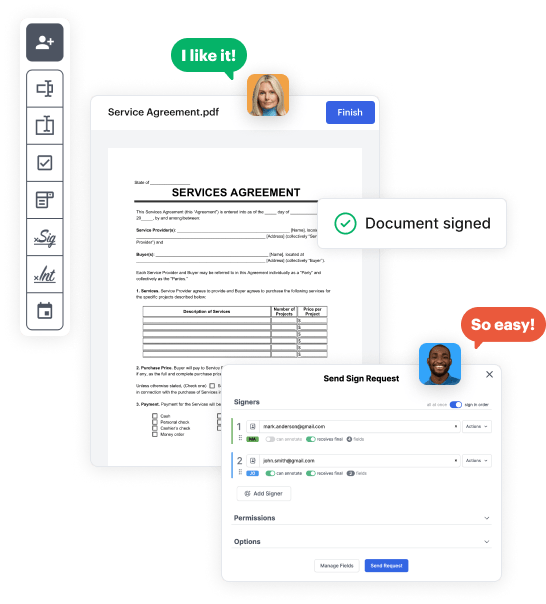
Use the top toolbar to insert fields like text and signature boxes, radio buttons, checkboxes, and more. Assign users to fields.
03. Distribute your form
Share your West Virginia Landlord Tenant Law in seconds via email or a link. You can also download it, export it, or print it out.

Craft West Virginia Landlord Tenant Law from scratch with these detailed guidelines

Form edit decoration

Step 1: Get started with DocHub.

Begin by registering a free DocHub account using any available sign-up method. Simply log in if you already have one.

Step 2: Sign up for a free 30-day trial.

Try out the whole suite of DocHub's advanced tools by registering for a free 30-day trial of the Pro plan and proceed to build your West Virginia Landlord Tenant Law.

Step 3: Build a new blank doc.

In your dashboard, select the New Document button > scroll down and choose to Create Blank Document. You’ll be redirected to the editor.

Step 4: Organize the document’s layout.

Use the Page Controls icon marked by the arrow to toggle between two page views and layouts for more flexibility.

Step 5: Begin by inserting fields to create the dynamic West Virginia Landlord Tenant Law.

Navigate through the top toolbar to add document fields. Add and format text boxes, the signature block (if applicable), add photos, and other elements.

Step 6: Prepare and customize the added fields.

Arrange the fillable areas you added per your preferred layout. Modify each field's size, font, and alignment to make sure the form is easy to use and polished.

Step 7: Finalize and share your template.

Save the finalized copy in DocHub or in platforms like Google Drive or Dropbox, or create a new West Virginia Landlord Tenant Law. Send out your form via email or utilize a public link to reach more people.


be ready to get more

Build your West Virginia Landlord Tenant Law in minutes

Start creating now

Got questions?

We have answers to the most popular questions from our customers. If you can't find an answer to your question, please contact us.
Contact us
2. Timeline Lease Agreement / Type of Tenancy / Rent PaymentTermination Notice to Receive Week-to-week 7-Day Notice to Quit Month-to-month 30-Day Notice to Quit Year-to-year 90-Day Notice to Quit Jun 13, 2024
37-6-30. Landlord to deliver premises; duty to maintain premises in fit and habitable condition.
West Virginia does not have state-specific rent control laws, so landlords can generally raise rent by any amount they deem necessary. However, they must provide tenants with adequate noticetypically 30 daysbefore implementing the increase, especially for month-to-month leases.
It is unlawful for a landlord to lock out a tenant, shut off utilities, refuse repairs, or take other steps to effectively evict a tenant without going through court. A landlord may not seize or impound a tenants property as a way of collecting rent owed.
Landlords are required to have a West Virginia Business Registration Certificate with the state tax department upon filing for their business license. The fee for a rental business license is $15.00.
be ready to get more

Build your West Virginia Landlord Tenant Law in minutes

Start creating now

Related Q&A to West Virginia Landlord Tenant Law

Repairs and Code Compliance: All repairs must be made in a timely manner and in ance with all city, state and federal building codes. Utilities: The landlord must refrain from turning off any necessary utilities including water, electricity and heat.
With home values less than the national average and a booming economy, West Virginia is a great option for property investors. The state also boasts a competitive cost of living and endless outdoor recreation for anyone looking to relocate to this state.
Some examples of illegal landlord actions include: changing locks without giving notice. entering a tenants apartment without permission. refusing to make necessary repairs.

Additional resources on building your forms


