


Create your West Virginia Landlord Tenant Form from scratch

Start Building Now
Title decoration

Here's how it works

01. Start with a blank West Virginia Landlord Tenant Form
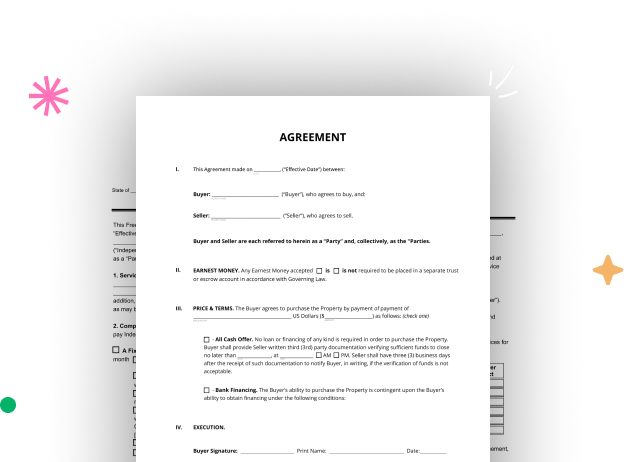
Open the blank document in the editor, set the document view, and add extra pages if applicable.
02. Add and configure fillable fields
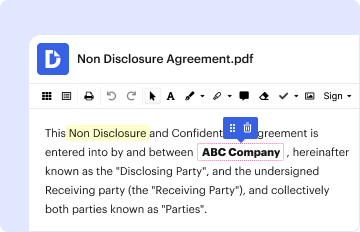
Use the top toolbar to insert fields like text and signature boxes, radio buttons, checkboxes, and more. Assign users to fields.
03. Distribute your form
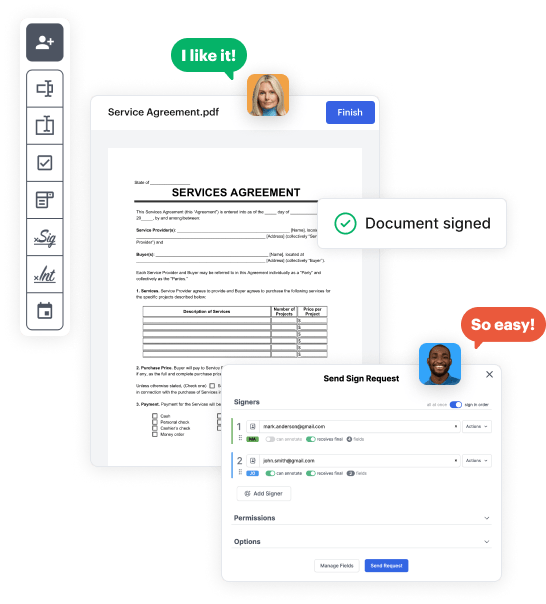
Share your West Virginia Landlord Tenant Form in seconds via email or a link. You can also download it, export it, or print it out.

A detailed walkthrough of how to build your West Virginia Landlord Tenant Form online

Form edit decoration

Step 1: Start with DocHub's free trial.

Go to the DocHub website and sign up for the free trial. This gives you access to every feature you’ll need to create your West Virginia Landlord Tenant Form without any upfront cost.

Step 2: Navigate to your dashboard.

Log in to your DocHub account and go to the dashboard.

Step 3: Initiate a new document.

Hit New Document in your dashboard, and choose Create Blank Document to create your West Virginia Landlord Tenant Form from the ground up.

Step 4: Utilize editing tools.

Place various elements such as text boxes, radio buttons, icons, signatures, etc. Organize these fields to suit the layout of your document and assign them to recipients if needed.

Step 5: Modify the form layout.

Organize your document effortlessly by adding, moving, removing, or merging pages with just a few clicks.

Step 6: Set up the West Virginia Landlord Tenant Form template.

Turn your newly crafted form into a template if you need to send many copies of the same document numerous times.

Step 7: Save, export, or share the form.

Send the form via email, share a public link, or even publish it online if you want to collect responses from more recipients.


be ready to get more

Build your West Virginia Landlord Tenant Form in minutes

Start creating now

Got questions?

We have answers to the most popular questions from our customers. If you can't find an answer to your question, please contact us.
Contact us
Landlord-Tenant Law It is unlawful for a landlord to lock out a tenant, shut off utilities, refuse repairs, or take other steps to effectively evict a tenant without going through court. A landlord may not seize or impound a tenants property as a way of collecting rent owed.
To excel as a property manager in West Virginia, individuals need more than just experience; they must acquire a professional license through state-approved courses and exams. These requirements validate their industry knowledge and ability to safeguard the interests of both property owners and tenants.
West Virginia is a very landlord-friendly state because of the lack of rent control laws and there are very few restrictions on evictions.
Fill out the tenancy details: Name: Enter a name for the new tenancy. Description: Optionally, enter a description for the new tenancy. Service Namespace: Set a unique namespace for all resources created within this tenancy. Authentication Credentials: Set a user name and password for the primary tenancy administrator.
No, West Virginia Lease Agreements do not need to be docHubd. As long as the Lease meets the criteria to be enforceable and is signed by both parties, its considered legally binding and fully enforceable.
be ready to get more

Build your West Virginia Landlord Tenant Form in minutes

Start creating now

Related Q&A to West Virginia Landlord Tenant Form

Landlords are required to have a West Virginia Business Registration Certificate with the state tax department upon filing for their business license. The fee for a rental business license is $15.00.
Business License Required: No statute is given on the state level, but a person should check at the city and county levels of government to determine whether or not a business license is required for a landlord to manage properties. Landlord business licenses may be required in certain areas and not in others.

Additional resources on building your forms


