Transform your file administration with Virginia Rental Laws

Your workflows always benefit when you can obtain all of the forms and documents you require at your fingertips. DocHub delivers a a huge library of forms to ease your day-to-day pains. Get a hold of Virginia Rental Laws category and easily discover your form.

Begin working with Virginia Rental Laws in a few clicks:

  1. Gain access to Virginia Rental Laws and locate the document you need.
  2. Click Get Form to open it in our editor.
  3. Begin changing your document: add fillable fields, highlight sentences, or blackout sensitive information and facts.
  4. The application saves your modifications automatically, and after you are ready, you can download or distribute your file with other contributors.

Enjoy smooth form administration with DocHub. Explore our Virginia Rental Laws online library and get your form right now!


Video Guide on Virginia Rental Laws management

video background

Commonly Asked Questions about Virginia Rental Laws

The landlord or the tenant may terminate a month-to-month tenancy by serving a written notice on the other at least 30 days prior to the next rent due date, unless the rental agreement provides for a different notice period. The landlord and the tenant may agree in writing to an early termination of a rental agreement.
TERMINATING OR ENDING YOUR TENANCY If you have no written lease and you pay rent by the month, the tenancy can be terminated by either you or the landlord for any reason or no reason at all, by giving at least 30 days written notice before the next rental due date.
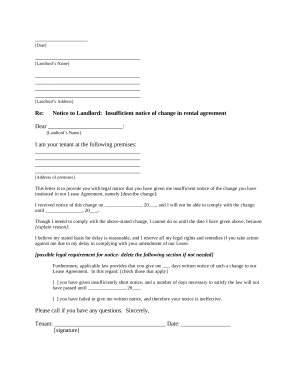
When Can Landlords Enter Premises? In Virginia, landlords are required to provide tenants with 24 hours notice before entering the premises to make repairs, show the unit to prospective buyers, and more. The only exception to this is if there is an emergency, such as a fire or severe leakage.
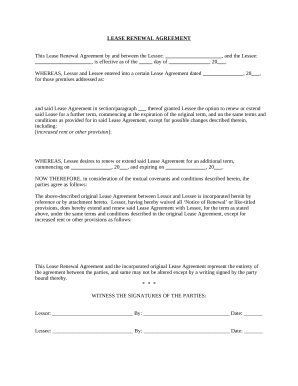
Upon the expiration of a rental agreement with a term of one year or more, the agreement shall be automatically renewed for a term of the same duration with the same terms unless either party provides written notification of an intent to not renew the agreement at least 60 days prior to the expiration date or the
NOTE: Under Virginia law, if you do not have a lease, and you do not pay rent, you are considered a tenant at sufferance. This means you can be evicted for any reason at all, at any time, and no notice needs to be given to you. Under this circumstance you can go from tenant to trespasser very quickly.
There is no general statute that would require you to give 60 days notice if the lease doesnt require it. The general rule for month-to-month tenancies is that 30 days notice is required unless the lease says otherwise. Code of Virginia, Section 55-248.2.
ing to Virginia landlord-tenant law, tenants have the right to live in a habitable unit that complies with proper housing regulations. Additionally, tenants have the legal right to request required repairs if the unit has any kind of damage that exceeds normal wear and tear.
How much can a landlord raise the rent? There is no rent control in Virginia. Therefore, there is no limit on rent increases a landlord can impose, but they must give a 30-day written notice of the increase.