

Create your Virginia Family Law Form from scratch

Start Building Now
Title decoration

Here's how it works

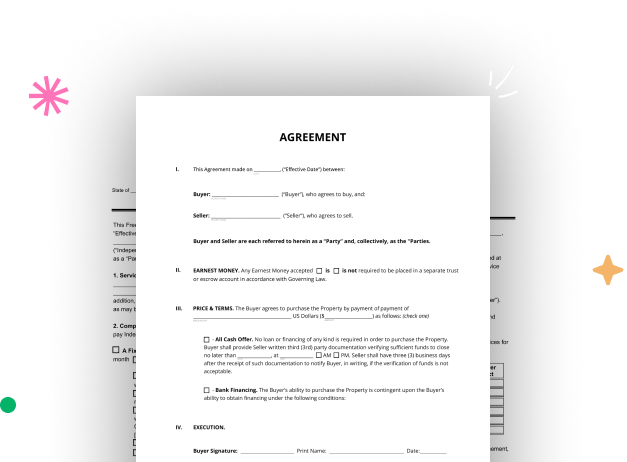
01. Start with a blank Virginia Family Law Form
Open the blank document in the editor, set the document view, and add extra pages if applicable.
02. Add and configure fillable fields
Use the top toolbar to insert fields like text and signature boxes, radio buttons, checkboxes, and more. Assign users to fields.
03. Distribute your form
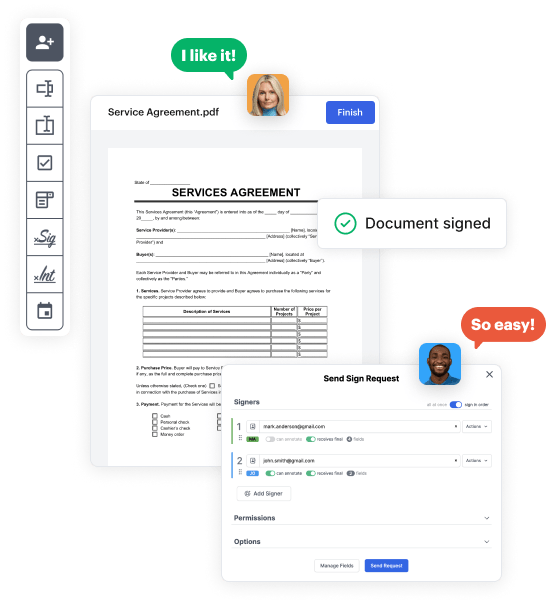
Share your Virginia Family Law Form in seconds via email or a link. You can also download it, export it, or print it out.

Design your Virginia Family Law Form in a matter of minutes

Form edit decoration

Step 1: Access DocHub to set up your Virginia Family Law Form.

Start by logging into your DocHub account. Try out the pro DocHub functionality at no cost for 30 days.

Step 2: Go to the dashboard.

Once signed in, head to the DocHub dashboard. This is where you'll build your forms and handle your document workflow.

Step 3: Create the Virginia Family Law Form.

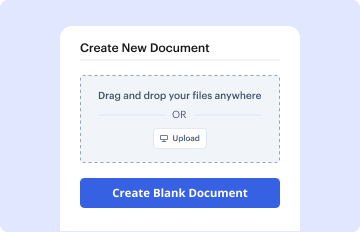
Click on New Document and select Create Blank Document to be redirected to the form builder.

Step 4: Design the form layout.

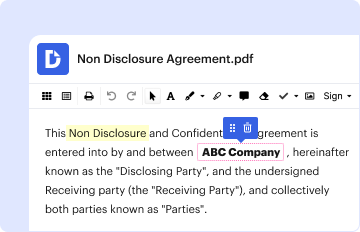
Use the DocHub tools to insert and configure form fields like text areas, signature boxes, images, and others to your document.

Step 5: Insert text and titles.

Add needed text, such as questions or instructions, using the text tool to guide the users in your document.

Step 6: Configure field properties.

Adjust the properties of each field, such as making them mandatory or formatting them according to the data you expect to collect. Assign recipients if applicable.

Step 7: Review and save.

After you’ve managed to design the Virginia Family Law Form, make a final review of your document. Then, save the form within DocHub, transfer it to your selected location, or distribute it via a link or email.


be ready to get more

Build your Virginia Family Law Form in minutes

Start creating now

Got questions?

We have answers to the most popular questions from our customers. If you can't find an answer to your question, please contact us.
Contact us
Some examples of material changes include: relocation of parent; inability by a parent to work together and cooperate with the other parent and effectively co-parent, a parent has remarried or had another child; the childs safety is in jeopardy with the custodial parent; a parent has violated the current order
You can download some forms online, including the: Information Considered in Child Custody/Visitation Proceedings. Uniform Child Custody Jurisdiction and Enforcement Act Affidavit. Notice of Information Required in Child/Spousal Support Proceedings. Acknowledgement of Paternity (unmarried parents only)
Virginia JDR courts have jurisdiction over both child custody and child support cases. Once your case is heard by the judge, a final order is entered. If you are unhappy with the final order entered by the JDR judge you have a right to appeal to circuit court.
Custody, visitation, and support determinations are made in the Juvenile and Domestic Relations District Court. If you do not already have an order from another court, you may file a petition requesting custody or visitation in the Court Service Unit, located on the second floor of the juvenile court building.
To file your Motion for custody modification in the Juvenile Court, fill out the Virginia Form DC-630, which is the Motion to Amend or Review Order. You can download a blank form from the Virginia judicial website.
be ready to get more

Build your Virginia Family Law Form in minutes

Start creating now

Related Q&A to Virginia Family Law Form

In determining custody, the court shall give primary consideration to the best interests of the child. The court shall consider and may award joint legal, joint physical, or sole custody, and there shall be no presumption in favor of any form of custody.
Unless you submit a fee waiver request, youll pay $25. Petitions and motions filed later require an additional $25 each. You may encounter other fees, depending on your court and the paperwork youre filing.
Modifying Child Support One of the parents must request the change by a formal motion to the court. The court that makes the original child support award has the authority to modify the order if conditions change. Either parent may request the court to change the order throughout the time the child is under 18.
Unless a court determines that visitation with a noncustodial parent is not in the best interests of the child, visitation by a noncustodial parent cannot be denied, suspended, or restricted by a custodial parent.
A bill of complaint is a legal document used to initiate a lawsuit in a civil court. It outlines the relief that the plaintiff is seeking from the court and provides a brief summary of the facts that support the plaintiffs claims.

Additional resources on building your forms