Get and manage Vermont Rental Laws online

Boost your file operations with our Vermont Rental Laws category with ready-made templates that suit your requirements. Get your form template, edit it, complete it, and share it with your contributors without breaking a sweat. Start working more effectively with your documents.

How to use our Vermont Rental Laws:

  1. Open our Vermont Rental Laws and find the form you require.
  2. Preview your document to ensure it’s what you want, and click Get Form to start working on it.
  3. Change, add new text, or highlight important information with DocHub features.
  4. Complete your form and preserve the changes.
  5. Download or share your document with other people.

Explore all the opportunities for your online document management using our Vermont Rental Laws. Get your totally free DocHub account right now!


Video Guide on Vermont Rental Laws management

video background

Commonly Asked Questions about Vermont Rental Laws

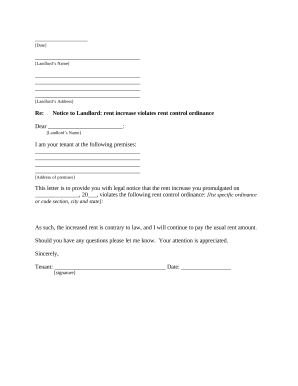
In Vermont there is no cap on how much rent can be increased, however some rent increases over a certain percent increase may be eligible for mediation.
Subchapter 002 : Residential Rental Agreements. (a) Termination for nonpayment of rent. The landlord may terminate a tenancy for nonpayment of rent by providing actual notice to the tenant of the date on which the tenancy will terminate, which shall be at least 14 days after the date of the actual notice.
In any residential rental agreement, the landlord shall be deemed to covenant and warrant to deliver over and maintain, throughout the period of the tenancy, premises that are safe, clean, and fit for human habitation and that comply with the requirements of applicable building, housing, and health regulations.
In order to be evicted, your landlord must have legal grounds to evict you. See our Notice to Terminate Tenancy page for details. Your landlord must follow the proper legal steps.
Vermont is not a landlord-friendly state because of the strict notification policies and eviction rules.
In Vermont, the notice period depends on the eviction reason. For non-payment of rent, a 14-day notice is required. For lease violations, a 30-day notice is typically needed. For ending a month-to-month tenancy without cause, a 60-day notice is generally required.
(e) Termination for no cause under terms of written rental agreement. If there is a written rental agreement, the notice to terminate for no cause shall be at least 30 days before the end or expiration of the stated term of the rental agreement if the tenancy has continued for two years or less.
Tenants can use the Vermont Tenant Notice to Vacate Form to inform landlords and property managers of their intention to vacate the rental property at least 30 days before they intend to move out, or longer if required by the terms of their Vermont Lease Agreement.