
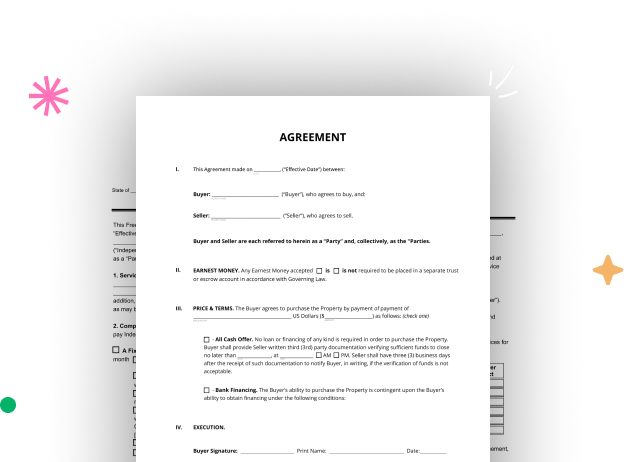

Create your US Real Estate Transaction Form from scratch

Start Building Now
Title decoration

Here's how it works

01. Start with a blank US Real Estate Transaction Form
Open the blank document in the editor, set the document view, and add extra pages if applicable.
02. Add and configure fillable fields
Use the top toolbar to insert fields like text and signature boxes, radio buttons, checkboxes, and more. Assign users to fields.
03. Distribute your form
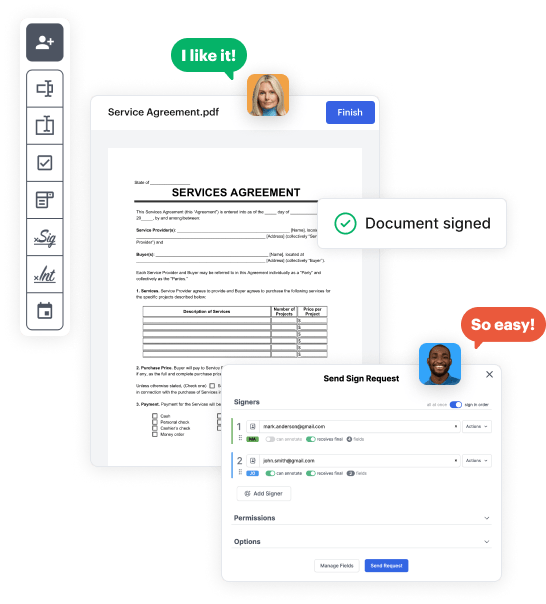
Share your US Real Estate Transaction Form in seconds via email or a link. You can also download it, export it, or print it out.

Create your US Real Estate Transaction Form in a matter of minutes

Form edit decoration

Step 1: Access DocHub to set up your US Real Estate Transaction Form.

Start by logging into your DocHub account. Utilize the pro DocHub functionality free for 30 days.

Step 2: Navigate to the dashboard.

Once signed in, go to the DocHub dashboard. This is where you'll create your forms and handle your document workflow.

Step 3: Create the US Real Estate Transaction Form.

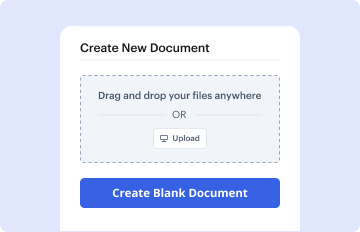
Click on New Document and select Create Blank Document to be redirected to the form builder.

Step 4: Design the form layout.

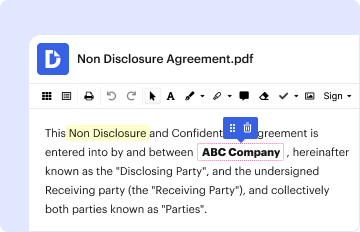
Use the DocHub tools to insert and configure form fields like text areas, signature boxes, images, and others to your form.

Step 5: Insert text and titles.

Include needed text, such as questions or instructions, using the text tool to guide the users in your form.

Step 6: Configure field settings.

Adjust the properties of each field, such as making them mandatory or formatting them according to the data you expect to collect. Assign recipients if applicable.

Step 7: Review and save.

After you’ve managed to design the US Real Estate Transaction Form, make a final review of your form. Then, save the form within DocHub, send it to your selected location, or distribute it via a link or email.


be ready to get more

Build your US Real Estate Transaction Form in minutes

Start creating now

Got questions?

We have answers to the most popular questions from our customers. If you can't find an answer to your question, please contact us.
Contact us
How to draft a purchase agreement Name and contact information for buyer and seller. The address of the property being sold. The price to be paid for the property. The date of transfer. Disclosures. Contingencies. Signatures.
Form 1099-S is used to report the sale or exchange of present or future interests in real estate. It is generally filed by the person responsible for closing the transaction, but depending on the circumstances it might also be filed by the mortgage lender or a broker for one side or other in the transaction.
How to write a real estate purchase agreement. Identify the address of the property being purchased, including all required legal descriptions. Identify the names and addresses of both the buyer and the seller. Detail the price of the property and the terms of the purchase. Set the closing date and closing costs.
The IRS 1099 Forms are a group of tax forms that document payments made by an individual or a business that typically isnt your employer. The business that pays the money fills out the form with the appropriate details and sends copies to you and the IRS.
Generally, the person responsible for closing a reportable transaction is required to file Form 1099-S. However, determining who is responsible for closing the transaction can differ depending on the specific facts of the transaction.
be ready to get more

Build your US Real Estate Transaction Form in minutes

Start creating now

Related Q&A to US Real Estate Transaction Form

If you have not received an expected 1099 by a few days after that, contact the payer. If you still do not get the form by February 15, call the IRS for help at 1-800- 829-1040. In some cases, you may obtain the information that would be on the 1099 from other sources.
What is Substitute Form 1099-S for? This form is designed for reporting a transaction that may consist of the complete or partial sale or money exchange, property, indebtedness, services of the future or present interest of the ownership.

Additional resources on building your forms


