
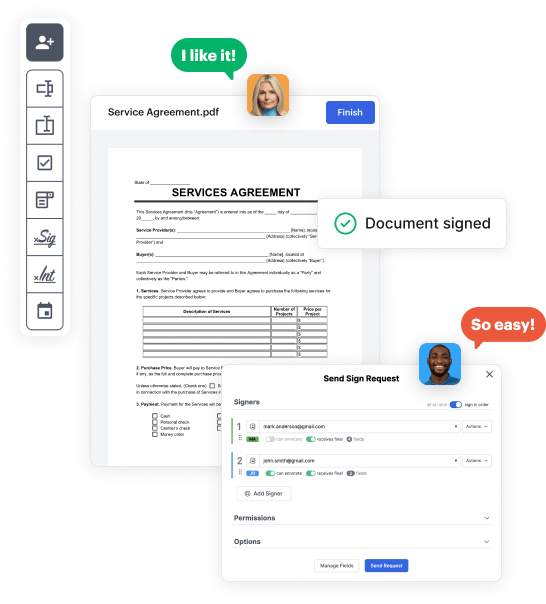
Create your U.S Living Will Form from scratch

Start Building Now
Title decoration

Here's how it works

01. Start with a blank U.S Living Will Form
Open the blank document in the editor, set the document view, and add extra pages if applicable.
02. Add and configure fillable fields
Use the top toolbar to insert fields like text and signature boxes, radio buttons, checkboxes, and more. Assign users to fields.
03. Distribute your form
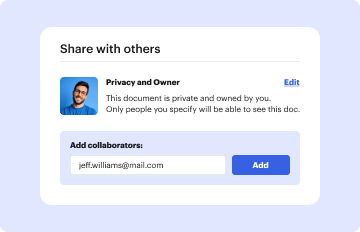
Share your U.S Living Will Form in seconds via email or a link. You can also download it, export it, or print it out.

Build U.S Living Will Form from the ground up by following these detailed guidelines

Form edit decoration

Step 1: Start off by launching DocHub.

Begin by signing up for a free DocHub account using any offered sign-up method. Simply log in if you already have one.

Step 2: Sign up for a free 30-day trial.

Try out the whole set of DocHub's advanced features by signing up for a free 30-day trial of the Pro plan and proceed to build your U.S Living Will Form.

Step 3: Build a new empty document.

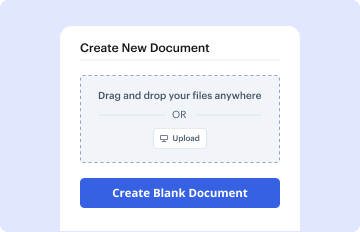
In your dashboard, select the New Document button > scroll down and choose to Create Blank Document. You’ll be taken to the editor.

Step 4: Organize the document’s view.

Utilize the Page Controls icon indicated by the arrow to switch between different page views and layouts for more flexibility.

Step 5: Begin by adding fields to design the dynamic U.S Living Will Form.

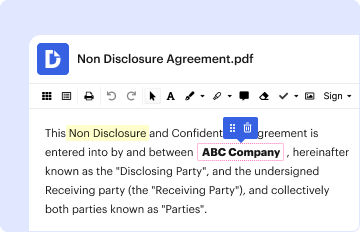
Navigate through the top toolbar to add document fields. Insert and format text boxes, the signature block (if applicable), add photos, and other elements.

Step 6: Prepare and customize the incorporated fields.

Organize the fields you incorporated based on your desired layout. Personalize the size, font, and alignment to make sure the form is user-friendly and polished.

Step 7: Finalize and share your document.

Save the finalized copy in DocHub or in platforms like Google Drive or Dropbox, or create a new U.S Living Will Form. Distribute your form via email or utilize a public link to reach more people.


be ready to get more

Build your U.S Living Will Form in minutes

Start creating now

Got questions?

We have answers to the most popular questions from our customers. If you can't find an answer to your question, please contact us.
Contact us
A living trust may be better than a will if: You want to maintain privacy over your property or assets. You have several real estate properties. You have docHub financial assets.
Advance directives refer to any legal form guiding your future medical care, and living wills refer to specific documents that shape end-of-life treatment. So not all advance directives are living wills, but all living wills are advance directives.
A living will, also called a declaration, tells your family and doctor your wishes when you cant speak for yourself. Its used to describe treatment you want as you near the end of your life or if you get seriously hurt or ill. You can change or cancel your living will at any time.
An advance directive, sometimes called a living will, is a written document that tells your health care providers who should speak for you and what medical decisions they should make if you become unable to speak for yourself.
While all states recognize these types of documents, the law varies as to whether a state will recognize a document prepared in another state. It is not necessary to prepare additional documents in case you might vacation in another state.
be ready to get more

Build your U.S Living Will Form in minutes

Start creating now

Related Q&A to U.S Living Will Form

Heres a breakdown of the main cons: Limited Scope: Living wills primarily address life-sustaining treatments in specific end-of-life scenarios. They may not cover every possible medical situation, nor do they address aspects like pain management or choice of care setting.
1. I direct that I be given health care treatment to relieve pain or provide comfort even if such treatment might shorten my life, suppress my appetite or my breathing, or be habit forming. 2. I direct that all life prolonging procedures be withheld or withdrawn.
Cons of a Living Will There are also some downsides: It can be complicated to research all the specific interventions you could be subject to and decide whether to accept or deny each treatment. You likely wont be able to address every potential situation that could arise if you become incapacitated.

Additional resources on building your forms