
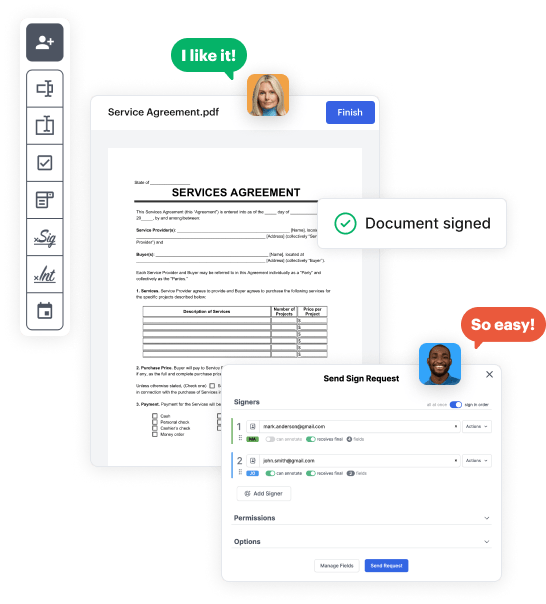
Create your US Legal Tenancy Form from scratch

Start Building Now
Title decoration

Here's how it works

01. Start with a blank US Legal Tenancy Form
Open the blank document in the editor, set the document view, and add extra pages if applicable.
02. Add and configure fillable fields
Use the top toolbar to insert fields like text and signature boxes, radio buttons, checkboxes, and more. Assign users to fields.
03. Distribute your form
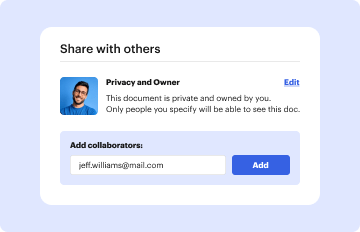
Share your US Legal Tenancy Form in seconds via email or a link. You can also download it, export it, or print it out.

Create your US Legal Tenancy Form in a matter of minutes

Form edit decoration

Step 1: Access DocHub to set up your US Legal Tenancy Form.

Start by accessing your DocHub account. Utilize the advanced DocHub functionality at no cost for 30 days.

Step 2: Navigate to the dashboard.

Once signed in, go to the DocHub dashboard. This is where you'll create your forms and manage your document workflow.

Step 3: Design the US Legal Tenancy Form.

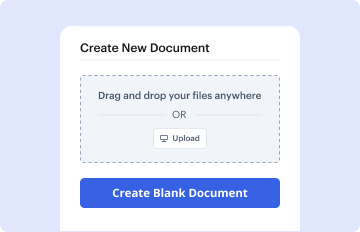
Hit New Document and select Create Blank Document to be redirected to the form builder.

Step 4: Set up the form layout.

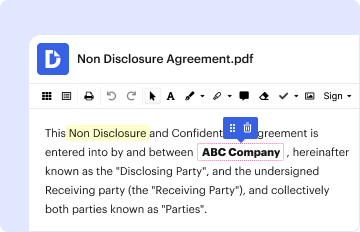
Use the DocHub tools to insert and configure form fields like text areas, signature boxes, images, and others to your form.

Step 5: Add text and titles.

Add necessary text, such as questions or instructions, using the text tool to lead the users in your document.

Step 6: Customize field properties.

Alter the properties of each field, such as making them compulsory or arranging them according to the data you plan to collect. Assign recipients if applicable.

Step 7: Review and save.

After you’ve managed to design the US Legal Tenancy Form, make a final review of your form. Then, save the form within DocHub, export it to your preferred location, or distribute it via a link or email.


be ready to get more

Build your US Legal Tenancy Form in minutes

Start creating now

Got questions?

We have answers to the most popular questions from our customers. If you can't find an answer to your question, please contact us.
Contact us
A rental agreement is a contract (written or oral) under which a landlord allows a tenant to use and occupy its property for short time periods. Commonly, a rental agreement has a monthly duration to the extent it expires and is renewed by the parties each month.
This format requires landlords and tenants to include the following details in their contract: Name and contact details of the tenant. Name and contact details of the landlord. Property usage. Property address, location, building name and size. The property plot number. The DEWA premise number. Agreed rent amount.
Assured shorthold tenancies ( ASTs ) The most common form of tenancy is an AST .
Tenancy in common (TIC) is a legal arrangement in which two or more parties jointly own a piece of real property such as a building or parcel of land. The key feature of a TIC is that a party can sell their share of the property while also reserving the right to pass on their share to their heirs.
Fill out the tenancy details: Name: Enter a name for the new tenancy. Description: Optionally, enter a description for the new tenancy. Service Namespace: Set a unique namespace for all resources created within this tenancy. Authentication Credentials: Set a user name and password for the primary tenancy administrator.
be ready to get more

Build your US Legal Tenancy Form in minutes

Start creating now

Related Q&A to US Legal Tenancy Form

The tenancy agreement is a contract between you and your landlord. It may be written or verbal. The tenancy agreement gives certain rights to both you and your landlord. For example, your right to occupy the accommodation and your landlords right to receive rent for letting the accommodation.
Changing the tenancy agreement A tenancy agreement can normally only be changed if both you and your landlord agree. If you both agree, the change should be recorded in writing, either by drawing up a new written document setting out the terms of the tenancy or by amending the existing written tenancy agreement.
Tenancy at will has the disadvantage of uncertain duration, with either landlord or tenant able to terminate the agreement at any time, making long-term planning difficult.

Additional resources on building your forms


