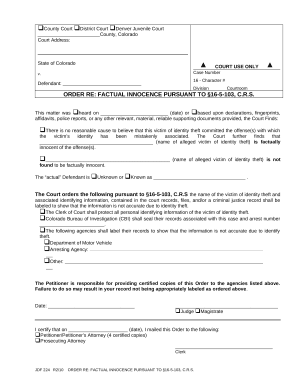
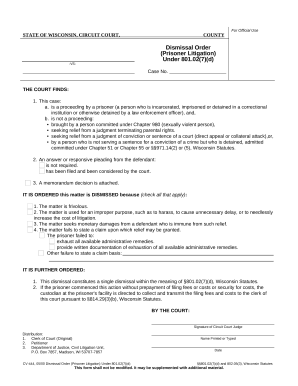
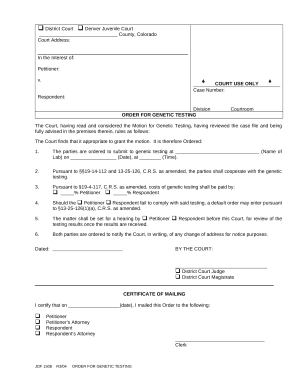
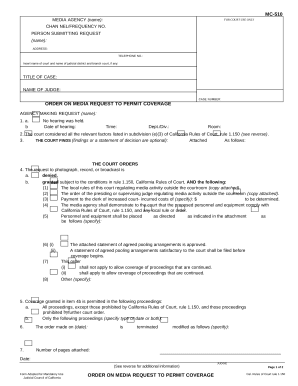
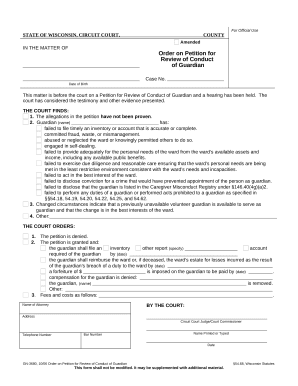
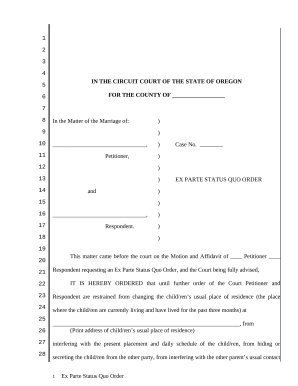
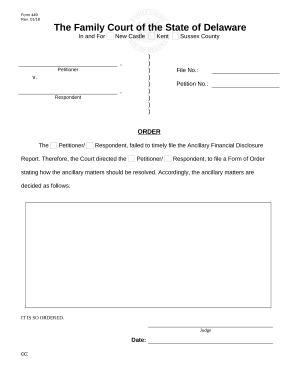
Get and manage US Legal Orders online

Speed up your form management with our US Legal Orders online library with ready-made templates that meet your requirements. Access the form, alter it, fill it, and share it with your contributors without breaking a sweat. Begin working more effectively together with your documents.

The best way to use our US Legal Orders:

  1. Open our US Legal Orders and find the form you require.
  2. Preview your form to ensure it’s what you want, and click Get Form to begin working on it.
  3. Edit, add new text, or highlight important information with DocHub tools.
  4. Complete your form and preserve the changes.
  5. Download or share your document template with other people.

Explore all the possibilities for your online document administration with the US Legal Orders. Get your totally free DocHub account today!

Video Guide on US Legal Orders management

video background

Commonly Asked Questions about US Legal Orders

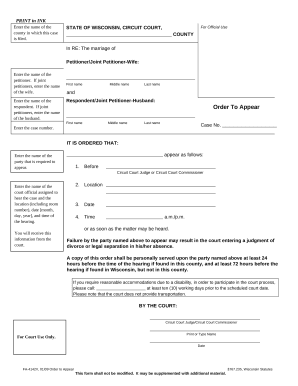
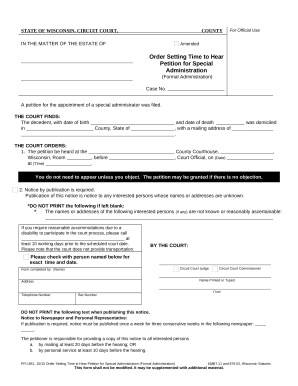
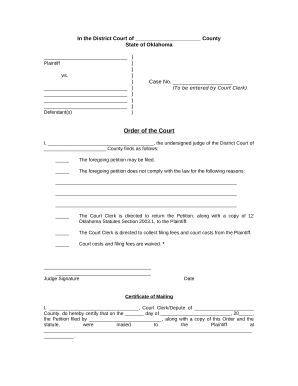
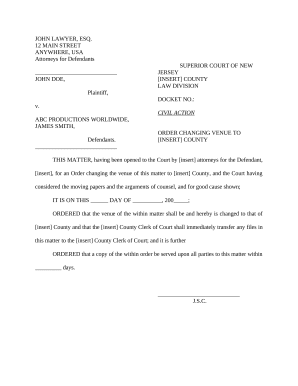
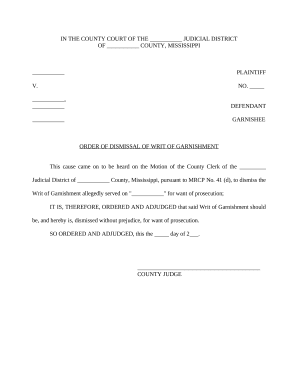
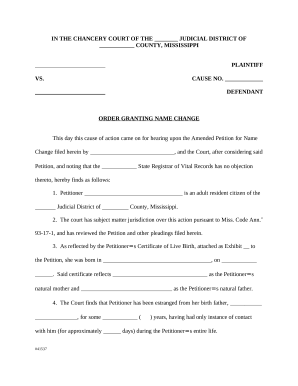
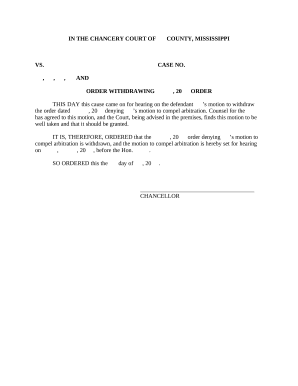
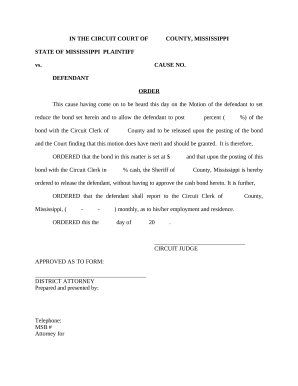
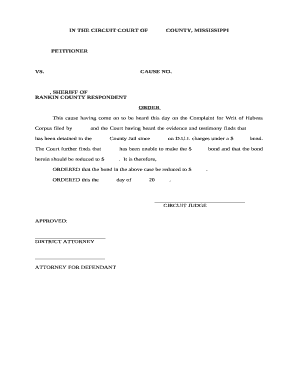
A decision issued by a court or authoritative body. This includes final and non-final orders issued by a court.
When researching the law, it is important to remember the four main types of law: constitutional, statutory, administrative and case (common) law.
Legal orders are collections of norms, be it the law of nation-states, supranational entities or international law. All legal orders comprise norms that impose duties to perform or refrain from certain actions on natural persons or legal entities (primary rules).
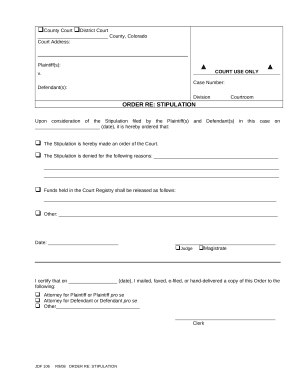
A motion in a US court is when a lawyer asks the judge for something (could probably be anything, but its really just a request that the court do something). An order is given by the judge and is the judge telling someone to do something.
What is the difference between an order and a judgment? An order is the district court judges written decision. Sometimes, the order includes findings of fact and conclusions of law, but not always. Sometimes, the judge will specifically direct that a judgment be entered on the order, but not always.
Law is a rule or a directive which is laid down ing to the constitution and legislations of the country. Order is the state of peace and discipline in which citizens interact with each other without any conflicts.
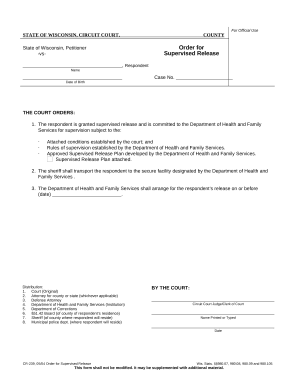
order. 1) n. every direction or mandate of a judge or a court which is not a judgment or legal opinion (although both may include an order) directing that something be done or that there is prohibition against some act.
For example, the United States has a legal order that includes the Constitution, federal and state laws, and the court system. The Constitution outlines the basic principles and rights of citizens, while laws are created by elected officials to regulate various aspects of society.