
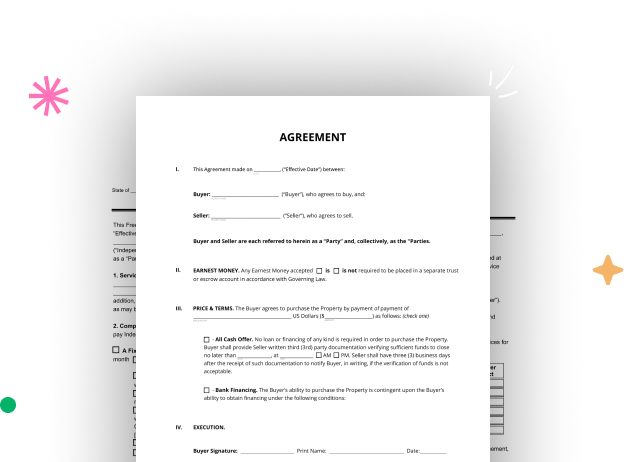


Create your US Legal Forms for Living Trust from scratch

Start Building Now
Title decoration

Here's how it works

01. Start with a blank US Legal Forms for Living Trust
Open the blank document in the editor, set the document view, and add extra pages if applicable.
02. Add and configure fillable fields
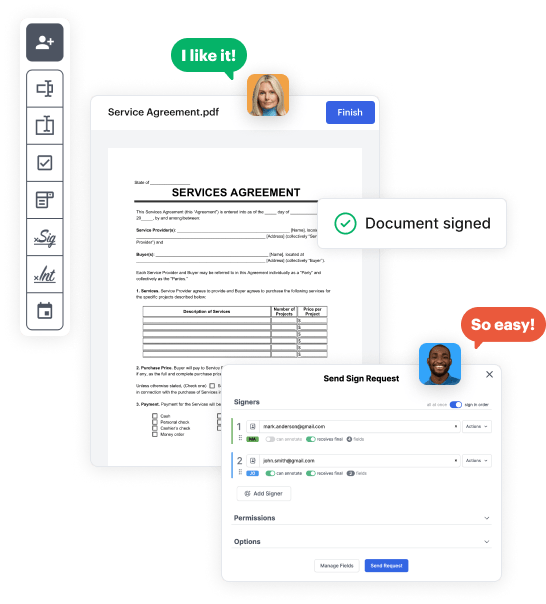
Use the top toolbar to insert fields like text and signature boxes, radio buttons, checkboxes, and more. Assign users to fields.
03. Distribute your form
Share your US Legal Forms for Living Trust in seconds via email or a link. You can also download it, export it, or print it out.

A brief tutorial on how to set up a polished US Legal Forms for Living Trust

Form edit decoration

Step 1: Log in to DocHub to begin creating your US Legal Forms for Living Trust.

First, sign in to your DocHub account. If you don't have one, you can simply register for free.

Step 2: Go to the dashboard.

Once signed in, access your dashboard. This is your central hub for all document-related activities.

Step 3: Launch new document creation.

In your dashboard, click on New Document in the upper left corner. Hit Create Blank Document to build the US Legal Forms for Living Trust from scratch.

Step 4: Add form elements.

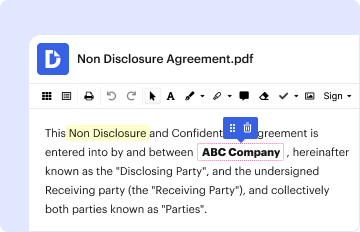
Add numerous elements like text boxes, images, signature fields, and other fields to your form and assign these fields to particular users as necessary.

Step 5: Customize your template.

Refine your form by incorporating directions or any other essential details leveraging the text tool.

Step 6: Go over and correct the form.

Carefully check your created US Legal Forms for Living Trust for any discrepancies or necessary adjustments. Make use of DocHub's editing capabilities to enhance your template.

Step 7: Distribute or download the template.

After completing, save your work. You may choose to retain it within DocHub, export it to various storage solutions, or forward it via a link or email.


be ready to get more

Build your US Legal Forms for Living Trust in minutes

Start creating now

Got questions?

We have answers to the most popular questions from our customers. If you can't find an answer to your question, please contact us.
Contact us
The assets you cannot put into a trust include the following: Medical savings accounts (MSAs) Health savings accounts (HSAs) Retirement assets: 403(b)s, 401(k)s, IRAs. Any assets that are held outside of the United States. Cash. Vehicles.
The 4 Biggest Mistakes Parents Make When Setting Up a Trust Fund Not choosing the right Trustee. Choosing the wrong Trustee is a common mistake parents make. Not being clear about the goals of the Trust. Not including asset protection provisions. Not reviewing the Trust annually.
Nolos Quicken WillMaker: Best all-inclusive The service can be used to make a pour-over will, health care directive, living trust, letters to survivors and other financial management documents, depending on your annual plan.
Whether youre single or married, how sophisticated the trust needs to be, and the state you live in, youll probably pay an attorney between $1,500 and $2,500 to create your trust.
Trusts offer amazing benefits, but they also come with potential downsides like loss of control, limited access to assets, costs, and recordkeeping difficulties.
be ready to get more

Build your US Legal Forms for Living Trust in minutes

Start creating now

Related Q&A to US Legal Forms for Living Trust

In that case, the cost can vary based on how intricate your estate is and the lawyers expertise. On average, attorney fees for establishing a living trust can range from $1,000 to $3,000 for a trust. For estates, fees can go up to $5,000 or higher.
Setting up a trust: 5 steps for grantor Decide what assets to place in your trust. Identify who will be the beneficiary/beneficiaries of your trust. Determine the rules of your trust. Select your trustee or (trustees). Draft your trust document with an attorney.
With that said, revocable trusts, irrevocable trusts, and asset protection trusts are among some of the most common types to consider.

Additional resources on building your forms


