
Create your US Landlord and Tenant Law from scratch

Start Building Now
Title decoration

Here's how it works

01. Start with a blank US Landlord and Tenant Law
Open the blank document in the editor, set the document view, and add extra pages if applicable.
02. Add and configure fillable fields
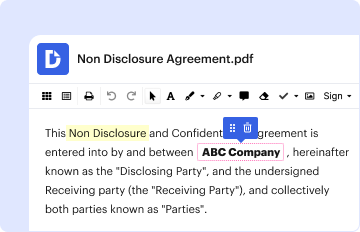
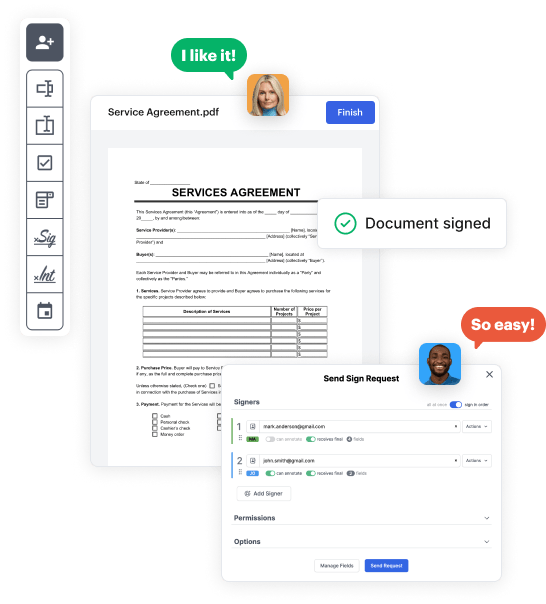
Use the top toolbar to insert fields like text and signature boxes, radio buttons, checkboxes, and more. Assign users to fields.
03. Distribute your form
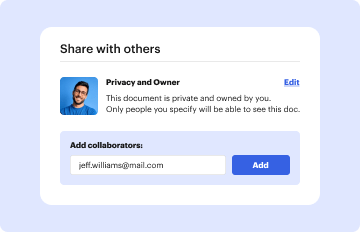
Share your US Landlord and Tenant Law in seconds via email or a link. You can also download it, export it, or print it out.

Create your US Landlord and Tenant Law in a matter of minutes

Form edit decoration

Step 1: Access DocHub to build your US Landlord and Tenant Law.

Start by logging into your DocHub account. Explore the pro DocHub functionality free for 30 days.

Step 2: Navigate to the dashboard.

Once signed in, go to the DocHub dashboard. This is where you'll build your forms and manage your document workflow.

Step 3: Design the US Landlord and Tenant Law.

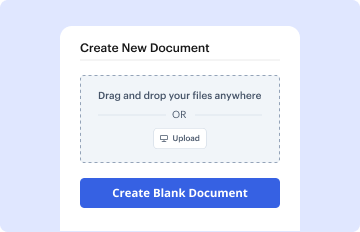
Click on New Document and select Create Blank Document to be taken to the form builder.

Step 4: Set up the form layout.

Use the DocHub features to add and configure form fields like text areas, signature boxes, images, and others to your document.

Step 5: Add text and titles.

Add needed text, such as questions or instructions, using the text tool to lead the users in your document.

Step 6: Configure field settings.

Adjust the properties of each field, such as making them compulsory or arranging them according to the data you plan to collect. Assign recipients if applicable.

Step 7: Review and save.

After you’ve managed to design the US Landlord and Tenant Law, make a final review of your document. Then, save the form within DocHub, transfer it to your selected location, or share it via a link or email.


be ready to get more

Build your US Landlord and Tenant Law in minutes

Start creating now

Got questions?

We have answers to the most popular questions from our customers. If you can't find an answer to your question, please contact us.
Contact us
Here are the 12 steps to becoming a landlord: Buy an investment property. Budget for unexpected costs. Understand landlord-tenant laws. Purchase landlord insurance. Get your property move-in ready. Determine how much rent to charge. Market the rental property. Screen prospective tenants.
Landlord-tenant law refers to the body of law regulating the rental of commercial and residential property. It controls, among other aspects of a lease: The length of a lease. The reasons a landlord may deny a potential tenants application.
State laws often require that landlords maintain habitable conditions, comply with relevant housing codes, make repairs, keep common areas in safe conditions, supply running water and heat, and maintain appliances supplied by the property. Laws in 35 states stipulate that a landlord must maintain habitable conditions.
Do I Need A License To Rent My House In California? California law does not require a specific license to become a landlord. However, regulations and requirements can vary between different cities and counties. If you choose to use a property management company, which is a service we offer, they must be licensed.
Is a rental license required to be a landlord? Pennsylvania doesnt have a statewide requirement on rental licenses. However, the City of Philadelphia does require landlords to have a license to rent to tenants.
be ready to get more

Build your US Landlord and Tenant Law in minutes

Start creating now

Related Q&A to US Landlord and Tenant Law

A rental agreement is a contract (written or oral) under which a landlord allows a tenant to use and occupy its property for short time periods. Commonly, a rental agreement has a monthly duration to the extent it expires and is renewed by the parties each month.
Landlords in the US do not have to be US citizens. They only have to be in US legally and own the property they are renting out.
A lessor may be called a landlord. A lessor is a person or legal entity that owns a property and rents it out to a lessee, who in term pays the lessor to live in their property.

Additional resources on building your forms