


Create your US Child Custody Form from scratch

Start Building Now
Title decoration

Here's how it works

01. Start with a blank US Child Custody Form
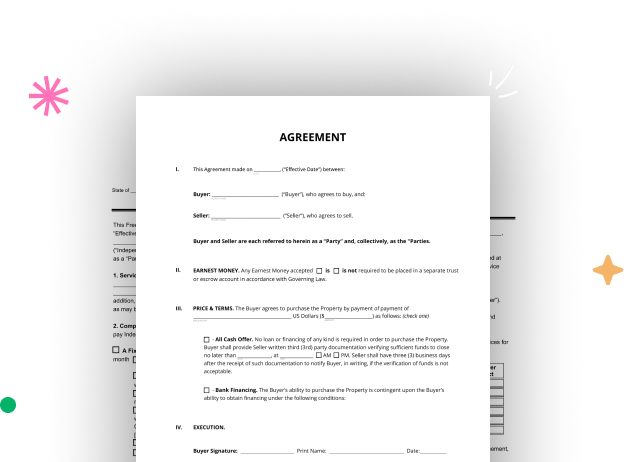
Open the blank document in the editor, set the document view, and add extra pages if applicable.
02. Add and configure fillable fields
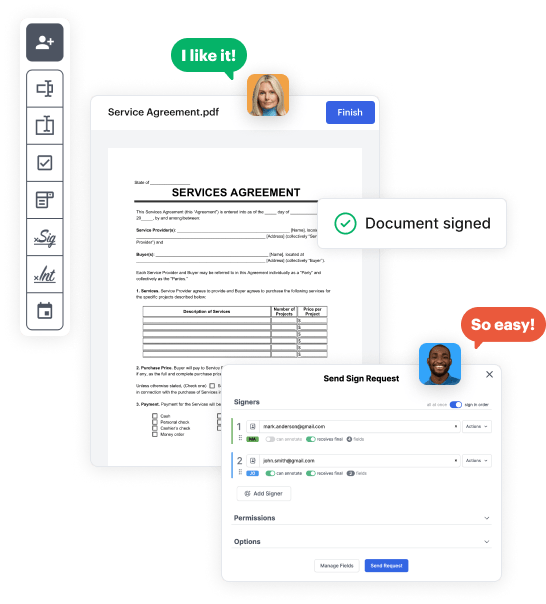
Use the top toolbar to insert fields like text and signature boxes, radio buttons, checkboxes, and more. Assign users to fields.
03. Distribute your form
Share your US Child Custody Form in seconds via email or a link. You can also download it, export it, or print it out.

Design your US Child Custody Form in a matter of minutes

Form edit decoration

Step 1: Access DocHub to set up your US Child Custody Form.

Begin by accessing your DocHub account. Explore the advanced DocHub functionality free for 30 days.

Step 2: Go to the dashboard.

Once signed in, go to the DocHub dashboard. This is where you'll create your forms and manage your document workflow.

Step 3: Design the US Child Custody Form.

Hit New Document and choose Create Blank Document to be redirected to the form builder.

Step 4: Set up the form layout.

Use the DocHub features to insert and arrange form fields like text areas, signature boxes, images, and others to your form.

Step 5: Add text and titles.

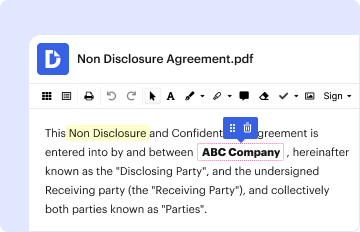
Include necessary text, such as questions or instructions, using the text tool to lead the users in your form.

Step 6: Customize field properties.

Modify the properties of each field, such as making them mandatory or arranging them according to the data you plan to collect. Designate recipients if applicable.

Step 7: Review and save.

After you’ve managed to design the US Child Custody Form, make a final review of your form. Then, save the form within DocHub, transfer it to your preferred location, or distribute it via a link or email.


be ready to get more

Build your US Child Custody Form in minutes

Start creating now

Got questions?

We have answers to the most popular questions from our customers. If you can't find an answer to your question, please contact us.
Contact us
Child Custody and Visitation (Parenting Time) Order Attachment (FL-341) States the courts decisions (orders) after a hearing about child custody and visitation (parenting time) plans that are in the childs best interest. This can be used as an attachment to many other forms, as noted at the top of form FL-341.
Conclusion. In child custody cases, what witnesses say can sway the judges ruling. Picking good witnesses, like family, coaches, doctors, social workers, psychologists, counselors, or the kids school personnel, can help a lot. They can tell the court about the kids circumstances and whats in their best interest.
Judges in Maryland make custody decisions based on the best interests of the child, considering factors such as the childs preference, the parents mental and physical health, and each parents capacity to provide a stable and nurturing environment.
Write professionally, but in your own voice dont try to sound like a lawyer. Be specific. Dont ramble or repeat yourself, and dont include irrelevant information. Dont lie or make assumptions not supported by facts and evidence include only information that you have personal knowledge of.
While no list of factors can be exhaustive given the individual characteristics of each custody case, here is a list of factors often considered by Maryland courts in custody cases: (1) fitness of parents; (2) character and reputation of parties; (3) desire of parents and agreements between parties; (4) potential of
be ready to get more

Build your US Child Custody Form in minutes

Start creating now

Related Q&A to US Child Custody Form

Mothers Rights in Child Custody In Maryland, there are only two situations in which a mother is guaranteed custody: Unmarried mothers are granted sole legal custody of their children until paternity is determined. When paternity is determined by the court, the father can then petition for custody.
The average length of a divorce or custody case in Maryland is eight months. Each case is going to vary based on the specific elements of their situation, of course.
For one parent to gain sole custody, there must be a reason that it is not in the childs interests to be in the custody of the other parent. Sole custody is more likely in circumstances where: One parent is a legally unfit parent. A parent has a history of abuse, domestic violence, or child neglect.

Additional resources on building your forms


