
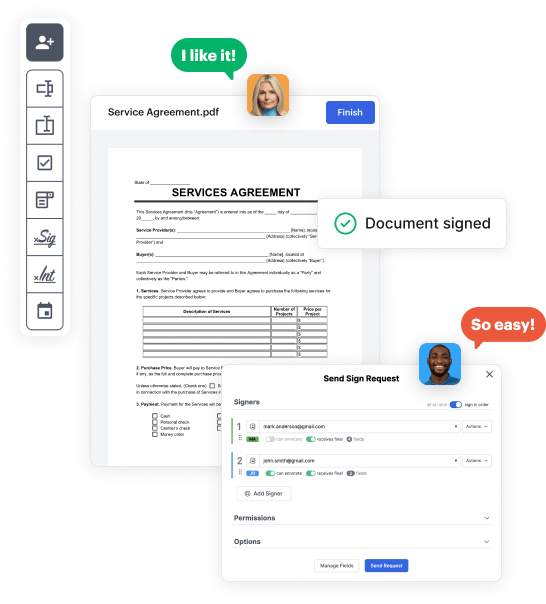
Create your Unpaid Rent Legal Form from scratch

Start Building Now
Title decoration

Here's how it works

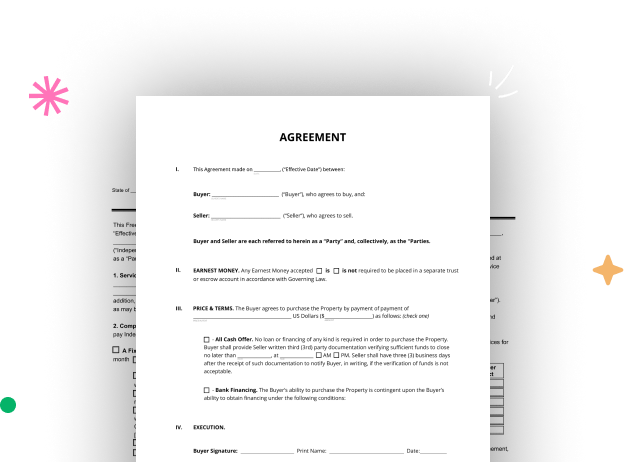
01. Start with a blank Unpaid Rent Legal Form
Open the blank document in the editor, set the document view, and add extra pages if applicable.
02. Add and configure fillable fields
Use the top toolbar to insert fields like text and signature boxes, radio buttons, checkboxes, and more. Assign users to fields.
03. Distribute your form
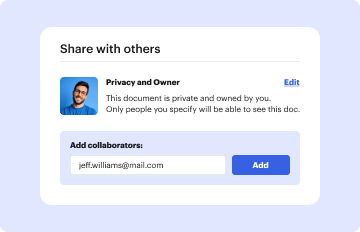
Share your Unpaid Rent Legal Form in seconds via email or a link. You can also download it, export it, or print it out.

A simple guide on how to build a polished Unpaid Rent Legal Form

Form edit decoration

Step 1: Sign in to DocHub to begin creating your Unpaid Rent Legal Form.

First, log in to your DocHub account. If you don't have one, you can easily sign up for free.

Step 2: Navigate to the dashboard.

Once logged in, navigate to your dashboard. This is your central hub for all document-centric tasks.

Step 3: Kick off new document creation.

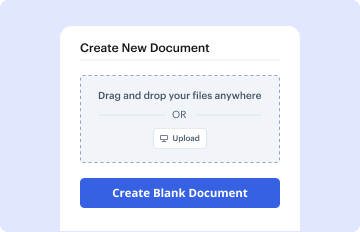
In your dashboard, click on New Document in the upper left corner. Pick Create Blank Document to craft the Unpaid Rent Legal Form from a blank slate.

Step 4: Insert form fillable areas.

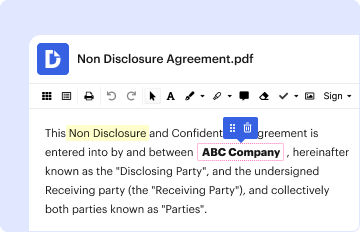
Place various items like text boxes, images, signature fields, and other options to your form and assign these fields to specific users as necessary.

Step 5: Adjust your document.

Personalize your form by including walkthroughs or any other vital details using the text option.

Step 6: Double-check and modify the form.

Attentively go over your created Unpaid Rent Legal Form for any errors or required adjustments. Utilize DocHub's editing features to polish your document.

Step 7: Send out or export the document.

After completing, save your file. You can select to keep it within DocHub, export it to various storage solutions, or forward it via a link or email.


be ready to get more

Build your Unpaid Rent Legal Form in minutes

Start creating now

Got questions?

We have answers to the most popular questions from our customers. If you can't find an answer to your question, please contact us.
Contact us
If you dont pay the rent demanded by the deadline in the rent demand, the landlord/owner can start a nonpayment case against you in Housing Court. give you more than three days notice. What do I do if I get a Notice of Petition and Petition?
Under the new Good Cause Eviction law, New Yorkers have the right to continue living in their homes without fear of unreasonable eviction or extreme rent increases. In many situations, tenants of market rate housing will now be covered by more expansive protections. Read below for details.
The statute of limitations on debt in New York state is three years. This is the amount of time that a creditor or debt collector has to sue borrowers to collect debts.
Rent collection letters should include the description/details of the missed payment, when it was due, the owed amount, and any other important information. A tenants rental agreement is the first place to look if you think they are late on their payment.
To start a nonpayment case, the landlord/owner must give you court papers called a Notice of Petition and Petition. The Notice of Petition tell you the date, time and place (courtroom or Part) when you have to come to court. The court date must be between 10 and 17 days after you get the court papers.
be ready to get more

Build your Unpaid Rent Legal Form in minutes

Start creating now

Related Q&A to Unpaid Rent Legal Form

Effective April 7, 2022, the New York statute of limitations for debt/rent collection lawsuits arising out of a consumer credit transaction is reduced from six years to three years.
Non-payment Building owners must notify the tenant that rent is late, what the balance is, and that, if not paid, the tenant will be evicted. Three days after notice is given or oral demand for the rent is made, the owner may file a nonpayment proceeding in Housing Court and serve papers on the tenant.
You can stay in a New York City apartment for 90 days without paying rent before the landlord can initiate eviction proceedings against you. This does not mean that that the landlord will take no action prior to the 90-day mark; there are several steps leading up to the eviction notice.

Additional resources on building your forms