



Create your United States Court Form from scratch

Start Building Now
Title decoration

Here's how it works

01. Start with a blank United States Court Form
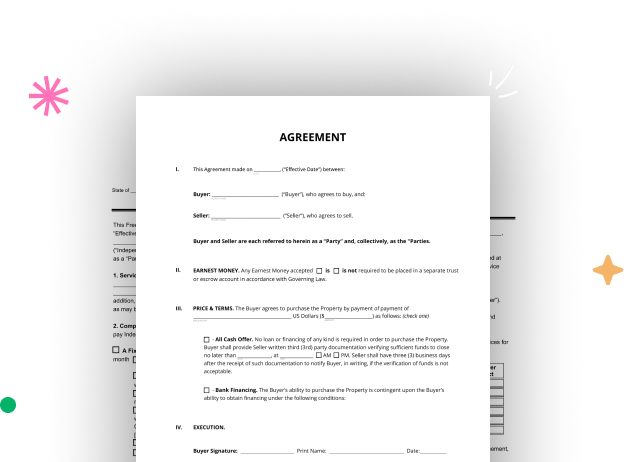
Open the blank document in the editor, set the document view, and add extra pages if applicable.
02. Add and configure fillable fields
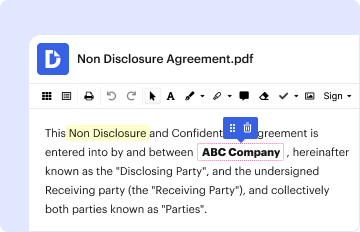
Use the top toolbar to insert fields like text and signature boxes, radio buttons, checkboxes, and more. Assign users to fields.
03. Distribute your form
Share your United States Court Form in seconds via email or a link. You can also download it, export it, or print it out.

Create your United States Court Form in a matter of minutes

Form edit decoration

Step 1: Access DocHub to set up your United States Court Form.

Start by logging into your DocHub account. Try out the advanced DocHub functionality at no cost for 30 days.

Step 2: Go to the dashboard.

Once logged in, head to the DocHub dashboard. This is where you'll build your forms and handle your document workflow.

Step 3: Design the United States Court Form.

Hit New Document and select Create Blank Document to be redirected to the form builder.

Step 4: Set up the form layout.

Use the DocHub toolset to insert and configure form fields like text areas, signature boxes, images, and others to your document.

Step 5: Add text and titles.

Include needed text, such as questions or instructions, using the text field to assist the users in your form.

Step 6: Configure field properties.

Alter the properties of each field, such as making them mandatory or arranging them according to the data you expect to collect. Designate recipients if applicable.

Step 7: Review and save.

After you’ve managed to design the United States Court Form, make a final review of your document. Then, save the form within DocHub, export it to your preferred location, or distribute it via a link or email.


be ready to get more

Build your United States Court Form in minutes

Start creating now

Got questions?

We have answers to the most popular questions from our customers. If you can't find an answer to your question, please contact us.
Contact us
State courts have general jurisdiction, meaning they have authority over all kinds of cases. Federal courts have limited jurisdiction and only hear matters involving federal questions and constitutional matters. State courts have jurisdiction over state laws.
Established by the United States Constitution, the Supreme Court began to take shape with the passage of the Judiciary Act of 1789 and has enjoyed a rich history since its first assembly in 1790.
The Constitution also grants Congress the power to establish courts inferior to the Supreme Court, and to that end Congress has established the United States district courts, which try most federal cases, and 13 United States courts of appeals, which review appealed district court cases.
state courts try cases between citizens of a state, while federal courts try disputes between states.
Federal case files are maintained electronically and are available through the internet-based Public Access to Court Electronic Records (PACER) service. PACER allows anyone with an account to search and locate appellate, district, and bankruptcy court case and docket information. Register for a PACER account.
be ready to get more

Build your United States Court Form in minutes

Start creating now

Related Q&A to United States Court Form

Jurisdiction refers to the types of cases a court may hear. State courts have general jurisdiction, meaning they have authority over all kinds of cases. Federal courts have limited jurisdiction and only hear matters involving federal questions and constitutional matters. State courts have jurisdiction over state laws.

Additional resources on building your forms


