
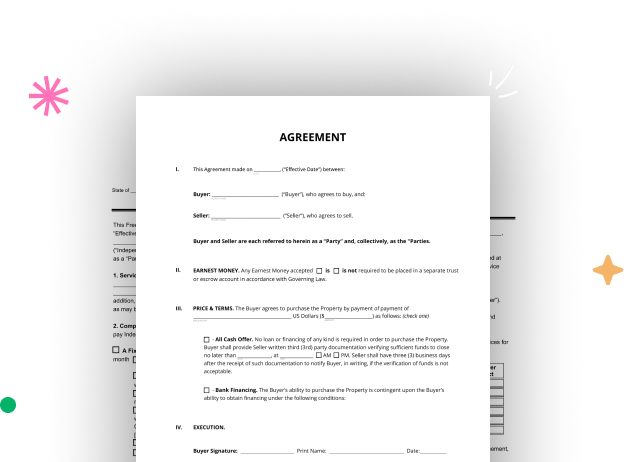

Create your Uninhabitable Premises Legal Form from scratch

Start Building Now
Title decoration

Here's how it works

01. Start with a blank Uninhabitable Premises Legal Form
Open the blank document in the editor, set the document view, and add extra pages if applicable.
02. Add and configure fillable fields
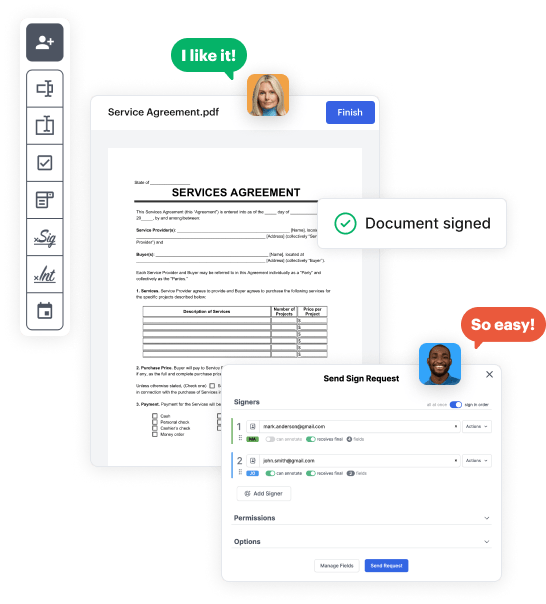
Use the top toolbar to insert fields like text and signature boxes, radio buttons, checkboxes, and more. Assign users to fields.
03. Distribute your form
Share your Uninhabitable Premises Legal Form in seconds via email or a link. You can also download it, export it, or print it out.

A quick guide on how to create a professional-looking Uninhabitable Premises Legal Form

Form edit decoration

Step 1: Log in to DocHub to create your Uninhabitable Premises Legal Form.

First, sign in to your DocHub account. If you don't have one, you can easily sign up for free.

Step 2: Head to the dashboard.

Once logged in, access your dashboard. This is your central hub for all document-focused activities.

Step 3: Launch new document creation.

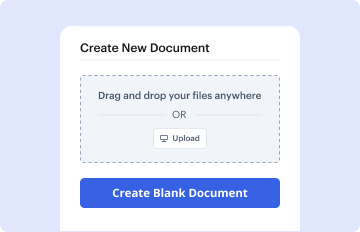
In your dashboard, hit New Document in the upper left corner. Hit Create Blank Document to build the Uninhabitable Premises Legal Form from scratch.

Step 4: Incorporate form fillable areas.

Place numerous fields like text boxes, photos, signature fields, and other interactive areas to your form and assign these fields to specific individuals as required.

Step 5: Configure your template.

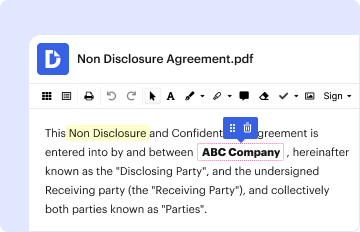
Refine your template by including directions or any other vital details utilizing the text option.

Step 6: Double-check and tweak the document.

Thoroughly examine your created Uninhabitable Premises Legal Form for any inaccuracies or needed adjustments. Utilize DocHub's editing capabilities to polish your template.

Step 7: Send out or download the template.

After finalizing, save your file. You may choose to keep it within DocHub, export it to various storage services, or send it via a link or email.


be ready to get more

Build your Uninhabitable Premises Legal Form in minutes

Start creating now

Got questions?

We have answers to the most popular questions from our customers. If you can't find an answer to your question, please contact us.
Contact us
Lack of Essential Utilities: The absence of running water, heating during cold seasons, or consistent electricity can render a property unlivable. Presence of Toxic Materials: Asbestos, lead paint, radon, or high carbon monoxide levels.
If a rental property is deemed unlivable due to the landlords failure to maintain it in a habitable condition, the tenant may have grounds to pursue legal action. Remedies may include seeking assistance from a tenant rights lawyer or vacating the premises lease agreement.
Unlivable conditions are those that jeopardize a tenants health, safety, or well-being. They include severe pest infestations, structural damage, lack of essential services (like heat or water), hazardous materials (e.g., mold, lead), inadequate sanitation, and fire safety violations.
If, at the beginning of the tenancy, a condition exists in a rental dwelling unit that constitutes a fire hazard or serious threat to the life, health, or safety of tenants or occupants of the premises, including an infestation of rodents or a lack of heat, hot or cold running water, electricity, or adequate sewage
Landlords are required to fix any problem with your rental unit that makes it uninhabitable. Although there is no strict definition of what makes a place uninhabitable, it generally refers to conditions that make the rental unit unsafe or unhealthy.
be ready to get more

Build your Uninhabitable Premises Legal Form in minutes

Start creating now

Related Q&A to Uninhabitable Premises Legal Form

The implied warranty of habitability requires landlords in NJ to ensure that rental properties are safe, hazard-free, and meet local building codes. It implies that all rental units must be maintained in a condition suitable for occupancy, with essential repairs being the responsibility of the landlord.

Additional resources on building your forms


