Handle Trust Deeds and Mortgage Forms effortlessly online

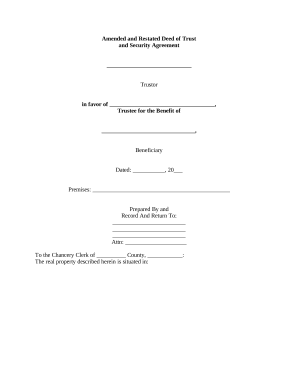
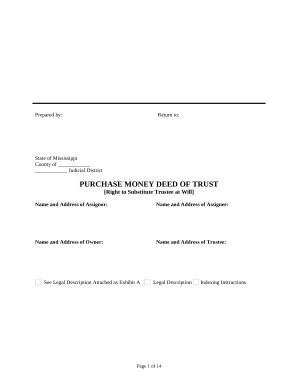
Document managing can stress you when you can’t locate all of the forms you need. Luckily, with DocHub's vast form collection, you can get all you need and promptly handle it without the need of changing among programs. Get our Trust Deeds and Mortgage Forms and start utilizing them.

How to use our Trust Deeds and Mortgage Forms using these easy steps:

  1. Browse Trust Deeds and Mortgage Forms and select the form you need.
  2. Review the template and click Get Form.
  3. Wait for it to open in our online editor.
  4. Adjust your template: include new information and pictures, and fillable fields or blackout some parts if required.
  5. Fill out your template, save modifications, and prepare it for delivering.
  6. When ready, download your form or share it with your contributors.

Try out DocHub and browse our Trust Deeds and Mortgage Forms category easily. Get your free profile today!


Video Guide on Trust Deeds and Mortgage Forms management

video background

Commonly Asked Questions about Trust Deeds and Mortgage Forms

A deed of trust is an agreement between a home buyer and a lender at the closing of a property. The agreement states that the home buyer will repay the home loan and the mortgage lender will hold the propertys legal title until the loan is paid in full.
The lender, who holds the Note, marks Paid on the Note and delivers it to the borrower. The Trustee of the Deed of Trust prepares and records a Reconveyance of Deed of Trust, and delivers it to the borrower; that effectively removes the Deed of Trust from the propertys chain of title in the County Recorders office.
A deed of trust is a legal agreement thats similar to a mortgage, which is used in real estate transactions. Whereas a mortgage only involves the lender and a borrower, a deed of trust adds a neutral third party that holds rights to the real estate until the loan is paid or the borrower defaults.
The lender records the mortgage or deed of trust in the land records to create a lien on the property. Some states use mortgages to create a lien on property, while others typically use deeds of trust. Other states use a similar-sounding instrument, like a security deed, to create security interests.
The two main differences between a mortgage and a deed of trust are: a mortgage involves two parties, while a deed of trust has three, and. mortgages are usually foreclosed judicially, while deeds of trust typically go through a nonjudicial foreclosure process (but not always).
Disadvantages of a trust deed If you do not cooperate with the trustee, they can try to make you bankrupt. You cannot continue to be the director of a limited company unless your trustee agrees and unless the rules of the limited company allow you to enter into a trust deed.
What Is A Deed Of Trust? A deed of trust is an agreement between a home buyer and a lender at the closing of a property. The agreement states that the home buyer will repay the home loan and the mortgage lender will hold the propertys legal title until the loan is paid in full. Deed Of Trust: A Definition | Rocket Mortgage rocketmortgage.com learn deed-of-trust rocketmortgage.com learn deed-of-trust
Contracts, not loans: Neither document serves as the actual loan agreement; a deed of trust or mortgage is a contract that places a lien on your property and dictates how your lender can repossess the property through foreclosure.