


Create your Trust Deed Legal Form from scratch

Start Building Now
Title decoration

Here's how it works

01. Start with a blank Trust Deed Legal Form
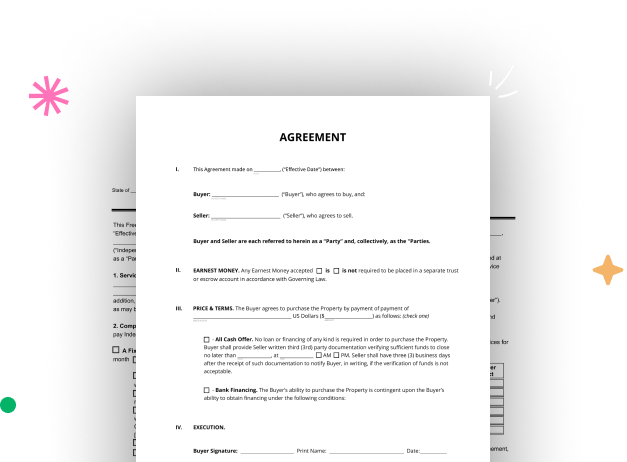
Open the blank document in the editor, set the document view, and add extra pages if applicable.
02. Add and configure fillable fields
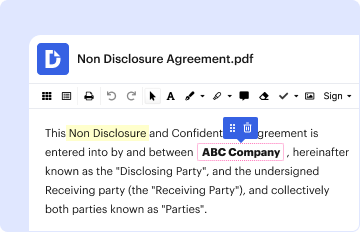
Use the top toolbar to insert fields like text and signature boxes, radio buttons, checkboxes, and more. Assign users to fields.
03. Distribute your form
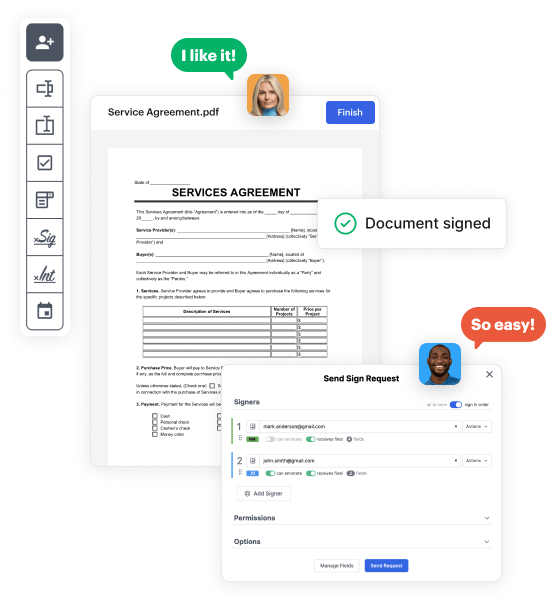
Share your Trust Deed Legal Form in seconds via email or a link. You can also download it, export it, or print it out.

Craft Trust Deed Legal Form from the ground up with these comprehensive guidelines

Form edit decoration

Step 1: Open DocHub and get going.

Begin by creating a free DocHub account using any offered sign-up method. Simply log in if you already have one.

Step 2: Sign up for a 30-day free trial.

Try out the whole suite of DocHub's advanced features by registering for a free 30-day trial of the Pro plan and proceed to build your Trust Deed Legal Form.

Step 3: Create a new empty form.

In your dashboard, choose the New Document button > scroll down and choose to Create Blank Document. You’ll be taken to the editor.

Step 4: Organize the document’s view.

Use the Page Controls icon indicated by the arrow to switch between different page views and layouts for more flexibility.

Step 5: Begin by adding fields to design the dynamic Trust Deed Legal Form.

Explore the top toolbar to add document fields. Insert and format text boxes, the signature block (if applicable), add photos, and other elements.

Step 6: Prepare and configure the added fields.

Arrange the fields you added per your preferred layout. Adjust the size, font, and alignment to ensure the form is easy to use and professional.

Step 7: Finalize and share your form.

Save the finalized copy in DocHub or in platforms like Google Drive or Dropbox, or create a new Trust Deed Legal Form. Share your form via email or get a public link to engage with more people.


be ready to get more

Build your Trust Deed Legal Form in minutes

Start creating now

Got questions?

We have answers to the most popular questions from our customers. If you can't find an answer to your question, please contact us.
Contact us
In California, there are three steps to getting a copy of a trust document: Make a written demand for a copy of the Trust and its amendments, if any; Wait 60 days; and. If you do not receive a copy of the Trust within 60 days of making your written demand, file a petition with the probate court.
The disadvantages of protected trust deeds are: paying regular contributions you will have to pay contributions towards your debts for at least 4 years. credit rating having a trust deed will affect your credit rating for 6 years from the date the trust deed begins.
A deed of trust, also called a trust deed, is the functional equivalent of a mortgage. It does not transfer the ownership of real property, as the typical deed does. Like a mortgage, a trust deed makes a piece of real property security (collateral) for a loan.
What is the Difference Between a Deed and a Deed of Trust? The primary difference between a deed and a deed of trust is the purpose of each document. A deed transfers ownership of a property from one party to another, while a deed of trust secures a loan on a property.
How to get a Deed of Trust The borrower, lender, and trustees names and addresses. The property address. The amount being borrowed. The interest rate. The interest adjustment date. The frequency of principal and interest payments. The payment amounts and due dates. The due date of the final payment.
be ready to get more

Build your Trust Deed Legal Form in minutes

Start creating now

Related Q&A to Trust Deed Legal Form

The Deed of Trust must be in writing, signed by the property owner, and filed in the County Clerk property records. The Deed of Trust should describe the loan amount, name a Trustee, and describe the collateral securing the loan. A correct legal description of the property is essential for a valid Deed of Trust.
A deed of trust, also known as a trust deed, is a document sometimes used in financed real estate transactions, generally instead of a mortgage. A deed is a signed legal document that transfers the title of an asset to a new holder, granting them the privilege of ownership.
Contact a licensed Insolvency Practitioner (IP). Your money adviser might be able to recommend one to you. Theyre the only people who can arrange a trust deed and theyll be your trustee. The trustee is someone qualified to manage your trust deed.

Additional resources on building your forms