

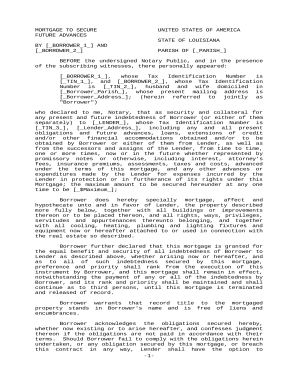
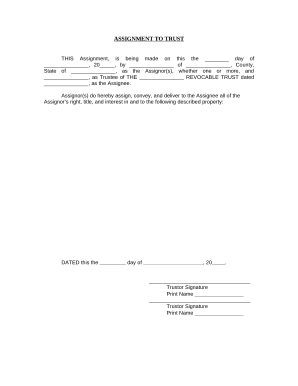
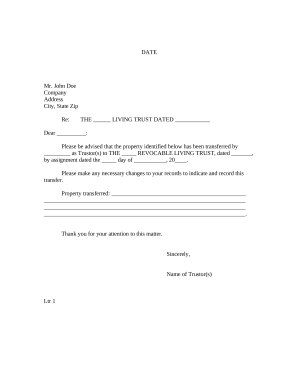
Get and handle Trust and Estate Planning Documents online

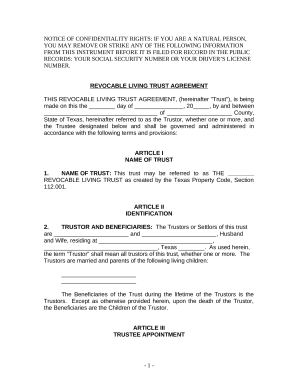
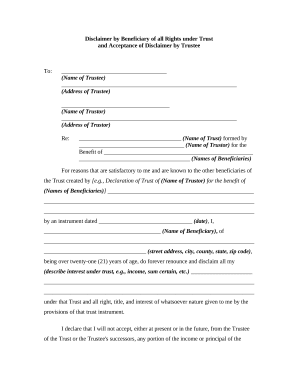
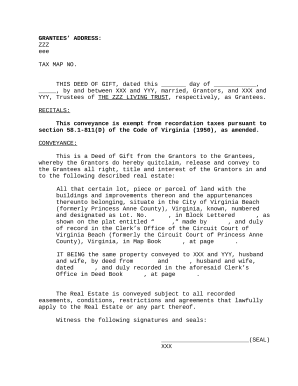
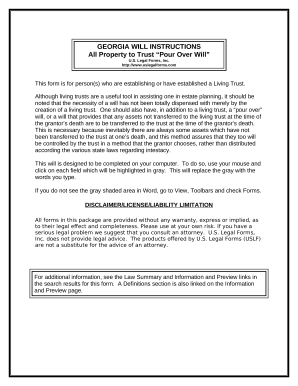
Improve your document administration with the Trust and Estate Planning Documents online library with ready-made form templates that meet your needs. Get the form template, alter it, fill it, and share it with your contributors without breaking a sweat. Start working more efficiently with your documents.

How to use our Trust and Estate Planning Documents:

  1. Open our Trust and Estate Planning Documents and find the form you need.
  2. Preview your document to ensure it’s what you want, and click on Get Form to start working on it.
  3. Edit, add new text, or point out important information with DocHub tools.
  4. Complete your form and preserve the modifications.
  5. Download or share your form with other recipients.

Examine all the possibilities for your online file administration with the Trust and Estate Planning Documents. Get your free free DocHub profile today!


Video Guide on Trust and Estate Planning Documents management

video background

Commonly Asked Questions about Trust and Estate Planning Documents

Estate planning involves determining how an individuals assets will be preserved, managed, and distributed after death. It also takes into account the management of an individuals properties and financial obligations in the event that they become incapacitated.
Contents. A comprehensive estate plan typically includes four estate planning documents. These documents include a financial power of attorney, an advance care directive, and a living trust or a last will. Heres what each of these documents accomplishes.
Estate planning covers the transfer of property at death as well as a variety of other personal matters and may or may not involve tax planning. The core document most often associated with this process is your will.
A revocable living trust provides you with more flexibility. You can use it to protect your assets in case of incapacity and to avoid having assets transfer through probate, but cannot use it to protect against creditor claims or avoid estate taxes. An irrevocable trust provides you with more protection.
Key Takeaways Common estate planning documents are wills, trusts, powers of attorney, and living wills.
The Estate Planning Must-Haves. Wills and Trusts. Durable Power of Attorney. Beneficiary Designations. Letter of Intent. Healthcare Power of Attorney. Guardianship Designations. Estate Planning FAQs.
Trusts and estates are the two main legal structures for transferring assets to your heirs and beneficiaries. Each works in critically different ways. Estates make a one-time transfer of your assets after death. Trusts, meanwhile, allow you to create an ongoing transfer of assets both before and after death. Estate vs. Trust: Whats the Difference? - SmartAsset smartasset.com estate-planning estate-vs-trust smartasset.com estate-planning estate-vs-trust
