

Create your Trust and Estate Legal Form from scratch

Start Building Now
Title decoration

Here's how it works

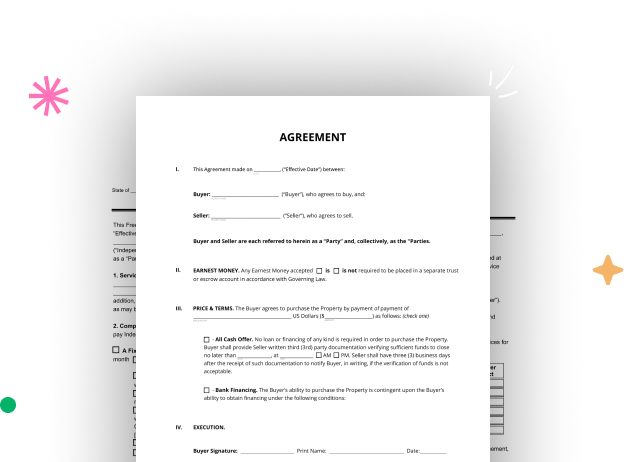
01. Start with a blank Trust and Estate Legal Form
Open the blank document in the editor, set the document view, and add extra pages if applicable.
02. Add and configure fillable fields
Use the top toolbar to insert fields like text and signature boxes, radio buttons, checkboxes, and more. Assign users to fields.
03. Distribute your form
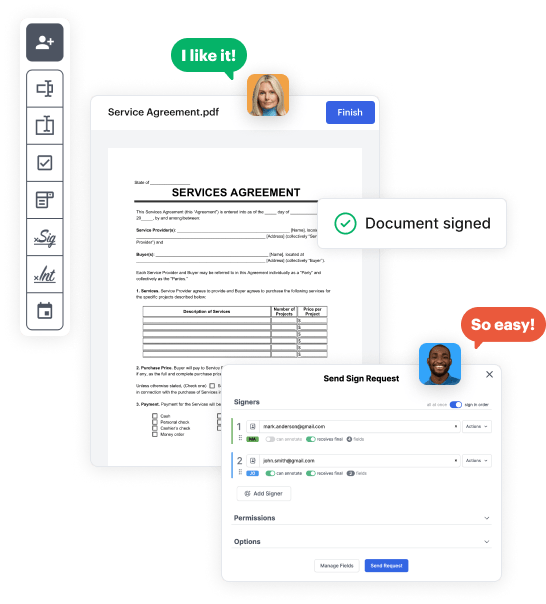
Share your Trust and Estate Legal Form in seconds via email or a link. You can also download it, export it, or print it out.

A quick tutorial on how to build a professional-looking Trust and Estate Legal Form

Form edit decoration

Step 1: Log in to DocHub to begin creating your Trust and Estate Legal Form.

First, log in to your DocHub account. If you don't have one, you can simply register for free.

Step 2: Head to the dashboard.

Once signed in, go to your dashboard. This is your primary hub for all document-focused tasks.

Step 3: Launch new document creation.

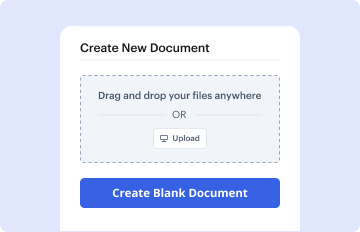
In your dashboard, click on New Document in the upper left corner. Pick Create Blank Document to put together the Trust and Estate Legal Form from a blank slate.

Step 4: Incorporate template elements.

Add different fields like text boxes, images, signature fields, and other elements to your template and designate these fields to certain individuals as needed.

Step 5: Personalize your document.

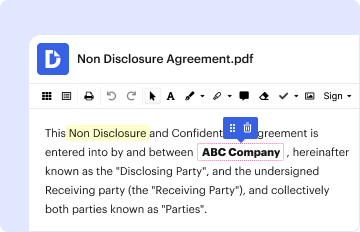
Personalize your document by including instructions or any other essential details leveraging the text tool.

Step 6: Review and refine the content of the form.

Attentively examine your created Trust and Estate Legal Form for any inaccuracies or needed adjustments. Leverage DocHub's editing tools to polish your document.

Step 7: Share or download the document.

After finalizing, save your copy. You may select to save it within DocHub, export it to various storage solutions, or forward it via a link or email.


be ready to get more

Build your Trust and Estate Legal Form in minutes

Start creating now

Got questions?

We have answers to the most popular questions from our customers. If you can't find an answer to your question, please contact us.
Contact us
The assets you cannot put into a trust include the following: Medical savings accounts (MSAs) Health savings accounts (HSAs) Retirement assets: 403(b)s, 401(k)s, IRAs. Any assets that are held outside of the United States. Cash. Vehicles.
Disadvantages of Putting Your House in a Trust Loss of Direct Ownership. Potential Complexity and Administrative Burden. Potential for Increased Costs. No Asset Protection Benefits. Limited Tax Advantages. No Protection Against Creditors.
The 4 Biggest Mistakes Parents Make When Setting Up a Trust Fund Not choosing the right Trustee. Choosing the wrong Trustee is a common mistake parents make. Not being clear about the goals of the Trust. Not including asset protection provisions. Not reviewing the Trust annually.
In general, Form 8855, Election To Treat a Qualified Revocable Trust as Part of an Estate, must be filed by the due date for Form 1041 for the first tax year of the related estate. This applies even if the combined related estate and electing trust dont have sufficient income to be required to file Form 1041.
be ready to get more

Build your Trust and Estate Legal Form in minutes

Start creating now


