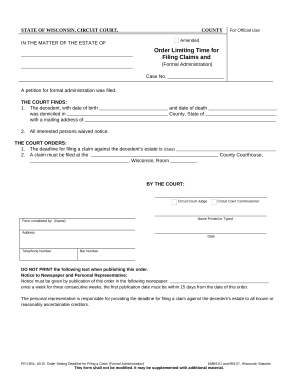
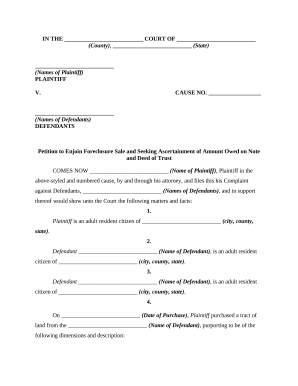
Transform your file management with Trust and Estate Legal Documents

Your workflows always benefit when you can easily get all the forms and documents you need on hand. DocHub provides a a huge library of templates to relieve your day-to-day pains. Get a hold of Trust and Estate Legal Documents category and quickly find your document.

Begin working with Trust and Estate Legal Documents in several clicks:

  1. Open Trust and Estate Legal Documents and get the document you require.
  2. Click on Get Form to open it in our online editor.
  3. Start editing your file: add more fillable fields, highlight paragraphs, or blackout sensitive details.
  4. The app saves your modifications automatically, and once you are all set, you are able to download or share your form with other contributors.

Enjoy effortless record managing with DocHub. Discover our Trust and Estate Legal Documents online library and get your form right now!


Video Guide on Trust and Estate Legal Documents management

video background

Commonly Asked Questions about Trust and Estate Legal Documents

In an emergency, its crucial to have a few essential legal estate documents readily accessible, such as a Last Will and Testament, Advance Healthcare Directive, Durable Power of Attorney (aka Financial Power of Attorney), and Living Will.
Get a head-start on planning and follow these 7 easy steps: Take Inventory of Your Estate. First, narrow down what belongs to you. Set a Will in Place. Form a Trust. Consider Your Healthcare Options. Opt for Life Insurance. Store All Important Documents in One Place. Hire an Attorney from Angermeier Rogers.
A will or trust should be one of the main components of every estate plan, even if you dont have substantial assets. Wills ensure property is distributed ing to an individuals wishes (if drafted ing to state laws). Some trusts help limit estate taxes or legal challenges.
A deed of trust is a legal document that transfers the legal title of a property to a third party. Certain trusts may need to be registered with HMRC, further guidance on trusts can be found here: Register a trust as a trustee.
These documents include a financial power of attorney, an advance care directive, and a living trust or a last will.
4 Documents Suze Orman Says You Need Will. A will is a legal document that, among other things, outlines where you want your assets to go after you die. Living Revocable Trust. Durable Power of Attorney for Healthcare. Advance Directive.
Common estate planning documents are wills, trusts, powers of attorney, and living wills. Everyone can benefit from having a will, no matter how small their estate or simple their wishes. Online estate planning services offer basic packages for less than $200.
Living trusts Property that is placed in a living trust for beneficiaries is shielded from being included in the estate. Instead, it will vest in the named beneficiaries in the trust deed. Living trusts can be revocable or irrevocable in nature.