
Create your Tenant to Landlord Legal Form from scratch

Start Building Now
Title decoration

Here's how it works

01. Start with a blank Tenant to Landlord Legal Form
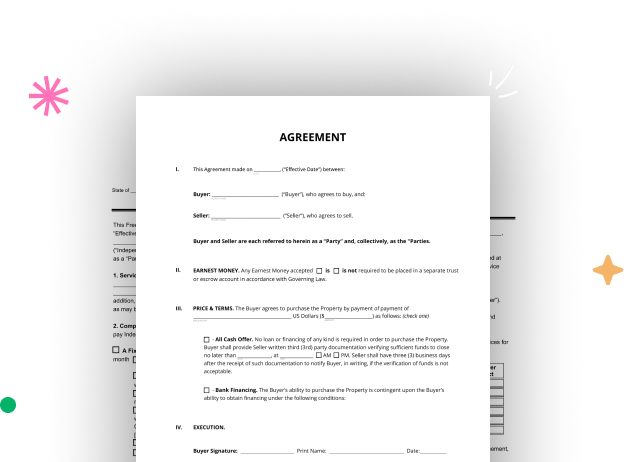
Open the blank document in the editor, set the document view, and add extra pages if applicable.
02. Add and configure fillable fields
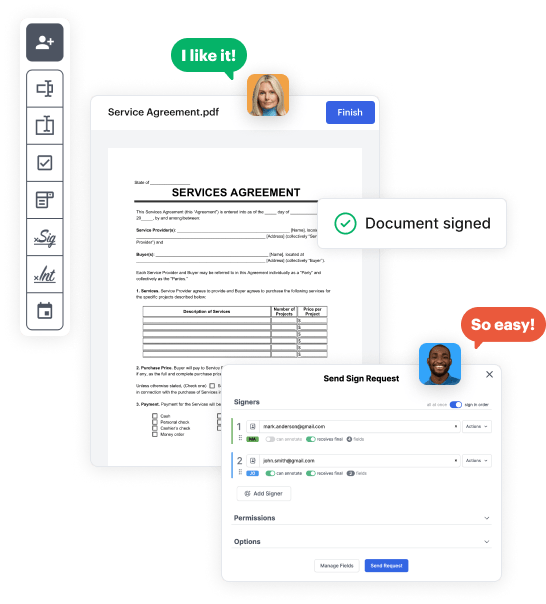
Use the top toolbar to insert fields like text and signature boxes, radio buttons, checkboxes, and more. Assign users to fields.
03. Distribute your form
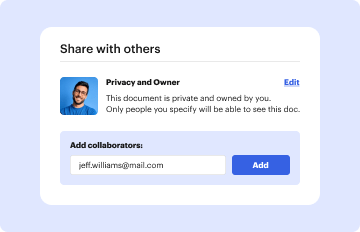
Share your Tenant to Landlord Legal Form in seconds via email or a link. You can also download it, export it, or print it out.

A simple guide on how to create a professional-looking Tenant to Landlord Legal Form

Form edit decoration

Step 1: Log in to DocHub to create your Tenant to Landlord Legal Form.

First, sign in to your DocHub account. If you don't have one, you can easily register for free.

Step 2: Navigate to the dashboard.

Once logged in, navigate to your dashboard. This is your main hub for all document-based activities.

Step 3: Launch new document creation.

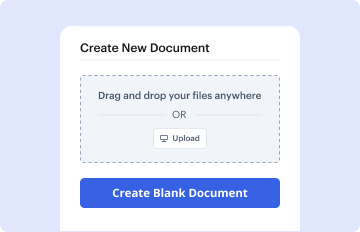
In your dashboard, hit New Document in the upper left corner. Hit Create Blank Document to craft the Tenant to Landlord Legal Form from a blank slate.

Step 4: Add template elements.

Add different fields like text boxes, photos, signature fields, and other options to your template and designate these fields to particular recipients as needed.

Step 5: Customize your document.

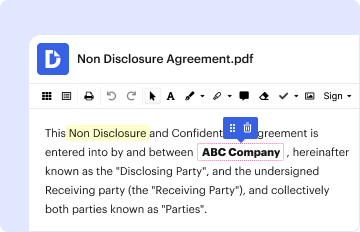
Refine your form by inserting instructions or any other necessary information leveraging the text tool.

Step 6: Review and adjust the document.

Meticulously review your created Tenant to Landlord Legal Form for any mistakes or required adjustments. Take advantage of DocHub's editing capabilities to polish your document.

Step 7: Send out or export the document.

After completing, save your copy. You may select to keep it within DocHub, transfer it to various storage options, or send it via a link or email.


be ready to get more

Build your Tenant to Landlord Legal Form in minutes

Start creating now

Got questions?

We have answers to the most popular questions from our customers. If you can't find an answer to your question, please contact us.
Contact us
Even if you do not currently hold a lease, by law the landlord is responsible for keeping the rental space secure and livable. This means the landlord must ensure that the property is pest free, structurally sound, and includes basic utilities.
The Landlord Identity Law, N.J.S.A. 46:8-27, et seq., requires landlords who rent property to tenants to file a Landlord Identity Registration Form or obtain a Certificate of Registration from the Bureau of Housing Inspection of the Department of Community Affairs.
Steps to Add a Tenant to an Existing Lease Acquire a Written Request to Add a Tenant. Check the Units Occupancy Limit. Require a Completed Rental Application. Screen and Approve/Deny the New Tenant. Review the Details With Each Tenant.
By law, every landlord of a dwelling, except owner- occupied premises with not more than two (2) rental units, must file with the clerk of the municipality in which the residential property is situated, or with the Bureau of Housing Inspection in the Department of Community Affairs, a certificate of registration (
Under N.J.S.A. 46:8-27 and N.J.S.A. 55:13A-1, all landlords of residential rental dwellings in the State of New Jersey are required to register their rental units.
be ready to get more

Build your Tenant to Landlord Legal Form in minutes

Start creating now

Related Q&A to Tenant to Landlord Legal Form

Is a rental license required to be a residential landlord? No, but New Jersey does require landlords to file a Landlord Identity Registration Form or obtain a Certificate of Registration from the Bureau of Housing Inspection of the Department of Community Affairs.
Tenants have the right to privacy in their rented homes and can refuse entry to landlords who do not provide proper notice or have an illegitimate reason for entry. If this right is violated, tenants can take legal action to prevent continued violations and potentially seek damages.
Fill out the tenancy details: Name: Enter a name for the new tenancy. Description: Optionally, enter a description for the new tenancy. Service Namespace: Set a unique namespace for all resources created within this tenancy. Authentication Credentials: Set a user name and password for the primary tenancy administrator.

Additional resources on building your forms


