Get and handle Tenant Screening online

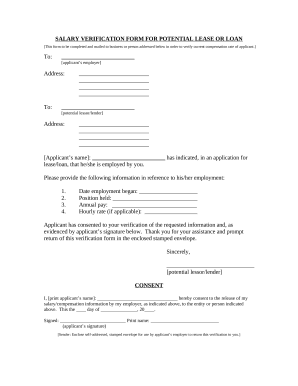
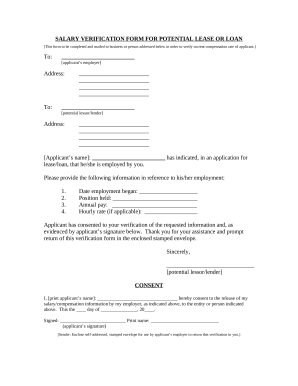
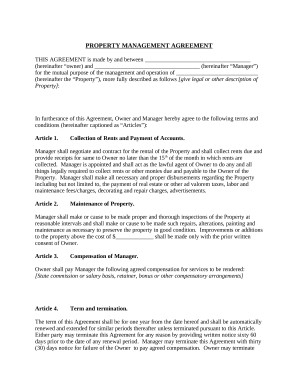
Boost your form administration with our Tenant Screening online library with ready-made templates that suit your needs. Get your document, modify it, complete it, and share it with your contributors without breaking a sweat. Begin working more effectively with the forms.

The best way to manage our Tenant Screening:

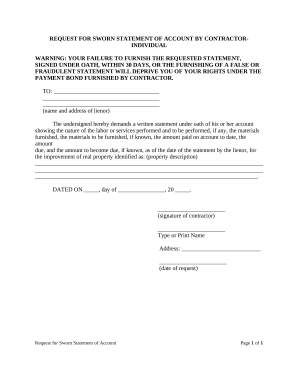
  1. Open our Tenant Screening and look for the form you want.
  2. Preview your form to ensure it’s what you want, and click Get Form to start working on it.
  3. Change, add new text, or highlight important information with DocHub features.
  4. Prepare your form and save the adjustments.
  5. Download or share your document template with other people.

Examine all the opportunities for your online file management with the Tenant Screening. Get a free free DocHub profile right now!


Commonly Asked Questions about Tenant Screening

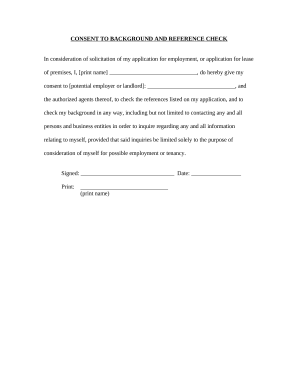
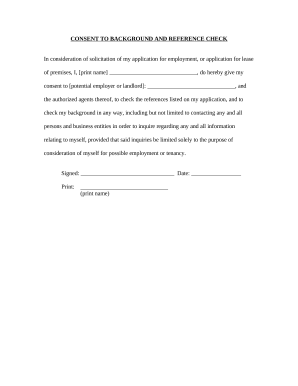
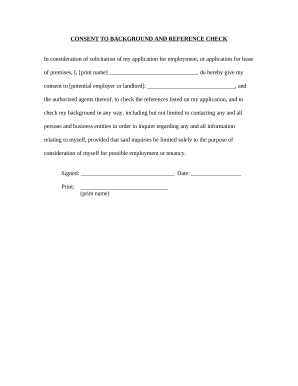
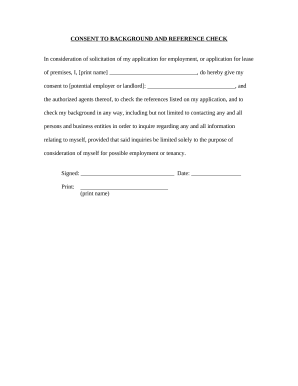
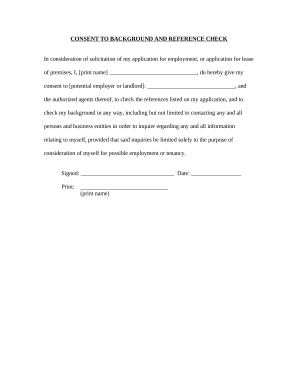
Landlords must obtain written consent from applicants before conducting any credit or background checks. Landlords must also avoid asking direct or indirect questions that may reveal a persons protected class. This confirms that the screening process is transparent and respects the applicants privacy.
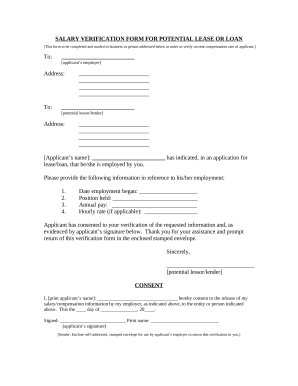
Tenant screening is used primarily by residential landlords and property managers to evaluate prospective tenants. The purpose is to assess the likelihood the tenant will fulfill the terms of the lease or rental agreement and will also take great care of the rental property in question.
At the forefront of this protective barrier stands the Fair Housing Acta federal mandate with a clear directive: landlords cannot discriminate. New Yorks own legal framework echoes these sentiments, holding property owners to a high standard of fairness and rejecting any form of arbitrary discrimination.
What background checks can landlords run in California? With the applicants written consent, landlords can conduct credit checks, criminal background checks, eviction history checks, and verify rental history with previous landlords.
In New York, landlords can screen potential tenants through credit checks, criminal background checks, and eviction records. However, they must comply with fair housing laws to avoid discrimination.
Housing providers have a right to set financial and credit qualifications, a process that provides some assurance that the applicant will be a good tenant. Qualifications and inquiries must be applied equally to all applicants and must not be influenced by race, national origin, or other protected factors.
With Avail, a rental background check typically includes the following three main reports: a credit, criminal, and eviction history report. A credit report: Landlords can request a credit report from TransUnion to view the applicants credit score, credit utilization, payment history, and account summaries.
Learn how to better spot these warning signs below. Some renter warning signs are as obvious. Frequent evictions, a history of relevant crimes, and lack of income might stick out like an over-sized elephant wearing a red flag for a hat.