Create your Tenant Protection Form from scratch

Start Building Now
Title decoration

Here's how it works

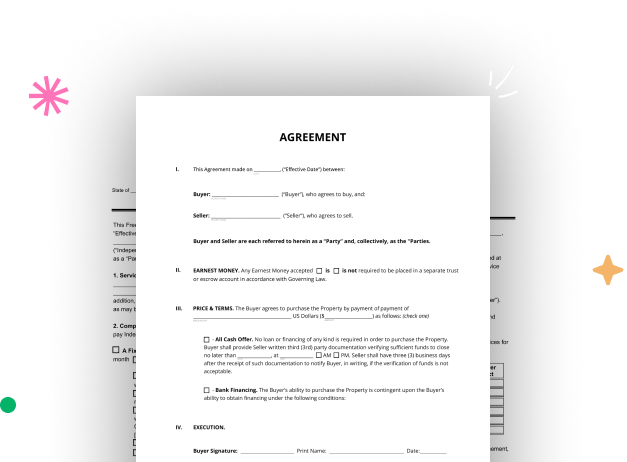
01. Start with a blank Tenant Protection Form
Open the blank document in the editor, set the document view, and add extra pages if applicable.
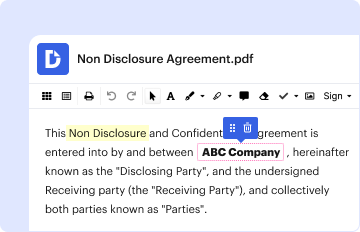
02. Add and configure fillable fields
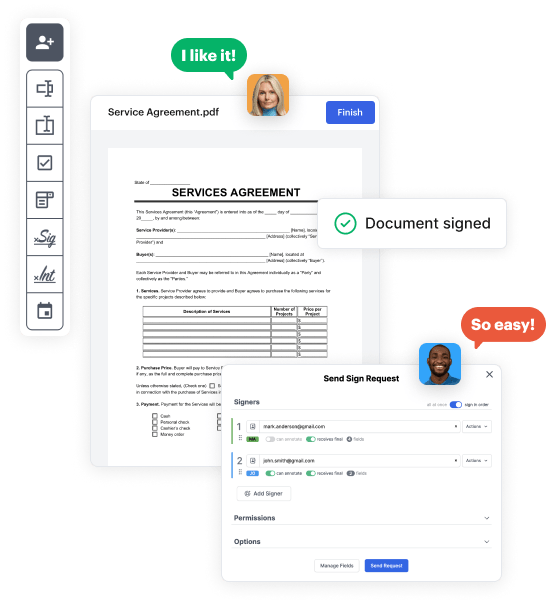
Use the top toolbar to insert fields like text and signature boxes, radio buttons, checkboxes, and more. Assign users to fields.
03. Distribute your form
Share your Tenant Protection Form in seconds via email or a link. You can also download it, export it, or print it out.

Create your Tenant Protection Form in a matter of minutes

Form edit decoration

Step 1: Access DocHub to build your Tenant Protection Form.

Begin by accessing your DocHub account. Try out the advanced DocHub functionality at no cost for 30 days.

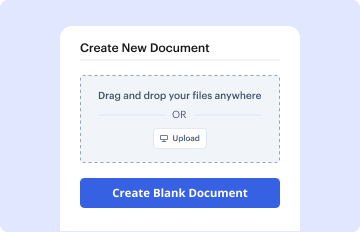
Step 2: Go to the dashboard.

Once signed in, head to the DocHub dashboard. This is where you'll build your forms and handle your document workflow.

Step 3: Design the Tenant Protection Form.

Hit New Document and select Create Blank Document to be redirected to the form builder.

Step 4: Design the form layout.

Use the DocHub tools to add and arrange form fields like text areas, signature boxes, images, and others to your document.

Step 5: Insert text and titles.

Add needed text, such as questions or instructions, using the text tool to assist the users in your document.

Step 6: Configure field properties.

Modify the properties of each field, such as making them mandatory or arranging them according to the data you plan to collect. Assign recipients if applicable.

Step 7: Review and save.

After you’ve managed to design the Tenant Protection Form, make a final review of your document. Then, save the form within DocHub, export it to your preferred location, or distribute it via a link or email.


be ready to get more

Build your Tenant Protection Form in minutes

Start creating now

Got questions?

We have answers to the most popular questions from our customers. If you can't find an answer to your question, please contact us.
Contact us
You are protected against a lockout Lockouts are illegal, no matter your immigration status. You are protected against a lockout if you have lived in the same place for at least 30 days, even if you did not sign a lease. If you signed a lease, you are protected against a lockout as soon as you move in.
In rent controlled apartments statewide and in rent stabilized apartments outside New York City, a landlord may not evict a senior citizen, a person living with a disability, or any person who has been living in the apartment for 15 years or more for purposes of owner occupancy (NYC Admin.
Owners Right to Access An owner may enter a rented unit to inspect the premises, make repairs, supply services and, if the lease so provides, to show the property to prospective purchasers, tenants and others. The owner may only enter at reasonable times and, if the lease so provides, only after advance notice.
Generally no. However, a landlord may enter a tenants apartment in some situations. Your landlord can enter your apartment at any time and without notice in an emergency, and at a reasonable time after providing appropriate notice if the entry is either: To provide necessary or agreed upon repairs or services, or.
To create a new tenant Sign in to the Azure portal. From the Azure portal menu, select Microsoft Entra ID. Navigate to Identity Overview Manage tenants. Select Create. On the Basics tab, select the type of tenant you want to create, either Microsoft Entra ID or Microsoft Entra ID (B2C).
be ready to get more

Build your Tenant Protection Form in minutes

Start creating now

Related Q&A to Tenant Protection Form

Create a new tenant In the upper-right of Partner Center, select Settings Account settings. Under Organization profile, select Tenants. On the Developer tab, select Create. Enter the directory information for your new Microsoft Entra ID: Select Create to confirm the new domain and account info.
Under New York States Rent Regulation Laws, harassment is defined as conduct by a landlord that directly or indirectly interferes with, or is intended to interfere with, your privacy, comfort, and enjoyment of your dwelling.
A Tenant Protection Plan (TPP) outlines what steps the contractor and your building owner will take to protect tenants when construction or renovation happens while tenants are living in the building. The TPP works to avoid or limit service disruptions and lessen the negative impacts of construction.

Additional resources on building your forms