
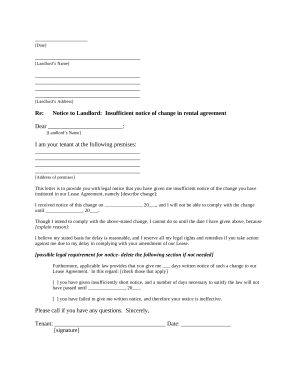
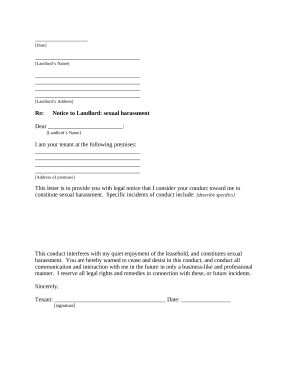
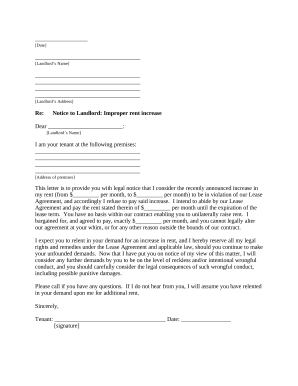
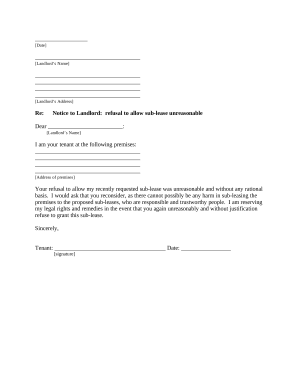
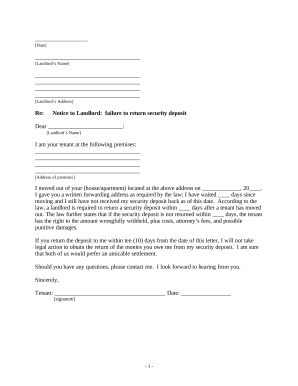
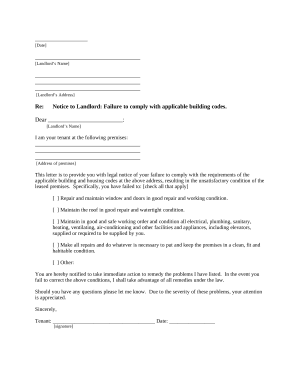
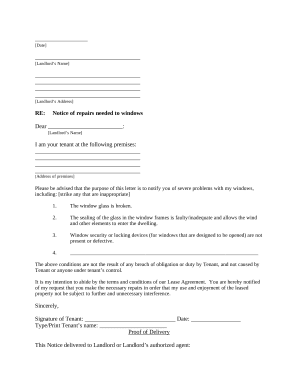
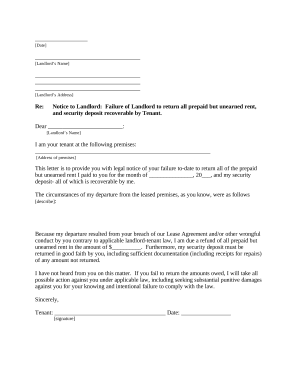
Get and manage Tenant-Landlord Disputes online

Boost your document managing with our Tenant-Landlord Disputes library with ready-made form templates that suit your requirements. Access your document template, alter it, complete it, and share it with your contributors without breaking a sweat. Start working more effectively with your documents.

How to use our Tenant-Landlord Disputes:

  1. Open our Tenant-Landlord Disputes and look for the form you need.
  2. Preview your document to ensure it’s what you want, and click on Get Form to start working on it.
  3. Change, include new text, or point out important information with DocHub tools.
  4. Complete your form and save the modifications.
  5. Download or share your form with other people.

Discover all the possibilities for your online file management with our Tenant-Landlord Disputes. Get a free free DocHub profile right now!


Video Guide on Tenant-Landlord Disputes management

video background

Commonly Asked Questions about Tenant-Landlord Disputes

Under the new Good Cause Eviction law, New Yorkers have the right to continue living in their homes without fear of unreasonable eviction or extreme rent increases. In many situations, tenants of market rate housing will now be covered by more expansive protections. Read below for details.
Tenants Rights and Responsibilities. In New York City, tenants have many rights relating to the safety and quality of their housing. Tenants should expect to live in safe, well-maintained buildings that are free from vermin, leaks, and hazardous conditions. Laws protect tenants from harassment and discrimination.
Take a look at the suggestions below on how to deal with difficult or even terrible tenants. Be calm, objective, and rational. Keep written records of everything. Teach tenants how they should treat you. Try to get your tenants on your side. Ask the terrible tenants to leave. Begin the eviction process.
You can make a formal complaint by writing a letter to your landlord. Explain your problem and what you want them to do to solve it. Tell them what rights you have and what you think they should have done. Talk to an adviser at your nearest Citizens Advice to find out what rights you have.
When conflicts arise between tenants, it is often helpful for landlords to take on the role of a mediator rather than devolving into petty and useless arguing. As an impartial third party, landlords can facilitate communication between tenants and encourage them to find mutually agreeable solutions.
Make a complaint to a designated person (your MP, a local councillor or a tenant panel) if you cannot resolve the problem with your landlord. Contact your council or local authority if you and your landlord still cannot resolve the problem.
Handling Landlord/Tenant Disputes The Right Way Prevention is better than cure. It may be an old saying, but its one youd do well to heed as a landlord. Stay calm. Meet up. Keep records. Hire a professional mediator. Be willing to compromise. Take on a specialist solicitor.
As a tenant, you have the right to: live in a property thats safe and in a good state of repair. have your deposit returned when the tenancy ends - and in some circumstances have your deposit protected. challenge excessively high charges.
