
Create your Tenant-Landlord Dispute Letter from scratch

Start Building Now
Title decoration

Here's how it works

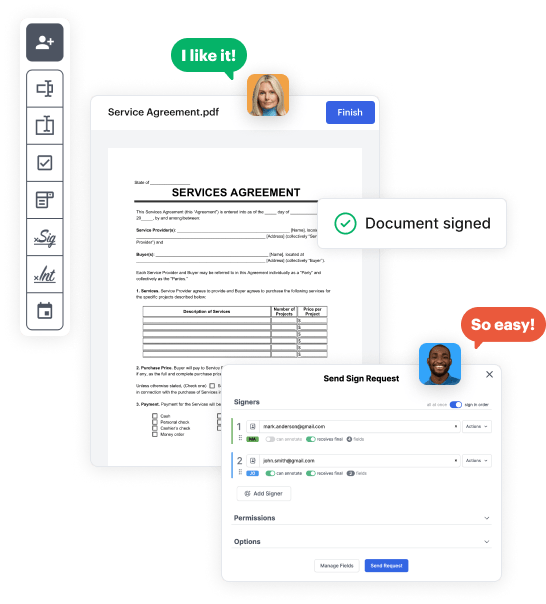
01. Start with a blank Tenant-Landlord Dispute Letter
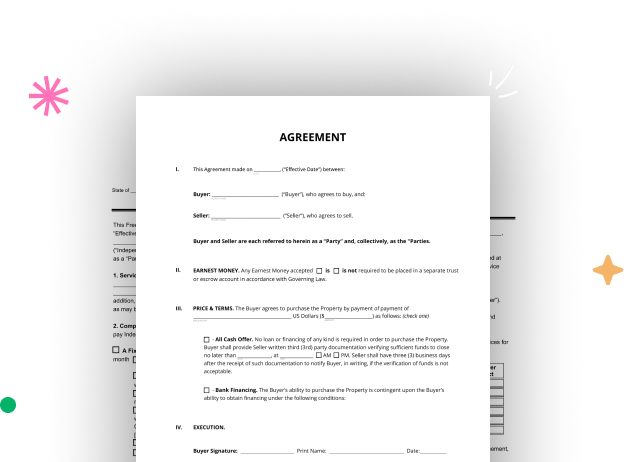
Open the blank document in the editor, set the document view, and add extra pages if applicable.
02. Add and configure fillable fields
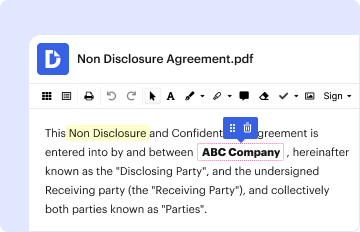
Use the top toolbar to insert fields like text and signature boxes, radio buttons, checkboxes, and more. Assign users to fields.
03. Distribute your form
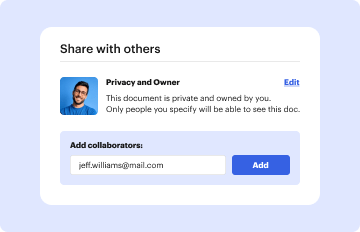
Share your Tenant-Landlord Dispute Letter in seconds via email or a link. You can also download it, export it, or print it out.

A quick tutorial on how to build a professional-looking Tenant-Landlord Dispute Letter

Form edit decoration

Step 1: Sign in to DocHub to create your Tenant-Landlord Dispute Letter.

First, log in to your DocHub account. If you don't have one, you can simply register for free.

Step 2: Head to the dashboard.

Once signed in, navigate to your dashboard. This is your primary hub for all document-centric tasks.

Step 3: Initiate new document creation.

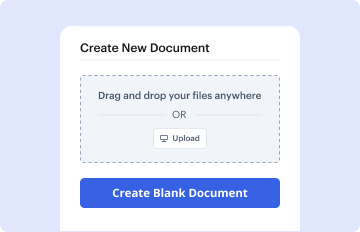
In your dashboard, click on New Document in the upper left corner. Opt for Create Blank Document to create the Tenant-Landlord Dispute Letter from scratch.

Step 4: Add form elements.

Add various elements like text boxes, images, signature fields, and other elements to your form and assign these fields to specific users as needed.

Step 5: Fine-tune your document.

Customize your document by adding instructions or any other essential information utilizing the text tool.

Step 6: Go over and tweak the document.

Thoroughly examine your created Tenant-Landlord Dispute Letter for any typos or essential adjustments. Take advantage of DocHub's editing features to polish your document.

Step 7: Send out or download the document.

After finalizing, save your work. You can select to retain it within DocHub, transfer it to various storage platforms, or send it via a link or email.


be ready to get more

Build your Tenant-Landlord Dispute Letter in minutes

Start creating now

Got questions?

We have answers to the most popular questions from our customers. If you can't find an answer to your question, please contact us.
Contact us
Here are some suggestions to consider including in your complaint letter: A clear statement of the issue. Make sure to include a clear and concise statement of the problem you are experiencing. Include your expectations or requests. Attach evidence, if applicable. Include a deadline.
Steps To Writing a Complaint Letter to a Landlord Explain Your Complaint. Explain the Impact. Suggest a Solution. Attach Any Relevant Documentation. Include a Deadline to Respond.
When writing a letter to your landlord, be sure to include the following elements: Your full name and rental address. The date of the letter. A clear and concise subject line. A polite and professional tone throughout the letter. Specific details about your request or concern. A proposed solution or timeline, if applicable.
Introduce yourself Its best to start your rental application letter by introducing yourself properly by mentioning: Your name and age. The reason you are moving (for study or work) If you are applying with a friend or as a couple, briefly introduce each person.
Within the letter, you should list specific incidents, including dates and times, the details of the disturbances and how the behaviour bdocHubes their tenancy agreement and that continuation of this behaviour may result in eviction.
be ready to get more

Build your Tenant-Landlord Dispute Letter in minutes

Start creating now

Related Q&A to Tenant-Landlord Dispute Letter

When you write your own letter, include: names, dates, your address and signature. a description of the problems. background information if you already talked to the super or asked for repairs. a request for advance notice if they will come to your apartment, so you can plan.
To give you an idea, its in good taste to start your letter Dear Mr./Ms. Insert Name Here, as is the case with any polite letter. No matter how much you might want to give your landlord a piece of your mind, do yourself a favor and refrain from calling him a slumlord.
Start with a warm greeting to ease them into the rest of the letter. Include your contact information, property details, lease terms, rent payment instructions, security deposit details, and emergency contacts. Also add the move-in checklist, important policies, and tenant responsibilities.

Additional resources on building your forms


