Handle Tenant-Landlord Communication Forms effortlessly online

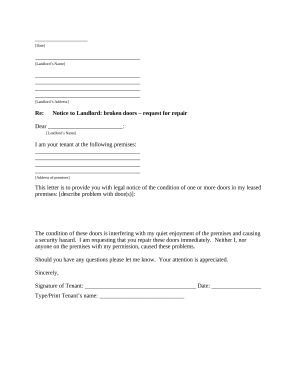
Document managing can overwhelm you when you can’t locate all of the forms you require. Fortunately, with DocHub's extensive form categories, you can find all you need and easily take care of it without switching between software. Get our Tenant-Landlord Communication Forms and start utilizing them.

How to use our Tenant-Landlord Communication Forms using these simple steps:

  1. Check Tenant-Landlord Communication Forms and choose the form you require.
  2. Review the template and then click Get Form.
  3. Wait for it to upload in our online editor.
  4. Adjust your document: include new information and images, and fillable fields or blackout certain parts if needed.
  5. Prepare your document, conserve alterations, and prepare it for sending.
  6. When all set, download your form or share it with your contributors.

Try out DocHub and browse our Tenant-Landlord Communication Forms category with ease. Get a free profile right now!


Video Guide on Tenant-Landlord Communication Forms management

video background

Commonly Asked Questions about Tenant-Landlord Communication Forms

Tenants have the right to privacy in their rented homes and can refuse entry to landlords who do not provide proper notice or have an illegitimate reason for entry. If this right is violated, tenants can take legal action to prevent continued violations and potentially seek damages.
New York state anti-harassment laws make it illegal for landlords to engage in any action that is intended to force tenants to leave their homes or otherwise give up their rights under law.
A landlords failure to make a repair or provide an important service may be a violation of the New York City Housing Maintenance Code or the Multiple Dwelling Law. In an HP action, a judge can order the landlord to correct the violations.
Under New York States Rent Regulation Laws, harassment is defined as conduct by a landlord that directly or indirectly interferes with, or is intended to interfere with, your privacy, comfort, and enjoyment of your dwelling.
Be honest and transparent with your tenants Communicate your rental property terms clearly and honestly from the start to establish effective communication with your tenants. Be mindful of your non-verbal cues when meeting with them avoid crossing your arms or displaying any offensive or aggressive body language.
If you have been living in your home for over a year, your landlord must give at least 60 days notice. If you have been living in your home for more than 2 years, your landlord must give at least 90 days notice. rent as a security deposit. When you move out, they must return the security deposit within 14 days.
Tenants have the right to withhold rent due to unremedied code violations in their unit. If a landlord fails to provide their tenant with a safe, livable, and sanitary dwelling, the tenant has the right to pay their rent into a separate bank account, rather than to the landlord -- this is called paying in escrow.