
Create your Tenant Agreement Amendment from scratch

Start Building Now
Title decoration

Here's how it works

01. Start with a blank Tenant Agreement Amendment
Open the blank document in the editor, set the document view, and add extra pages if applicable.
02. Add and configure fillable fields
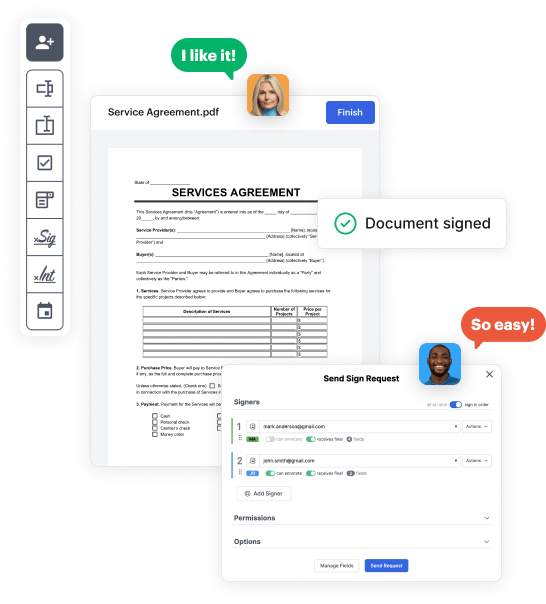
Use the top toolbar to insert fields like text and signature boxes, radio buttons, checkboxes, and more. Assign users to fields.
03. Distribute your form
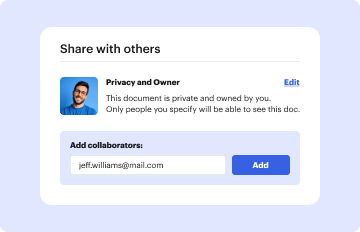
Share your Tenant Agreement Amendment in seconds via email or a link. You can also download it, export it, or print it out.

A brief tutorial on how to build a polished Tenant Agreement Amendment

Form edit decoration

Step 1: Log in to DocHub to begin creating your Tenant Agreement Amendment.

First, sign in to your DocHub account. If you don't have one, you can easily register for free.

Step 2: Head to the dashboard.

Once you’re in, go to your dashboard. This is your central hub for all document-related operations.

Step 3: Initiate new document creation.

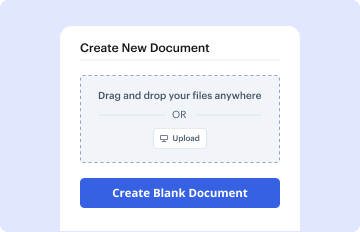
In your dashboard, click on New Document in the upper left corner. Pick Create Blank Document to craft the Tenant Agreement Amendment from the ground up.

Step 4: Incorporate template elements.

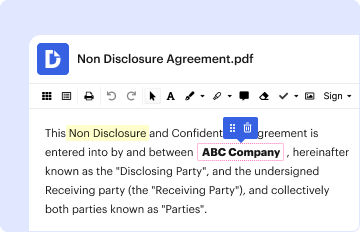
Place various items like text boxes, photos, signature fields, and other options to your template and assign these fields to intended individuals as needed.

Step 5: Fine-tune your template.

Personalize your form by inserting walkthroughs or any other necessary information leveraging the text tool.

Step 6: Review and refine the content of the form.

Meticulously examine your created Tenant Agreement Amendment for any inaccuracies or required adjustments. Utilize DocHub's editing tools to polish your template.

Step 7: Distribute or download the template.

After completing, save your work. You may opt to retain it within DocHub, transfer it to various storage platforms, or forward it via a link or email.


be ready to get more

Build your Tenant Agreement Amendment in minutes

Start creating now

Got questions?

We have answers to the most popular questions from our customers. If you can't find an answer to your question, please contact us.
Contact us
Can you change a contract after it is signed? Unfortunately, it can be more difficult to amend a contract once signed, but it is still possible. This is because once a contract is signed, its legally binding. Therefore, everyone involved in the contract must agree to any amendments you wish to make.
The amendment should be clear and concise. It should state the changes that are being made and the effective date of the changes. All parties should sign the amendment, ensuring that everyone has agreed that these changes have been made. You could use a template for your contract amendments.
How to create a contract amendment Pinpoint what you want to change or add. Look at your contract and write down the parts you need to change. Date and title the new amendment. Next, add the current date and the title and date of the original agreement to the document. Draft and describe the changes. Finalize the changes.
If you want to change part of the lease, discuss it with the landlord. If the landlord agrees, the two of you should decide how you want to word the change and then write it into the agreement. Both you and the landlord should then initial the change.
Key elements of a lease amendment form Identifying information. Reference to the original lease. Description of amendments. Effective date. Signatures. Notarization (if required).
be ready to get more

Build your Tenant Agreement Amendment in minutes

Start creating now

Related Q&A to Tenant Agreement Amendment

To propose amendments, two-thirds of both houses of Congress can vote to propose an amendment, or two-thirds of the state legislatures can ask Congress to call a national convention to propose amendments.
Steps to Add a Tenant to an Existing Lease Acquire a Written Request to Add a Tenant. Check the Units Occupancy Limit. Require a Completed Rental Application. Screen and Approve/Deny the New Tenant. Review the Details With Each Tenant.

Additional resources on building your forms