
Create your Summons and Complaint Form from scratch

Start Building Now
Title decoration

Here's how it works

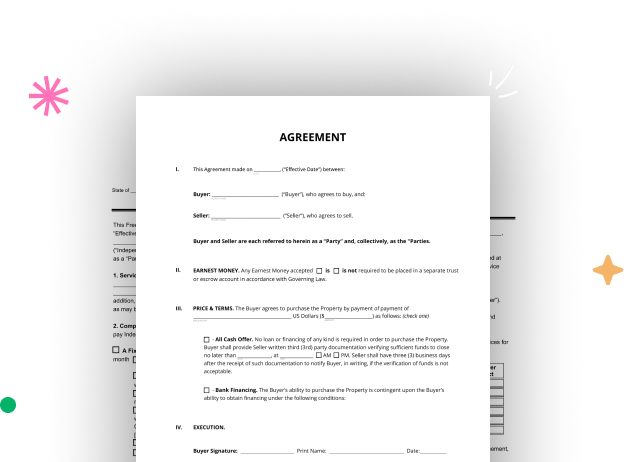
01. Start with a blank Summons and Complaint Form
Open the blank document in the editor, set the document view, and add extra pages if applicable.
02. Add and configure fillable fields
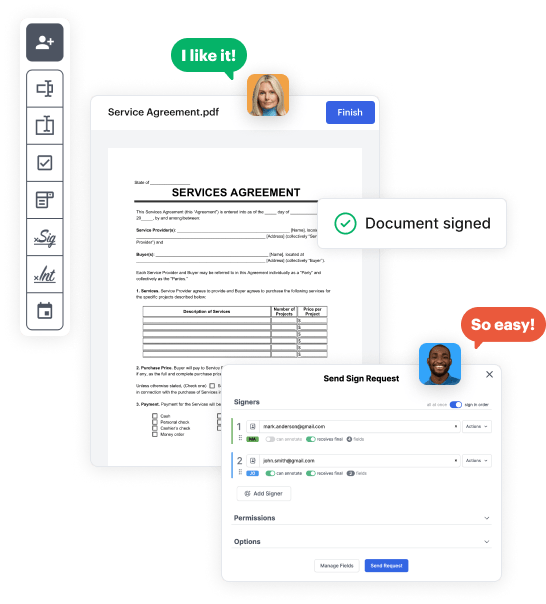
Use the top toolbar to insert fields like text and signature boxes, radio buttons, checkboxes, and more. Assign users to fields.
03. Distribute your form
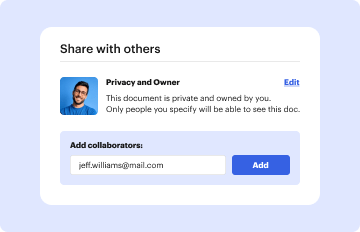
Share your Summons and Complaint Form in seconds via email or a link. You can also download it, export it, or print it out.

Create your Summons and Complaint Form in a matter of minutes

Form edit decoration

Step 1: Access DocHub to build your Summons and Complaint Form.

Begin signining into your DocHub account. Try out the pro DocHub functionality free for 30 days.

Step 2: Go to the dashboard.

Once signed in, head to the DocHub dashboard. This is where you'll create your forms and manage your document workflow.

Step 3: Design the Summons and Complaint Form.

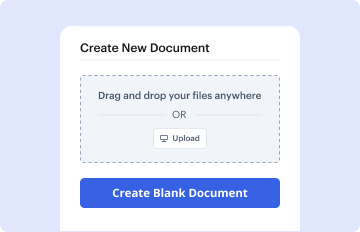
Click on New Document and choose Create Blank Document to be redirected to the form builder.

Step 4: Set up the form layout.

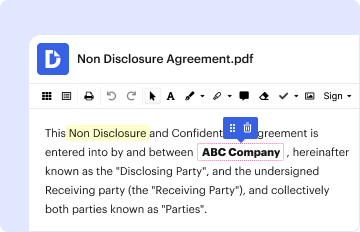
Use the DocHub tools to insert and arrange form fields like text areas, signature boxes, images, and others to your document.

Step 5: Insert text and titles.

Add needed text, such as questions or instructions, using the text field to assist the users in your document.

Step 6: Configure field settings.

Adjust the properties of each field, such as making them compulsory or arranging them according to the data you expect to collect. Assign recipients if applicable.

Step 7: Review and save.

After you’ve managed to design the Summons and Complaint Form, make a final review of your document. Then, save the form within DocHub, send it to your chosen location, or share it via a link or email.


be ready to get more

Build your Summons and Complaint Form in minutes

Start creating now

Got questions?

We have answers to the most popular questions from our customers. If you can't find an answer to your question, please contact us.
Contact us
How can the complaint be served? A person who is not a party to the case and is over the age of 18, can personally deliver or serve the summons and complaint on the defendant(s). The summons and complaint can be served by sending them by certified mail with restricted delivery and return receipt.
Fill out form MC 03 (Answer, Civil) on the website or get a paper copy from the court to fill out. Write in the court number, case number, the court address, the court telephone number, and the names, addresses, and telephone numbers of the plaintiff and the defendant exactly as they are on your court papers.
All Summons and Complaints must be personally served on each named defendant. After filing the Summons and Complaint, it is the plaintiffs responsibility to arrange for personal service, pay the service fees, and file the Proof of Service prior to or on the court date.
A copy of the summons and of the complaint shall be mailed (by first-class mail or aidocHub, postage prepaid) to the person to be served, together with two copies of the notice and acknowledgment provided for in subdivision (b) and a return envelope, postage prepaid, addressed to the sender.
The rules state that service can be done by delivering the summons within the state to a person of suitable age and discretion at the actual place of business, dwelling place or usual place of abode of the person to be served and by either mailing the summons to the person to be served at his or her last known
be ready to get more

Build your Summons and Complaint Form in minutes

Start creating now

Related Q&A to Summons and Complaint Form

Personally served with a complaint in Michigan Must serve and file an answer or take other action, as permitted, within 21 days of being served with notice.
File a Complaint Many civil complaints are filed through a district or circuit court. In cases involving a will, trust, or similar claims, you can file your complaint through a probate court. Once your complaint is submitted, the court issues a summons, and the defendant has up to 21 days to respond.
Your answer should include the court name, case name, case number, and your affirmative defenses. Print three copies of your answer. File one with the clerks office and mail (or serve) one to the plaintiff or plaintiffs attorney.

Additional resources on building your forms


