

Create your Statutory Legal Form from scratch

Start Building Now
Title decoration

Here's how it works

01. Start with a blank Statutory Legal Form
Open the blank document in the editor, set the document view, and add extra pages if applicable.
02. Add and configure fillable fields
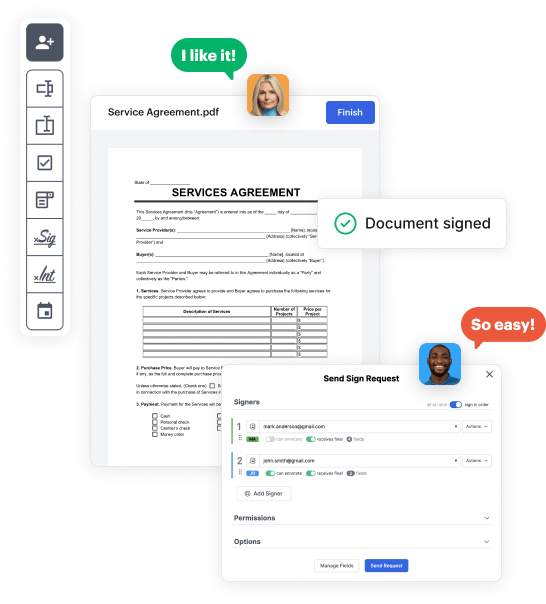
Use the top toolbar to insert fields like text and signature boxes, radio buttons, checkboxes, and more. Assign users to fields.
03. Distribute your form
Share your Statutory Legal Form in seconds via email or a link. You can also download it, export it, or print it out.

A simple tutorial on how to set up a professional-looking Statutory Legal Form

Form edit decoration

Step 1: Sign in to DocHub to begin creating your Statutory Legal Form.

First, sign in to your DocHub account. If you don't have one, you can easily sign up for free.

Step 2: Head to the dashboard.

Once logged in, head to your dashboard. This is your primary hub for all document-related activities.

Step 3: Kick off new document creation.

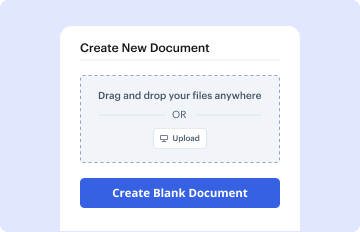
In your dashboard, select New Document in the upper left corner. Select Create Blank Document to design the Statutory Legal Form from a blank slate.

Step 4: Incorporate template elements.

Place numerous fields like text boxes, images, signature fields, and other options to your template and designate these fields to intended recipients as needed.

Step 5: Fine-tune your form.

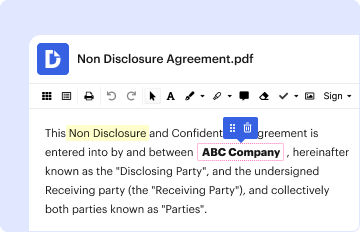
Customize your template by inserting walkthroughs or any other crucial details leveraging the text option.

Step 6: Review and refine the content of the document.

Carefully review your created Statutory Legal Form for any discrepancies or essential adjustments. Take advantage of DocHub's editing tools to perfect your form.

Step 7: Distribute or export the form.

After finalizing, save your file. You may choose to save it within DocHub, transfer it to various storage services, or forward it via a link or email.


be ready to get more

Build your Statutory Legal Form in minutes

Start creating now

Got questions?

We have answers to the most popular questions from our customers. If you can't find an answer to your question, please contact us.
Contact us
A general durable power of attorney typically is the best option. It does take effect immediately.
What four decisions cannot be made by a legal power of attorney? A power of attorney cannot change or invalidate a will, act outside of the principals best interest, violate the terms of nominating documents, or make decisions on behalf of the principal after their death.
How much does a Power of Attorney cost in NY? The cost of finding and hiring a lawyer to create a Power of Attorney could be between $200 and $500.
Disadvantages of a Power of Attorney Potential for Misuse: The most docHub risk associated with a POA is the potential for misuse by the appointed agent. Lack of Oversight: A POA grants considerable control to the agent without requiring oversight or approval from third parties.
If you use the POA to commit fraud, theft, or other illegal acts, you can face both civil and criminal liability. Examples could include: Forging the principals signature on checks or documents. Borrowing money from the principal without their knowledge or permission.
be ready to get more

Build your Statutory Legal Form in minutes

Start creating now

Related Q&A to Statutory Legal Form

It can give another person (or persons) the ability to act on your behalf with regard to all financial and medical matters. They are typically able to engage in such actions, without your direct oversight, because the document allows for that.
(a) CAUTION TO THE PRINCIPAL: Your Power of Attorney is an important document. As the. principal, you give the person whom you choose (your agent) authority to spend your money and. sell or dispose of your property during your lifetime without telling you.
A statutory form is a form created by a government that can be found in the governments statutes. They usually are designed to serve as a model form or a free form for the public to use. Some common types of statutory forms are wills, health care directives, and powers of attorney.

Additional resources on building your forms